Heavy machinery constitutes the backbone of industrial progress, facilitating essential tasks in construction, mining, and agriculture. While observers often focus on the sheer scale and brute force of excavators, bulldozers, and loaders, the true engineering marvel lies within the machine’s internal architecture. These vehicles are complex ecosystems where mechanical, hydraulic, and electronic systems must interact seamlessly to perform heavy-duty tasks. The efficiency of a job site depends not just on the power of individual parts, but also on how effectively these heavy equipment components communicate and cooperate under extreme stress.
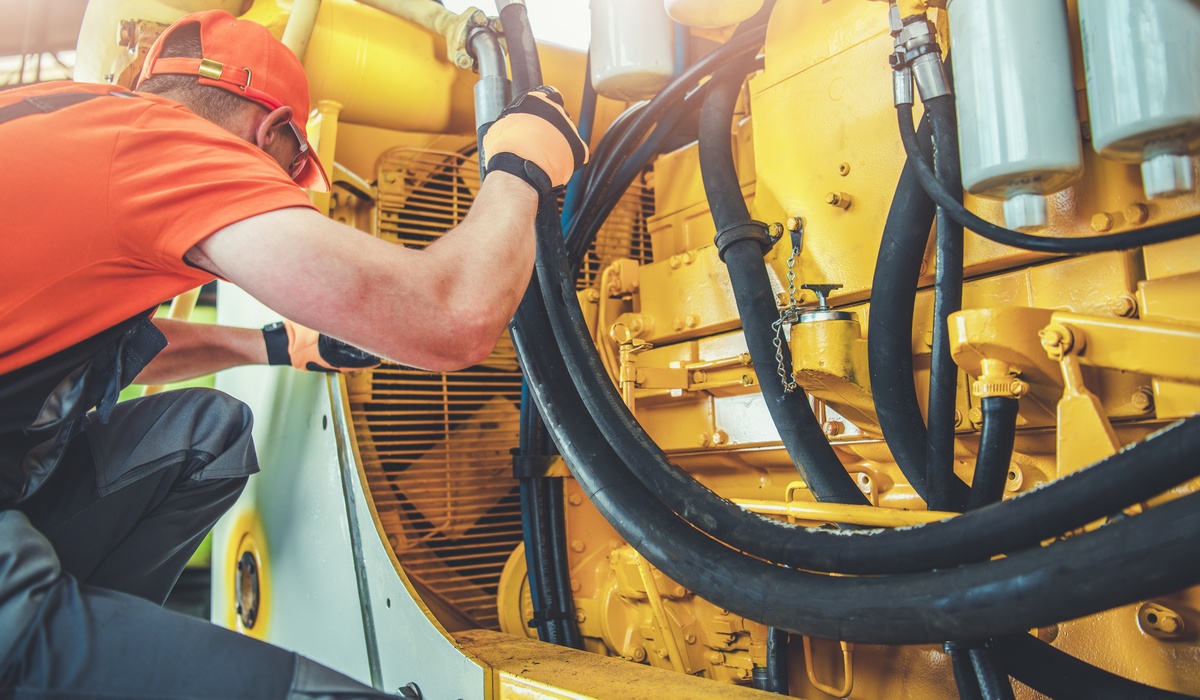
To start, the engine serves as the primary power source, generating the raw energy needed to drive the entire system. However, raw power is useless without direction. The transmission is responsible for transferring this energy to the wheels or tracks, dictating speed and torque to match the terrain. Simultaneously, the hydraulic system functions as the machine’s muscle, pressurizing fluid to extend cylinders and drive motors that manipulate attachments. Supporting these dynamic forces is the chassis and frame, a rigid skeleton designed to absorb vibration and heavy loads. In machines such as excavators and cranes, the swing drive is a critical yet often overlooked component that powers the rotation of the upper structure. There’s a lot more to know about excavator swing drives and how they work, but each of the components here is needed for the general operation of these machines.
The successful use of heavy equipment depends on these disparate parts working together in total harmony. Power flow management is the critical link; the system must intelligently divide the engine’s output between the drivetrain and the hydraulic pumps to ensure neither system is starved of energy during simultaneous operations. Modern heavy equipment relies on sophisticated electronic control units to act as a central nervous system, synchronizing the engine speed with hydraulic demand to prevent stalling and ensure smooth operation. Furthermore, effective load management ensures that the stress from a full bucket is evenly distributed through the frame and suspension, maintaining the center of gravity and preventing structural failure during lifting or digging cycles.
This integration also allows for remarkable adaptability across different applications. Through the use of quick couplers and auxiliary hydraulic circuits, a single machine can switch between buckets, hammers, and grapples, transitioning from excavation to demolition in minutes. Custom configurations allow operators to tailor the undercarriage—using tracks for stability on soft soil or wheels for mobility on concrete. Finally, sensors continuously monitor workload requirements, making real-time adjustments to hydraulic pressure and engine RPMs. This responsive technology ensures that the machine delivers peak power when resistance is high and conserves fuel during lighter tasks, maximizing the lifespan of every component involved.
About The Author