Have We Stopped Dreaming Because We Assume Things Would Last?
- Nick Kossovan
- Op-Ed
- Trending News
- January 25, 2026
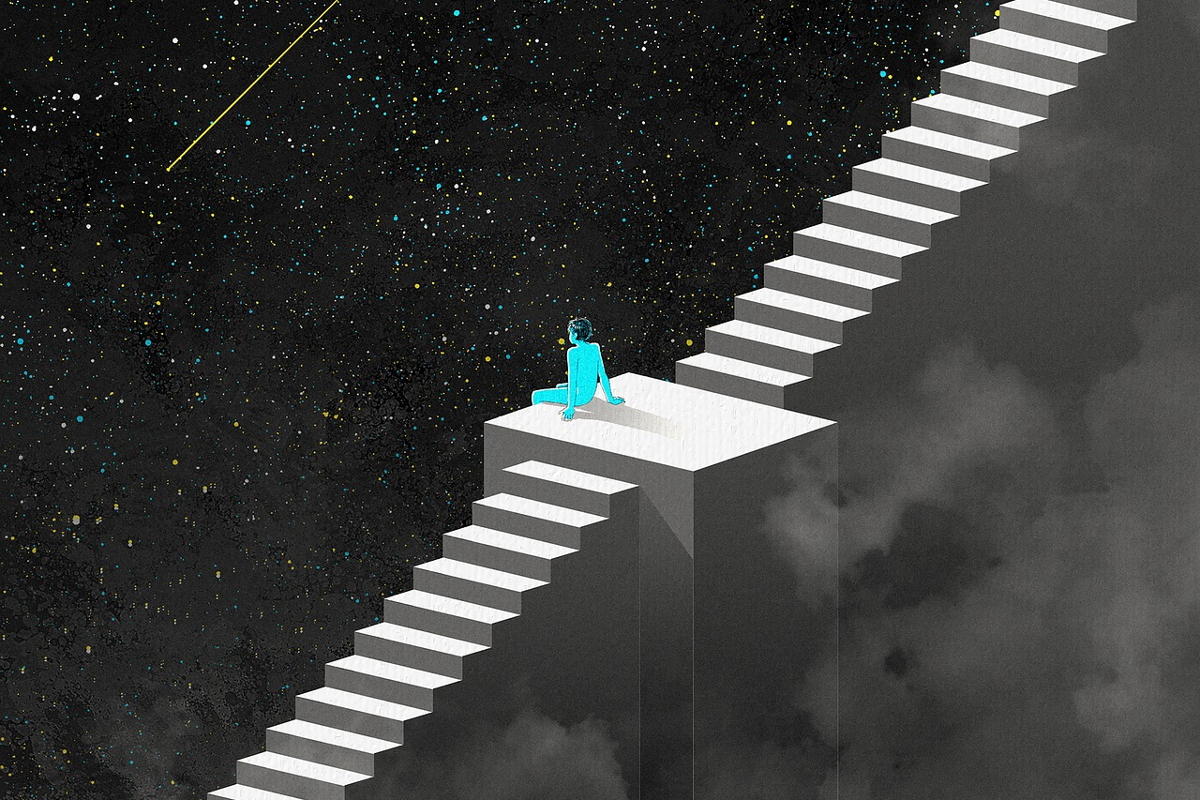
Have you noticed that nobody talks about the future anymore? What’s there to say when hyper-technological advancements are decimating professions and industries with no rebound in sight (Full disclosure: I view AI as a human replacement tool—employers requiring fewer employees—and not a productivity enhancement tool.), shifts in geopolitical relationships that were thought to be solid now feel like exposed raw nerves. Moreover, under the banner of “social progress,” many of yesterday’s acceptable behaviours are today’s offensive behaviours. Much of the angst I see and hear around me stems from not knowing what to mentally pack because they don’t know what lies ahead.
A semblance of stability no longer exists. Government, employers, and social values are all in fast hands today, with no attachment to tomorrow, and everyone is looking for exits. Everything feels short-term. As employees are increasingly viewed as liabilities, careers have become contracts with an escape plan, which, given the rise in entitlements that distract from profits, has merit. Marriages used to be framed as “forever.” Now they’re framed as “pending the possibility of a better (read: sexier) option coming along.” For those who bought into marketing propaganda that groomed them into consumers by blurring the lines between needs and wants, thus having them spend their money trying to look rich, the thought of retirement feels like historical fiction, set in a time when company pensions existed and living within one’s means was not something to be ashamed of.
When someone talks about their future plans, you likely think they’re either naïve, believing they’re somehow insulated from the consequences I mentioned and that they’ll be humbled. Consider how the world is today compared with five years ago; what didn’t exist then but now dominates our lives.
- ChatGPT, released on November 30, 2022, and now our digital overlord, is better at writing emails than you and I are.
- Relationships with longstanding American allies are being irreparably damaged by Trump, causing geopolitical fallout that is impacting consumer prices, destabilizing labour markets, and adding fuel to existing divides.
- Social media platforms have become TikTokified. Nowadays, fame is achieved through being relevant on social media rather than by doing something well.
- Digital “Stay-at-Home” culture—leveraging digital technology to enable conducting work, socializing, consuming entertainment, and managing your daily life from home rather than in public or traditional offices—has exacerbated loneliness and a decline in social skills.
- The phrase “Peanut gallery” and the word “tribe” have become problematic for some. While words themselves are inherently neutral, rapid pejoration—the act, under the guise of social awareness and a desire for more inclusive language, of declaring an inoffensive word offensive—has made communication more difficult and anxiety-provoking, as people fear judgment and social disapproval.
In the last five years, technological, cultural, and social evolution have been compressed into a timeframe shorter than most university degree programmes. Today’s innovations become tomorrow’s museum pieces faster than we can process them, making long-term planning akin to building a sandcastle during high tide.
All this excessive, supposedly “forward motion” and “progress” raises the question of who is benefiting from constantly shifting paradigms and moving goalposts, and keeps us operating in survival increments, which we call “being realistic.”
- the next month
- the next phase
- the next paycheck
- the next crisis
- the next political freakout
- the next irrelevancy
- the next “latest and greatest”
- the next emotional trigger
We expect the rug to be ripped from under us at any moment, so we stop dreaming about what the future might hold and concentrate on making it to Friday still employed. We stopped assuming that those who benefit from keeping us in constant flux will slow things down to give us time to adapt and, more importantly, find our place in the new world order that is rapidly emerging. Right now, “the future” can best be described as steep cliffs, which we find ourselves dropping from without prior notice.
- Industries, professions and companies are disappearing overnight.
- Rules are being changed mid-game.
- Education, credentials, skills and experience lose their value faster than fruit left out in the sun.
- Institutions of all kinds have become comfortable contradicting themselves.
- Effort no longer correlates with outcome.
- Promises made in good faith are being reneged on due to sudden changes in conditions.
We no longer say, “In five years I’d like to be doing [whatever].” We say, “Right now, I’m doing this.” We know that plans, especially artistic ones, can evaporate with the next “update.” Talking about your future feels like tempting fate, like painting the walls while the roof is caving in. Long-term plans—dreaming, for those who have a romantic view of life—are iffy; having a clear vision and a plan is viewed as a flaw—”Good luck with that!” We’ve lost much of our optimism because of our fears of embarrassment.
Additionally, when it comes to long-term planning, one needs to be able to predict cause and effect, which we can no longer do. Envisioning and mapping out a five-year “hope for the future” plan seems pointless when the last few years felt like a slow software update nobody asked for. Furthermore, bringing your dreams to life requires spare mental energy. Most of us are using 90% of our mental RAM and are constantly receiving push notifications that don’t include a decline button.
Not long ago, we built our lives assuming:
- consistency
- progression
- delayed reward
Now we try to build a life, assuming:
- interruption
- volatility
- sudden resets
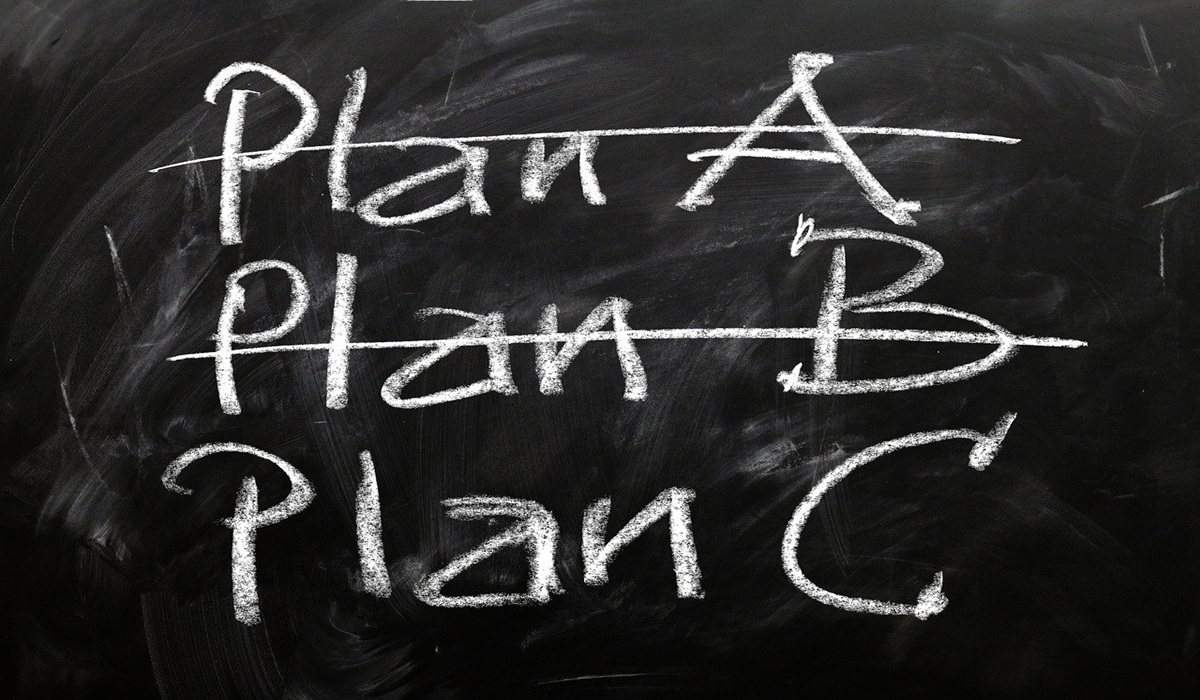
Timelines no longer exist. Prescriptions, such as performing actions A + B + C = D for “guaranteed outcomes,” are a thing of the past. Most disheartening is that it no longer makes sense to write love letters to your future self when your future isn’t texting you back. Today, dreaming about your future, let alone preparing for it, feels like a futile exercise. However, we haven’t stopped making plans or dreaming. We’ve stopped assuming things will last; therefore, we’ve shifted our long-term planning and dreams into short-term, adaptable survival strategies.
The assumption of stability—stable careers, permanent relationships, linear progress—has all but disappeared, leading to a more realistic, albeit anxious, acknowledgement of life’s fleeting nature. We stopped asking “What do I love?” and started asking “What pays?” (for now). We stopped chasing purpose and dreams and started chasing paychecks and algorithms. We’re simply trying to get through each moment until the next push notification arrives.
About The Author