Canada’s Moment of Truth: Will Ottawa Finally Unleash the Nation’s True Energy Potential?
- Ingrid Jones
- Trending News
- December 8, 2025
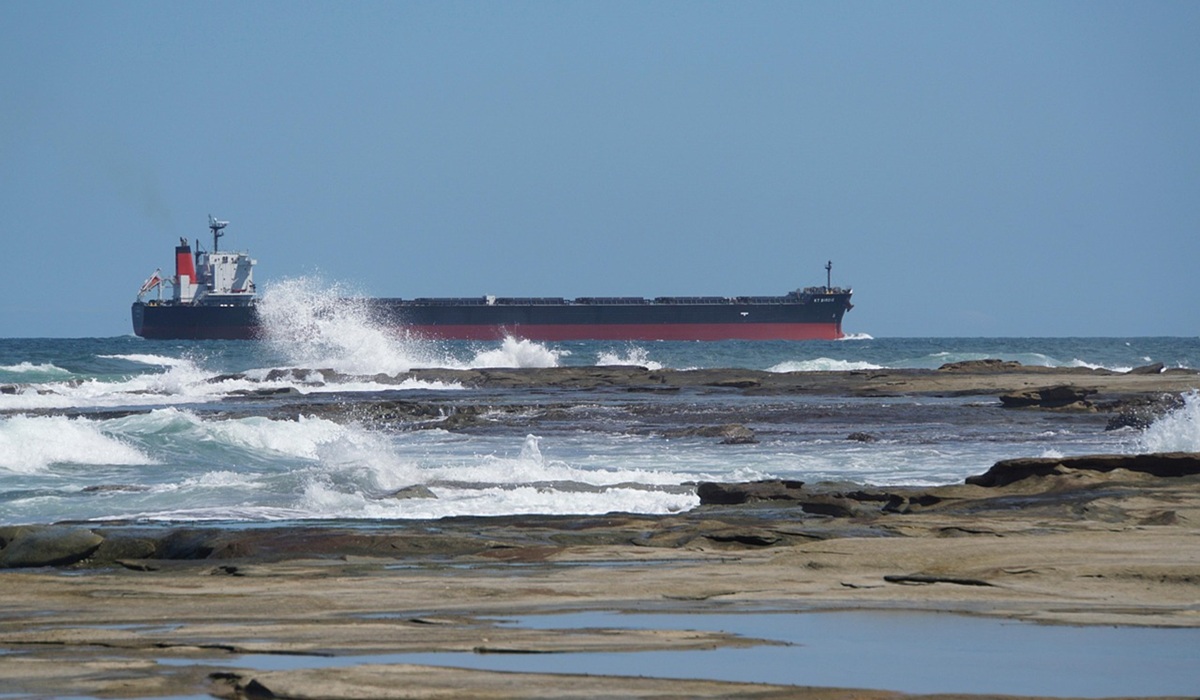
Image Credit, Kerry Dunlop
Canada is standing at one of those rare crossroads where the choices made today will define not just our economic trajectory, but the tone of our national confidence for decades. Alberta’s premier has been blunt in a way that cuts through the noise: a Liberal government can unlock Canada’s energy potential — but only if it matches its encouraging language with decisive, unapologetic action. Mark Carney speaks often about ambition, competitiveness, and national renewal. Those are the right words. But Canada is long past the point where rhetoric can replace resolve.
For too long, a country blessed with staggering natural resources has behaved like a nation uncertain of its own worth. The Premier’s reminder that Canada is a “have” — not a “have-not” — strikes at a painful truth. Our economic underperformance hasn’t stemmed from scarcity. It has stemmed from hesitation, delay, self-inflicted barriers, and political gridlock that repeatedly undermine big, nation-building projects.
Consider the estimate that Canada’s economy would be $55 billion larger today had Northern Gateway, Energy East, and Keystone XL been built. That added economic strength would have generated roughly 40% of that value in government revenues — enough to meet NATO spending targets, modernize schools and hospitals, and rebuild infrastructure without perpetual deficit cycles. It is difficult to ignore the cost of what could have been.
And the Premier is right to broaden the conversation beyond pipelines. Prosperity depends on a full network: power lines that connect provinces instead of dividing them, ports that expand our export reach, rail that links the Prairies to tidewater, and roads built to move goods as quickly as modern markets demand. These nation-shaping systems are not luxuries; they are foundations of sovereignty, competitiveness, and self-reliance.
Yet Canada’s internal tensions have stalled what should be a unified project. Alberta and Ottawa regularly spar over jurisdiction and priorities. British Columbia and Ottawa have danced around environmental, Indigenous, and regulatory hurdles in ways that leave investors bewildered. Quebec has remained reluctant to embrace new LNG or oil projects despite global demand and despite the chance to help stabilize Europe’s energy security. Meanwhile, Atlantic provinces signal interest, but cannot proceed alone.
And on the horizon sits Manitoba’s Port of Churchill, where billions in federal investments could finally transform it into a strategic northern export hub. If ever there were a moment to reimagine Canada’s energy and transportation future, this is it. The timing aligns: global markets are shifting, Western democracies are diversifying away from unstable suppliers, and Canada is being asked — openly — to step into the role it should have owned all along.
But none of this is possible if the national discourse remains paralyzed by false choices. For years, conversations about resource development have been dominated by dystopian fear, doomsday messaging, and ideological absolutes. It’s as if acknowledging Canada’s energy strength is somehow equivalent to rejecting climate responsibility. That is simply not true. Canadian companies are among the most transparent, innovative, and environmentally accountable in the world. Our regulatory standards exceed global norms. Our emissions tracking is world-leading. To suggest otherwise — to vilify Canadian industry while importing energy from countries with weaker environmental and human-rights records — is not activism. It is self-sabotage.
The rhetoric needs to change because it is costing Canadians: lost revenue, lost opportunities, lost influence, and a shrinking role on the world stage. Shutting down misleading narratives is not about silencing environmental concerns — it is about grounding the conversation in honesty. We can reduce emissions while growing our economy. We can be a global energy supplier while leading climate innovation. This is not an either-or future.
If Canada chooses courage, investment, and interprovincial cooperation, the next decade could reshape the country in ways that strengthen every region. Alberta could lead a renaissance in responsibly produced energy. Manitoba could rise as a northern trade gateway. British Columbia could become a Pacific powerhouse. Atlantic Canada could anchor LNG exports to Europe. Quebec could leverage its hydro wealth into a stronger national grid. And Ontario could expand advanced manufacturing that depends on reliable, affordable energy.
The pieces are there. The opportunity is real. The window is open — now.
In 10 years, Canada could look dramatically different: more united, more capable, and more confident in its place in the world. The only question is whether the federal government is prepared to turn intention into movement, and whether the provinces can recognize that shared prosperity requires shared purpose.
This is a moment to think boldly, to act decisively, and to finally behave like the resource powerhouse Canada is. Not with arrogance. Not with division. But with clarity about what the country can achieve when it stops holding itself back.
#canadianprosperity #canadianfacts #canadian #canadianjobs #ohcanada
About The Author