By the time the calendar flips its final page, 2025 will be remembered less for a single defining event and more for its constant state of motion. It was a year that rarely stood still. Leadership changed hands in some places and hardened in others. Longstanding alliances were tested. New voices emerged, some carrying promise, others carrying warnings. Across continents, people adjusted to a world that no longer pretended to be stable, only adaptive.
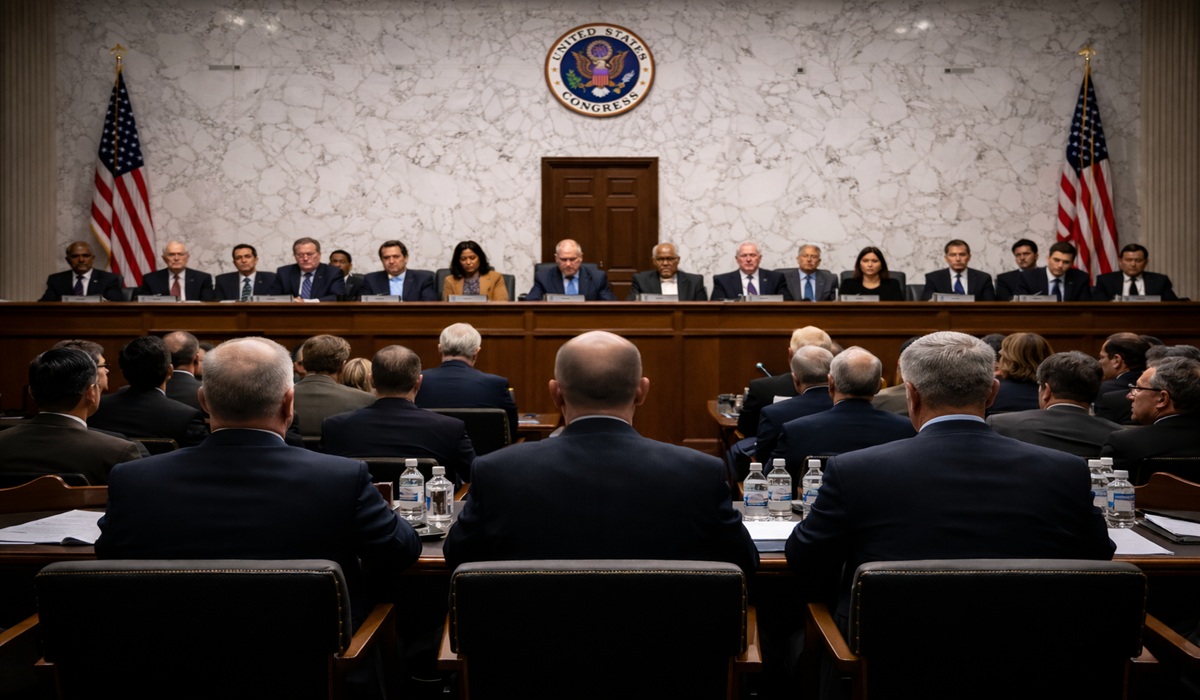
In many countries, elections reshaped political landscapes, not always cleanly and not always with clarity. Presidents and prime ministers entered office promising renewal while inheriting systems that resist it. Some arrived on waves of optimism, only to discover how narrow the margins for real change had become. Others leaned into consolidation of power, selling certainty in exchange for obedience. The contrast was striking: reformers speaking the language of unity while governing fractured societies, and strongmen claiming to defend national identity while presiding over deeper division.
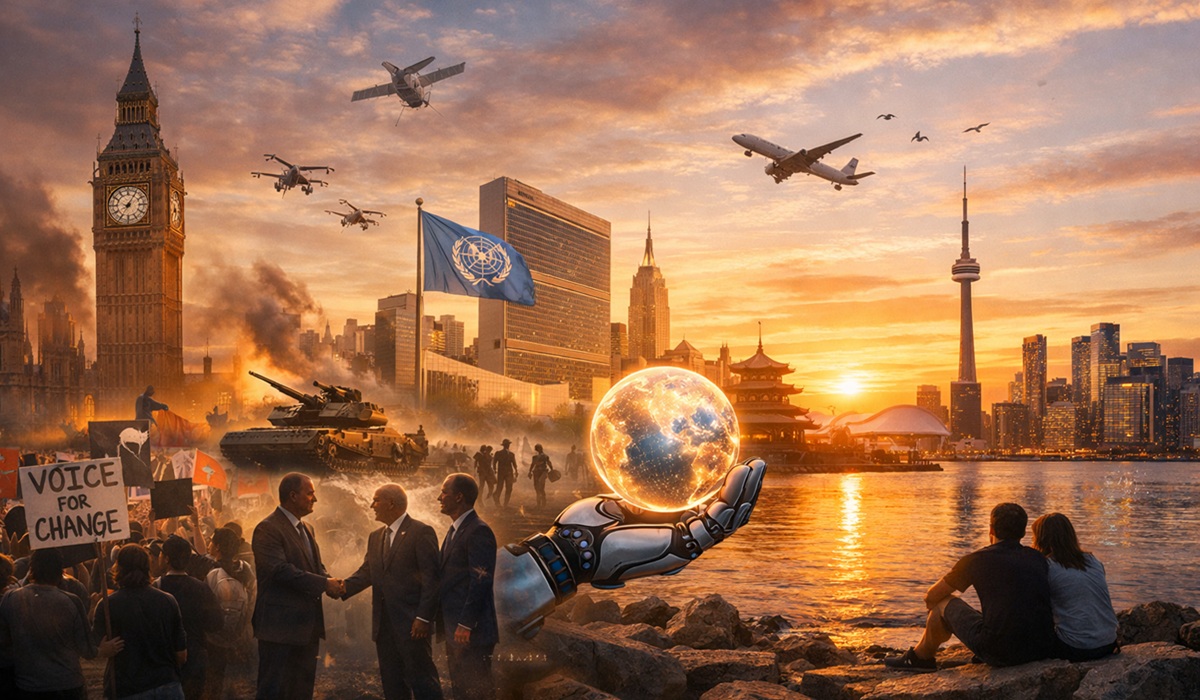
2025 also exposed how leadership is no longer confined to formal titles. Activists, journalists, technologists, and everyday citizens filled vacuums left by institutions that struggled to keep pace. Protest movements flared in cities across the globe, driven by cost-of-living pressures, housing shortages, corruption, and a growing sense that decisions were being made far away from the people most affected by them. Some demonstrations led to dialogue and incremental change. Others were met with force, censorship, or silence. The pattern repeated often enough to feel familiar, and yet each time it unfolded, it reminded the world that stability is never guaranteed.
Peace, too, became a more complicated word in 2025. In some regions, ceasefires were announced with great fanfare, only to unravel quietly weeks later. Elsewhere, negotiations continued under the banner of diplomacy while conditions on the ground deteriorated. There were moments of genuine progress, fragile but real, alongside performances of peace that existed mostly for international audiences. The difference between the two was felt most acutely by civilians, who learned again that peace declared is not the same as peace lived.
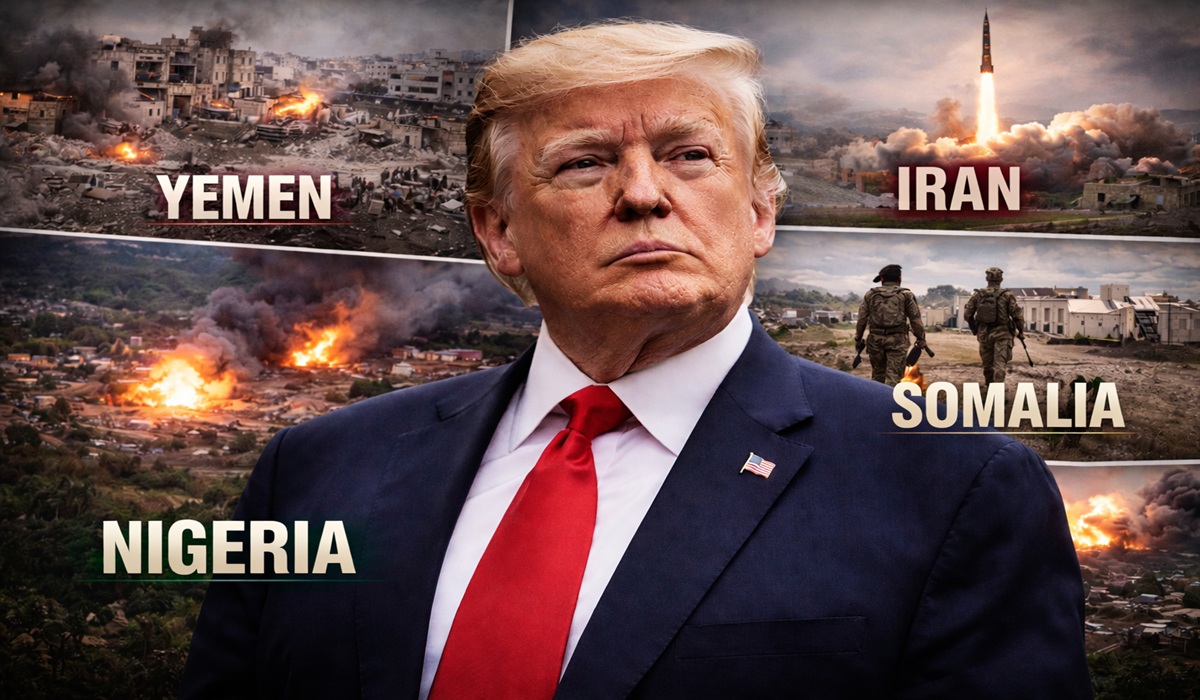
War remained a constant shadow. Active conflicts dragged on with no clear end, while other regions hovered in states of tension that felt uncomfortably close to ignition. Military buildups, aggressive rhetoric, and strategic posturing became background noise in global news cycles. Yet even within these spaces, there were efforts, often underreported, by communities and mediators working quietly to prevent escalation. The world in 2025 existed in this uneasy balance: aware of how quickly things could spiral, yet still resisting the idea that conflict was inevitable.
Technology continued to accelerate everything. Artificial intelligence reshaped workplaces, education, media, and creativity at a pace that left regulators struggling to respond. For some, it opened doors to opportunity, efficiency, and connection. For others, it deepened fears about job displacement, surveillance, misinformation, and loss of control. The same tools that empowered activists also amplified propaganda. The same platforms that connected families across borders also spread division at unprecedented speed. 2025 made it clear that technology itself is neither saviour nor villain; it is a mirror reflecting the values of those who wield it.
Trust in institutions took another hit this year. Governments promised transparency while withholding information. Corporations spoke about responsibility while prioritizing profit. International bodies issued statements that sounded reassuring but rarely decisive. Many people began asking harder questions: Do these institutions still serve the public good, or are they simply maintaining themselves? Can systems built for another era adapt to the realities of this one, or are they structurally incapable of change?
And yet, despite all of this, 2025 was not a year devoid of light. It was a year of resilience, often quiet and uncelebrated. Communities organized food drives, mutual aid networks, and local solutions where larger systems failed. Artists, writers, and musicians continued to create work that made people feel less alone. Scientists and researchers pushed forward on climate adaptation, medical breakthroughs, and sustainable technologies, even when political will lagged behind. Ordinary acts of kindness persisted, stubbornly, in the spaces between headlines.
As the world prepares to step into 2026, the question is not whether hope still exists, but where we choose to place it. Blind faith in institutions that repeatedly disappoint is no longer enough. Skepticism has become healthy, even necessary. But cynicism is not the same as wisdom, and withdrawal is not the same as awareness. The challenge ahead is learning how to hold doubt and hope at the same time, without letting either cancel the other out.
What should we be looking for as a new year begins? Less spectacle and more substance. Leaders willing to speak honestly about limitations, not just ambitions. Policies measured by outcomes, not announcements. Technology guided by ethics rather than hype. Peace efforts grounded in lived realities, not press releases. Progress that may be slower than promised, but more durable than before.
What should we expect? Continued uncertainty. More disruption. More moments that test patience and resolve. But also more chances to recalibrate, to rethink what success and stability really mean in a world that refuses to be simple.
And what should we hope for? That people do not confuse exhaustion with apathy. That engagement evolves rather than disappears. That the next generation inherits not just broken systems, but the tools and courage to rebuild them differently.
Ending 2025 in Canada brings these reflections closer to home. This country, like many others, wrestled this year with questions of affordability, identity, reconciliation, and trust. It saw debates over leadership, governance, and national direction that mirrored global patterns. It also saw communities step up where policy stalled, and conversations shift from abstract ideals to practical realities. Canada enters 2026 neither immune to the world’s fractures nor defined solely by them.
One thing remains certain. For all the bad, horrific, and terrible things witnessed this year, they do not outweigh what remains good. They do not erase beauty, creativity, compassion, or the simple human instinct to keep moving forward. Darkness makes noise. Progress often works quietly. And when measured honestly, there is still far more worth protecting, improving, and believing in than there is to fear.
That is how 2025 ends. Not with denial. Not with despair. But with clarity, caution, and a grounded optimism that understands the world as it is, while still insisting it can be better.
About The Author