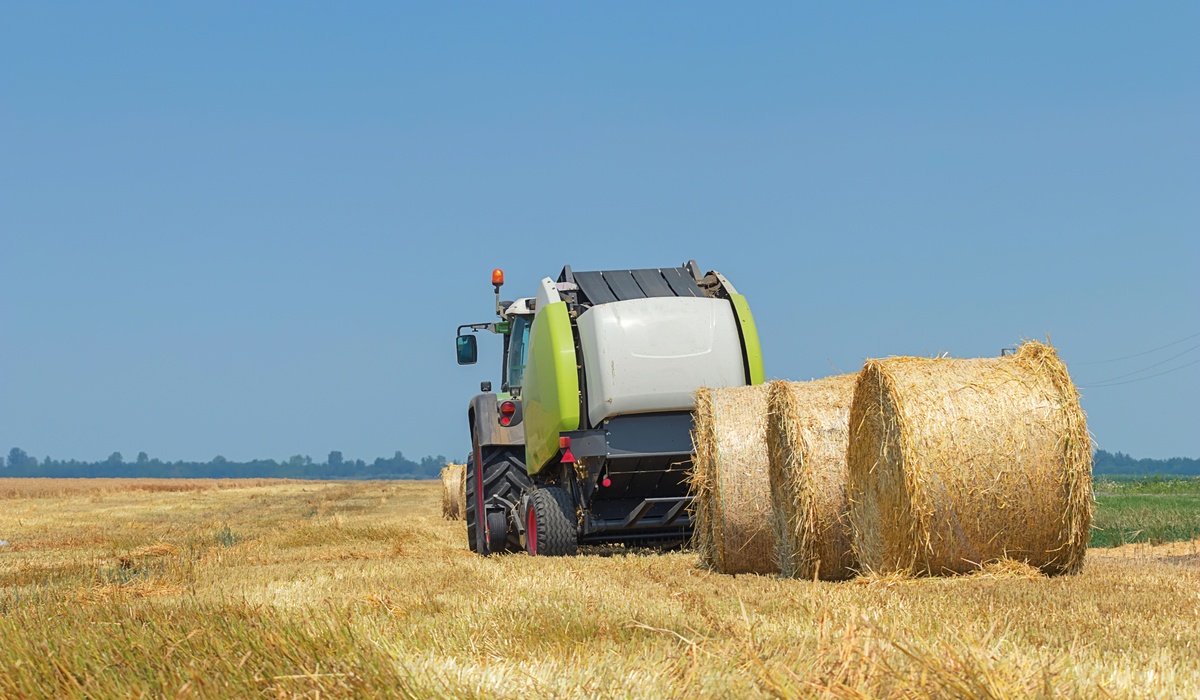
A clean, well-maintained baler is far more than just a piece of tidy equipment; it is a critical component in preventing costly breakdowns, mitigating serious fire hazards, and producing high-quality hay bales. Farmers cannot overlook the importance of properly cleaning. Keep reading to learn about the best practices for cleaning and maintaining your hay baler so it performs at its absolute best for many harvests to come.
One of the most compelling reasons for regular baler cleaning is the reduction of fire risk. Hay is highly flammable, and the combination of dry crop residue, friction from moving parts, and heat from the engine or bearings creates a perfect storm for a potential fire. By keeping the baler free of this combustible material, you drastically lower the chances of a fire starting and spreading. The simple act of cleaning is also one of the best ways to optimize the performance of your hay baler.
The process of thoroughly cleaning a hay baler begins with addressing the loose debris that collects during use. An air compressor is an invaluable tool for this initial step, allowing you to blow off the dry dust and plant matter that blankets the machine’s exterior and settles into its various nooks and crannies. It is important to pay close attention to areas where buildup is most common, such as around bearings, belts, and chains. These components generate heat and are susceptible to damage when insulated by a layer of debris.
For more stubborn grime or greasy buildup, a pressure washer is highly effective. However, exercise caution when using water under high pressure. You should avoid spraying directly at sensitive electrical components, bearings, and seals to prevent water intrusion that could cause rust and electrical shorts. After washing, allow the baler to dry completely before storing or using it again.
Beyond removing surface dirt, best practices for cleaning your hay baler include inspecting and clearing the baler’s internal mechanisms. The bale chamber and knotter system are particularly prone to accumulating packed hay and twine residue. This buildup can significantly affect the machine’s performance by compromising bale formation and causing tying failures. Carefully scraping away this material allows the components to move freely and effectively.
Cleaning is also an excellent opportunity to inspect for worn or damaged parts that may need replacement. A clean machine makes it much easier to spot potential problems —such as worn belts, loose chains, or hydraulic leaks —before they escalate into major issues.
Ultimately, the effort you invest in cleaning a hay baler directly translates to better operational outcomes. A clean baler operates more efficiently, producing denser, more uniform bales that are easier to handle, transport, and store. By incorporating a consistent cleaning regimen into your maintenance schedule—ideally after each day of use—you extend the life of your equipment, ensure its reliability during the critical baling season, and uphold a higher standard of farm safety.
About The Author