Rental Construction Now Outpaces Condominium Building Across Large Canadian Housing Markets
- TDS News
- Real Estate
- November 29, 2026
By Editorial Board
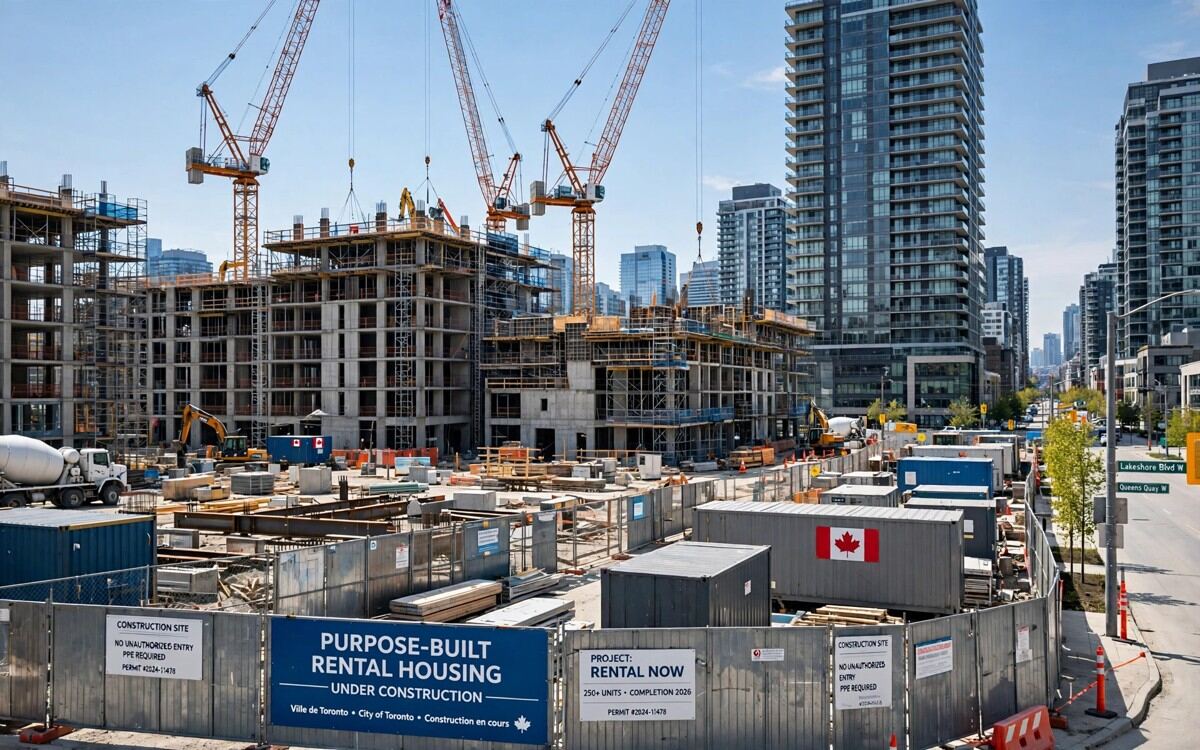
Rental housing construction has moved ahead of condominium construction across the largest housing markets in Canada, according to figures released this week by Canada Mortgage and Housing Corporation. The corporation reported that purpose built rental units under construction have exceeded condominium units since late 2025. By September 2026 its series showed 132,705 rental units under construction compared with 97,827 condominiums.
The corporation gave more detail in its quarterly results released on November 27, 2026. It reported that it provided mortgage loan insurance for 210,105 rental units during the first nine months of 2026. That total included 84,372 new construction units, and the corporation said the overall rental figure was 10.2 percent more than during the same period in 2025. It also insured 48,049 transactional homeowner units, compared with 47,774 a year earlier. The arrears rate for mortgages insured by the corporation was 0.34 percent at September 30, up from 0.32 percent at the end of 2025 but still below historical norms, according to the release.
The construction picture sits alongside other housing activity reported across the country this month. In Toronto, the city announced that 19 projects across 12 wards were selected through the second phase of its Purpose Built Rental Housing Incentives stream. The proposals represent 9,667 rental homes, including 2,059 affordable rent controlled homes. The city said the projects must advance to a construction start within 12 months to maintain eligibility, and it still needs to finalize its funding agreement with the province before project approvals can proceed. The announcement shows a large pipeline of rental homes at the selection stage in the country largest city.
Toronto also marked a completed housing milestone this week in Rexdale. The city, the federal government and Youth Without Shelter opened 51 permanent supportive homes at 9 Wardlaw Crescent. Each home includes a private bathroom and a kitchenette, and each will be offered on a basis where rent is capped at 30 percent of income or at the applicable shelter allowance for people receiving social assistance. Toronto provided more than 10 million dollars in capital funding and incentives for the project, while the federal government contributed 22 million dollars through the Rapid Housing Initiative. The opening adds completed homes with onsite supports for residents in the Rexdale community.
Smaller forms of housing are also adding homes in nearby communities. Mississauga reported that more than 1 million dollars remains available through its Gentle Density Incentive Program for legal additional residential units. The program covers basement apartments, garage conversions, garden suites, triplexes and fourplexes. The city said it has issued more than 839,000 dollars in incentives, supporting 810 homeowner rebates and helping create 853 units. In most cases one or two new units receive a building permit fee rebate after construction and inspections are complete, and fourplex projects may qualify for additional incentives under the program rules.
National resale figures provide further context for the construction shift. The Canadian Real Estate Association reported that national home sales edged up 0.3 percent from September to October, while new listings increased 0.8 percent. Its MLS Home Price Index rose 0.1 percent from the previous month. The association reported five months of inventory and a national average sale price of 678,584 dollars for October. Together with the construction figures from Canada Mortgage and Housing Corporation, the releases show a market where rental building now leads current construction, insured financing for rental homes has grown over the past year, and cities continue to advance both large rental projects and small additional homes in established neighbourhoods.
About The Author