Industrial facilities typically have safety procedures for their most recognizable risks, particularly those involving heavy machinery, hazardous materials, and moving equipment. However, routine operations can introduce less obvious dangers that employees encounter during ordinary shifts. A workplace may appear organized and compliant while certain conditions continue exposing workers to preventable injuries.
Identifying hidden safety hazards in industrial facilities requires looking beyond the equipment that immediately attracts attention. Everyday activities and familiar shortcuts can create risks that standard inspections may overlook. Recognizing where these hazards develop gives facility managers and safety personnel a better opportunity to address them before someone gets hurt.
Poorly Defined Pedestrian and Equipment Routes
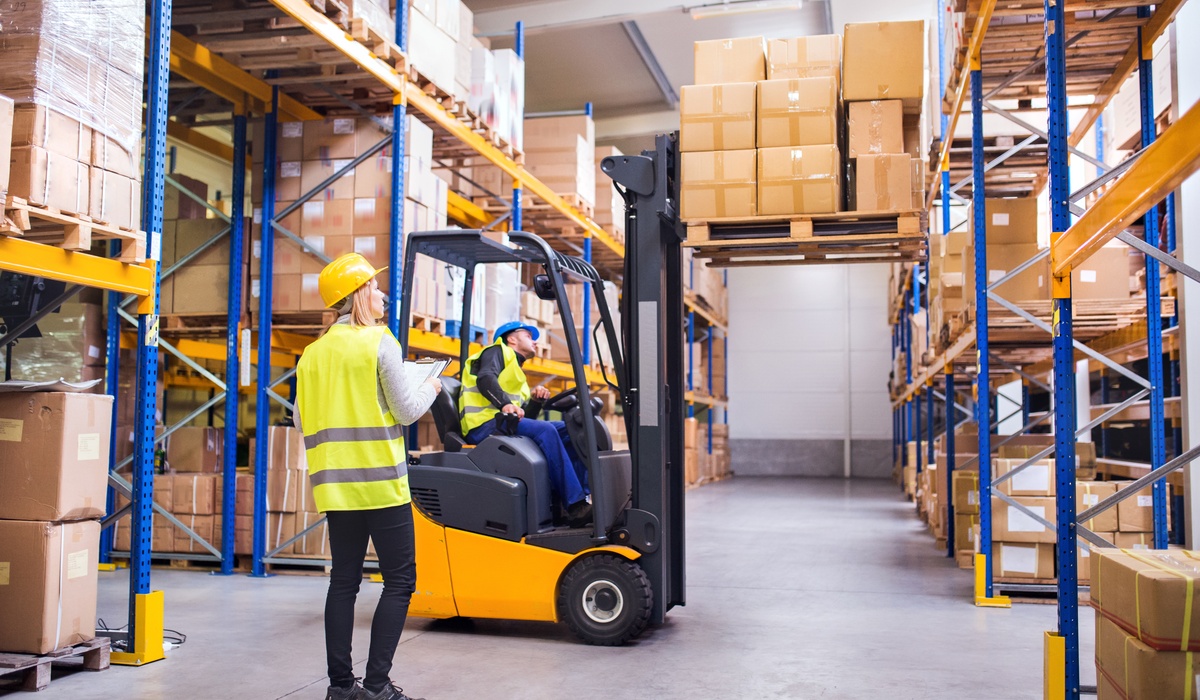
When forklifts and other industrial vehicles share space with employees on foot, the facility layout can create dangerous interactions even when operators follow established procedures. Aisles that accommodate normal traffic may become difficult to navigate when workers temporarily stage materials nearby. Blind corners and intersections with limited visibility further increase the potential for collisions.
Changes in production schedules can make these conditions more dangerous because vehicle traffic may increase without corresponding adjustments to pedestrian routes. Employees who take shortcuts between departments can unexpectedly enter equipment operating zones, particularly when marked walkways require longer travel distances.
Facilities should examine how employees actually move through production and storage areas during busy shifts. Clearly marked pedestrian routes and physical barriers where appropriate can reduce unnecessary contact with moving equipment. Safety reviews should account for changing traffic patterns whenever departments reorganize their workspaces.
Storage Conditions That Gradually Become Unsafe
Industrial storage systems may appear stable during a quick visual inspection, even when repeated use has weakened their structural integrity. Forklift impacts can damage rack supports, while employees may exceed designated load limits to accommodate temporary inventory increases. Improper stacking creates additional hazards when loads shift or workers retrieve items from elevated positions.
Supervisors should examine storage arrangements for damage and verify that employees understand shelving and racking capacity limits. Materials need sufficient support, particularly when their weight or shape makes them difficult to stabilize. Routine inspections should address how workers access stored products, since awkward retrieval methods can expose employees to falling objects and physical strain.
Overlooked Risks During Container Handling
Material handling procedures frequently concentrate on forklifts and other large equipment, leaving the condition of individual containers with less attention. Damaged pallets and unsecured loads can introduce hazards during otherwise routine movements. Even experienced operators may encounter unexpected instability when containers have uneven weight distribution or incompatible lifting points.
Facilities that handle industrial liquids face additional considerations because container damage can result in leaks or exposure to hazardous contents. Establishing procedures for safely moving IBC totes can address risks associated with improper lifting and inadequate equipment inspections. Workers should verify container condition and use equipment suitable for the load before initiating movement.
Minor Equipment Damage That Goes Unreported
Small defects in frequently used equipment can become familiar enough that employees stop recognizing them as safety concerns. A loose machine guard or damaged electrical cord may not immediately interrupt production. Workers sometimes compensate for these problems by changing how they operate equipment, allowing unsafe conditions to continue without formal maintenance requests.
When maintenance teams prioritize equipment failures that stop production, smaller defects may receive less attention despite their potential consequences. Facilities need a straightforward process for reporting damage and determining whether equipment can safely continue operating. Supervisors should take recurring complaints seriously, especially when several employees report problems with the same machine or workstation.
Housekeeping Problems Beyond Visible Clutter
Although housekeeping inspections typically identify obvious obstructions, less noticeable conditions can create equally serious hazards. Residue from industrial processes may accumulate on walking surfaces, while small leaks leave slippery areas near equipment. Poorly positioned hoses and temporary electrical cables can introduce tripping hazards in locations where employees routinely carry materials.
Maintaining safe walking surfaces requires attention to the sources of recurring problems, not simply cleaning affected areas after each shift. Facility managers should investigate repeated spills and establish suitable storage locations for equipment that workers need throughout the day.
Maintenance Activities That Introduce Unexpected Hazards
During equipment repairs or routine servicing, employees may encounter hazards that do not exist during normal operation. Removing protective guards exposes moving components, while stored mechanical or electrical energy can create dangerous conditions even after someone shuts down a machine. Contractors unfamiliar with the facility may face additional risks when they begin work without adequate information about nearby operations.
Maintenance planning should include task-specific hazard assessments and appropriate hazardous energy control procedures, including lockout/tagout when required. Coordination between maintenance personnel and production supervisors matters because nearby equipment may continue operating while technicians complete repairs.
Before returning machinery to service, responsible personnel should verify that workers have cleared the area and that protective systems function correctly. Clear communication between maintenance and production teams can prevent employees from restarting equipment before technicians finish their work.
Environmental Conditions That Affect Worker Awareness
Industrial safety reviews sometimes concentrate on equipment and physical barriers without examining how surrounding conditions influence employee performance. Excessive noise can interfere with verbal warnings, while inadequate lighting makes it difficult to identify obstacles or recognize changes in equipment condition. Heat exposure may further affect workers performing physically demanding tasks, particularly in facilities with limited ventilation.
Evaluating these conditions requires more than confirming that lighting fixtures and ventilation systems operate. Managers should consider whether employees can clearly identify hazards at their workstations and communicate during normal production activity. Areas with elevated noise levels may require visual warning systems or other protective measures, while temperature-related risks call for controls suited to the work environment.
Making Routine Safety Reviews More Effective
Even facilities with established inspection schedules can miss hazards when evaluations follow the same predictable route every time. Employees may prepare work areas before inspections, leaving reviewers with an incomplete picture of normal operations. Conditions that emerge during shift changes or peak production periods may escape attention entirely if inspections occur only during quieter hours.
Safety personnel can strengthen evaluations by observing work under different operating conditions and involving employees who perform the tasks being reviewed. Near-miss reports and recurring maintenance concerns can reveal patterns that conventional checklists overlook. Following up on corrective actions matters just as much as identifying problems, since an unresolved hazard can continue exposing employees long after someone first reports it.
A Safer Facility Starts With Everyday Observations
Industrial safety programs need to account for the gap between written procedures and the conditions employees encounter during actual work. Familiar equipment and established routines can create a false sense of security, especially when minor problems have not previously caused an injury. Encouraging workers to identify changing conditions makes those concerns more visible before they develop into incidents.
Addressing hidden safety hazards in industrial facilities ultimately depends on examining ordinary work with the same attention given to high-risk operations. When managers investigate small warning signs and follow through on reported concerns, they can strengthen workplace safety without waiting for a serious incident to reveal a problem.
About The Author