Quietly Rebuilding Winnipeg: How Silvano Paletta Is Helping Transform the City One Project at a Time
- Don Woodstock
- Canada
- June 24, 2026
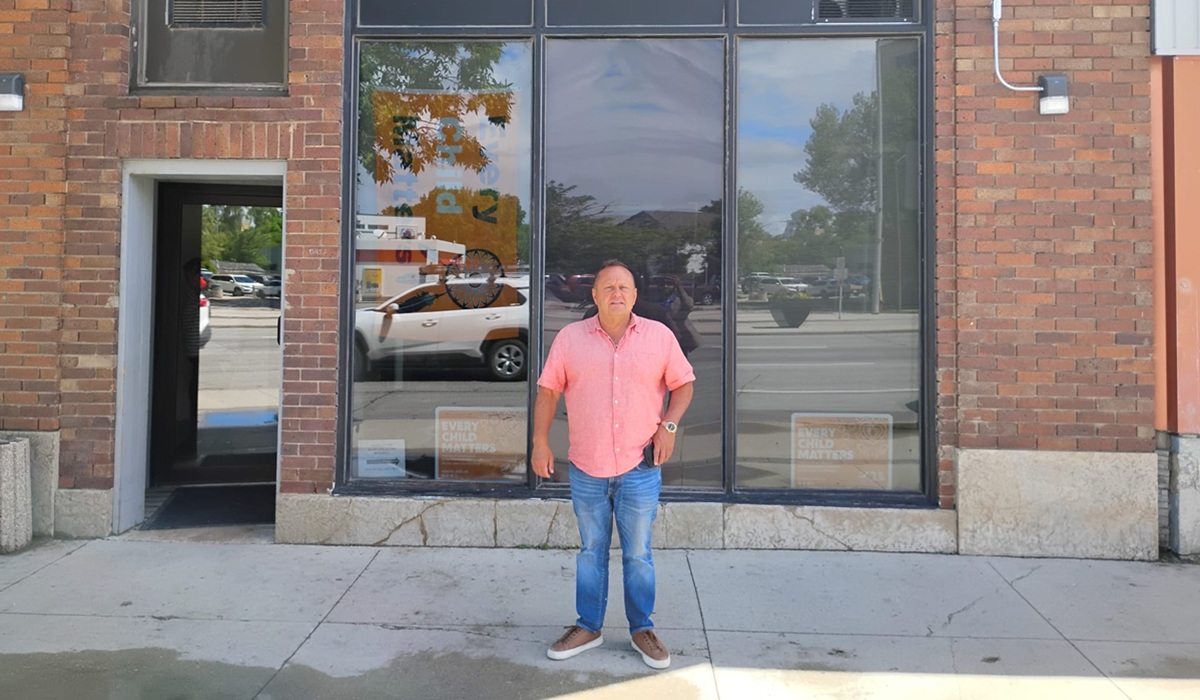
In a city where conversations often revolve around what is wrong, what needs fixing, and who is responsible, it is easy to overlook the people who are quietly working on solutions. For decades, Silvano Paletta has been one of those people.
Over the years, he has invested hundreds of millions of dollars into Winnipeg, helping shape everything from commercial developments and office buildings to major redevelopment projects in the downtown core. His investments have become part of the city’s architectural landscape, creating jobs, supporting businesses, and contributing to neighbourhoods across Winnipeg. While many developers pursue the easiest opportunities, he has built a reputation for taking on projects others considered too difficult, too risky, or simply not worth the effort. Perhaps no project better illustrates that approach than the former Balmoral Hotel.
To understand the significance of what stands there today, it is important to remember what the property had become. For years, the Balmoral was widely regarded as one of the most troubled and notorious properties in Winnipeg. It was not simply an aging hotel suffering from neglect. The building had become synonymous with crime, violence, drug activity, prostitution, unsafe living conditions, and chronic disorder. Many residents viewed it as one of the most dangerous addresses in the city, and countless people went out of their way to avoid the area altogether.
The property became associated with repeated police responses and a long list of social challenges that seemed impossible to overcome. News reports and public discussion surrounding the building frequently focused on violent incidents, including murders that occurred in or around the property over the years. Police officers were routinely called to the location for assaults, disturbances, drug-related activity, public intoxication, thefts, and other criminal offences. Emergency vehicles arriving at the property became such a common sight that few people were surprised to see them.
Inside, conditions reflected years of decline. Reports of discarded needles, unsanitary rooms, rodents, bedbugs, damaged infrastructure, and illicit activity painted a picture of a building that had fallen far from its original purpose. Hallways that should have provided shelter instead became gathering places for criminal behaviour. The property had become a symbol of everything many people believed was going wrong in the downtown core.
When the building eventually changed hands, the scale of the challenge became immediately apparent. The cleanup effort alone was enormous. Years of accumulated damage, debris, contamination, deterioration, and neglect had to be addressed before meaningful redevelopment could even begin. Many investors would have viewed the property as beyond saving. Many would have chosen demolition over rehabilitation.
The attached beer vendor carried its own troubled reputation. Residents and nearby businesses frequently associated it with public intoxication, disturbances, disorder, and behaviour that contributed to the area’s declining reputation. Together, the hotel and vendor became symbols of a block that many believed had been lost.
When word spread that the longtime Winnipeg developer intended to purchase the property, many questioned the decision. Looking at the building as it existed then, it was easy to understand why. To most people, it appeared to be an impossible project that would consume enormous amounts of time, money, and effort with no guarantee of success.
“There were certainly people who thought it couldn’t be done,” he recalled. “But I believed the building could serve a much greater purpose.”
That belief is now visible throughout the property. What was once one of Winnipeg’s most troubled addresses has been transformed into a health and wellness centre focused on healing, healthcare, childcare, and community support. Where police cars once arrived on a regular basis, families now bring their children to daycare. Where crime and disorder once dominated the conversation, healthcare workers, educators, support staff, elders, and community members now work together to improve lives.
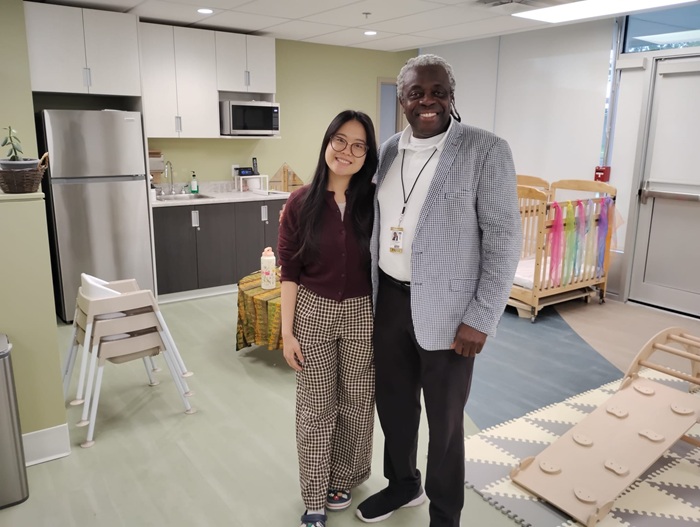
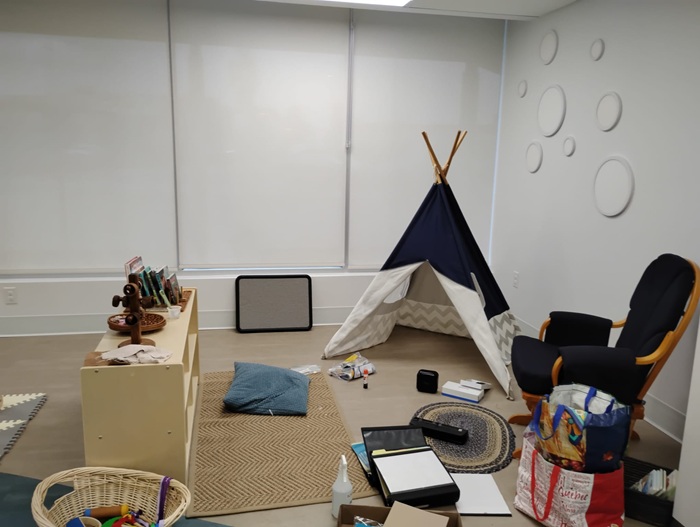
One of the centre’s most significant features is its childcare facility. Covering more than 10,000 square feet, the daycare is expected to serve 96 children, with a waiting list already exceeding 100 families. The centre provides programming for infants through preschool-aged children in an environment specifically designed to support learning, development, and inclusion.
“The facility is absolutely beautiful,” said Khai Hi, Assistant Site Lead. “Everything has been designed with families in mind. We have incredible staff, strong programming, and a welcoming atmosphere where children can learn and grow. It is something the community can truly be proud of.”
The centre also features a healing circle inspired by Indigenous traditions, complete with Aurora Borealis-style lighting that creates a calming and reflective space. Developed in partnership with Indigenous leadership, it serves as a place for gathering, healing, and cultural connection. The design reflects a broader vision that wellness is about more than medical treatment. It is about creating environments where people feel connected, respected, and supported.
“What we are trying to create is more than a building,” he said. “We are trying to create places where people feel respected, where they feel welcome, and where they can move forward.”
The former hotel now serves an entirely different purpose as well. Individuals and families travelling to Winnipeg for medical treatment, recovery, or wellness services can stay in a clean, supportive environment while accessing care. Many guests come from northern and remote communities and need a place that provides stability during difficult times while they receive treatment or support services.
Perhaps the most telling part of the transformation is not the architecture itself but the atmosphere inside. Walk through the building and people know who he is. Staff members stop to chat. Residents greet him warmly. There is a genuine sense of familiarity that reflects years of building relationships rather than simply constructing buildings.
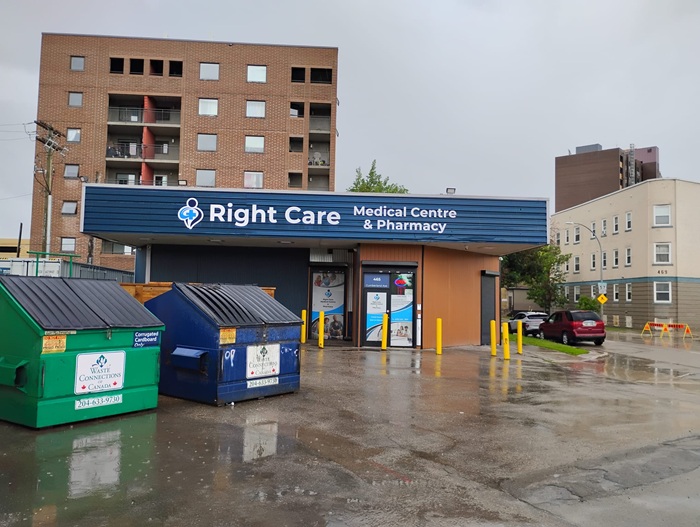
One of the most symbolic changes can be found in the former beer vendor space. What was once associated with many of the area’s challenges has been converted into healthcare and wellness services that directly benefit the community. The contrast between what existed before and what exists today is difficult to overstate. Few redevelopment projects in Winnipeg’s recent history have undergone such a dramatic transformation.
For many people, this is not simply a redevelopment project. It is one of the clearest examples of how thoughtful investment can change the trajectory of an entire block. A location once known primarily for violence, criminal activity, repeated police calls, and social disorder has become a place focused on dignity, care, opportunity, and hope.
That same philosophy can be found at Pimicikamak Place Wellness Centre on Portage Avenue. While it may not be widely known outside healthcare circles, the facility addresses a problem that hospitals and social agencies have struggled with for years. Patients recovering from illness or injury often need somewhere to go after being discharged but before they are ready to return home or move into long-term housing.
The facility provides transitional accommodations where individuals can continue recovering in a safe and supportive environment. It offers dignity, stability, and a practical solution for people who might otherwise find themselves back in emergency rooms, shelters, or unsafe situations. For individuals dealing with housing instability, addiction recovery, or complex medical needs, it provides an important bridge between crisis and independence.
“This is about dignity,” he said. “People recovering from illness or injury deserve a place where they can heal properly.”
The same commitment to practical solutions can be seen at the former Travelodge property on Notre Dame Avenue, now known as Mama Way. The site is being transformed into a major health and wellness campus that will include healthcare services, childcare spaces, community programming, and specialized supports for individuals living with limb loss and mobility challenges.
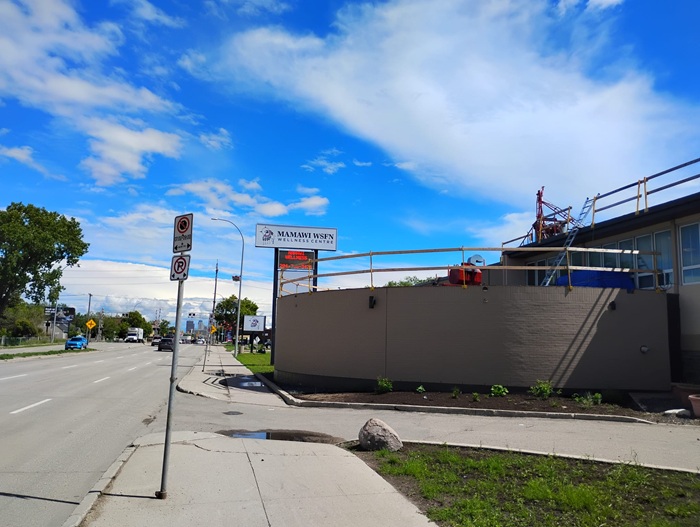
The adjacent strip mall is also being redeveloped to provide additional services that families and residents need, while outdoor spaces are being reimagined to create a more welcoming environment for children and community activities. Particularly noteworthy is the focus on accessibility and supports for people living with physical disabilities, an area where specialized services remain limited.
Taken together, these projects reveal a broader vision for Winnipeg’s future. They focus on solving problems rather than simply discussing them. They address healthcare, housing, childcare, recovery, accessibility, and community wellness in ways that create lasting impact for the people who use them every day.
His commitment to Winnipeg extends far beyond these individual developments. Throughout his career, he has consistently put his confidence, his capital, and his reputation on the line for the city. While others questioned the future of downtown at various points over the decades, he continued investing.
That confidence remains evident in plans for future development, including a major new hotel project downtown. At a time when cities across North America are competing for investment, tourism, conventions, and economic growth, projects of that scale send an important message. They create jobs, generate economic activity, attract visitors, and reinforce confidence in Winnipeg’s core.
“We need to keep building,” he said. “Strong cities don’t stand still. They evolve. They grow. Winnipeg has tremendous potential.”
That belief may be the common thread running through all of these projects. While others focus on what Winnipeg lacks, he has spent much of his career focusing on what it could become. The result can be seen not only in buildings and development projects, but in stronger communities, improved services, and opportunities for people who might otherwise have been overlooked.
Many people talk about revitalizing Winnipeg. Many talk about investing in the downtown. For decades, Silvano Paletta has quietly been doing both. Not for recognition or headlines, but because he believes in the city and its future.
In the end, that may be the most important part of his legacy. Not simply the buildings he has developed, but the lives improved by what those buildings have become. Long after individual projects are completed, the impact of those transformations will continue to be felt by families, patients, children, and communities across Winnipeg.
About The Author