Canada’s Grocery Theft Crisis: When People Can’t Afford to Eat, the Entire Country Pays the Price
- Emma Ansah
- Canada
- June 4, 2026
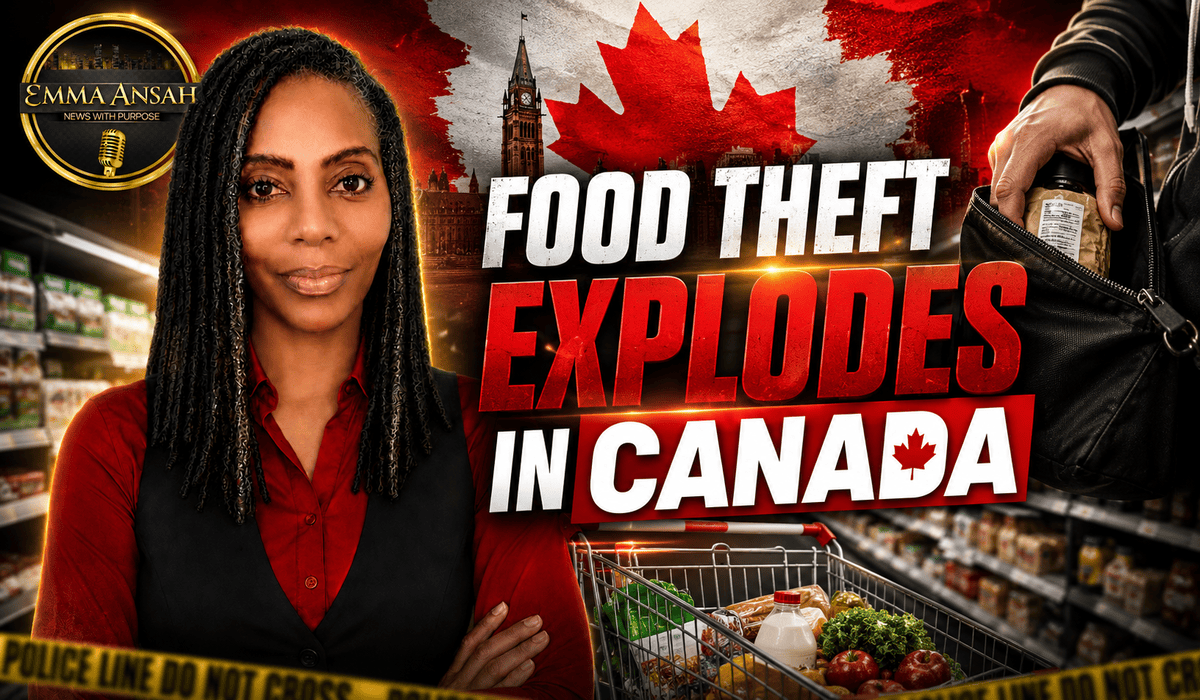
Grocery store theft has become a growing concern across Canada, with retailers reporting billions of dollars in annual losses as businesses struggle to address the issue. According to the Retail Council of Canada, theft and retail crime are costing the industry significantly, forcing grocery chains to increase security measures and find new ways to protect their stores.
However, beyond the financial losses and the conversations about crime, Canadians need to ask a much deeper question about what is happening across this country. How did we reach a point where grocery stores are spending more money trying to prevent theft while millions of Canadians are struggling just to afford food?
Canada is facing an affordability crisis that cannot be ignored. According to Food Banks Canada, food banks recorded nearly 2.2 million visits in March 2025 alone, the highest level reported in the organization’s history. Food bank usage has nearly doubled since 2019, showing just how many families are being pushed to the edge financially.
These are not just numbers on a spreadsheet. These are seniors, working families, students, newcomers, and everyday Canadians who never imagined they would need assistance just to put food on the table. Food Banks Canada also reported that about one third of food bank clients are children, highlighting how deeply this crisis is impacting families.
While theft should never be justified, we cannot have an honest conversation about grocery theft without talking about the economic reality many people are facing. When people are stealing basic necessities instead of luxury items, society has to examine what conditions have pushed some individuals into desperation.
The federal Liberal government has faced growing criticism over Canada’s affordability challenges, including the rising cost of housing, groceries, and everyday expenses. While global inflation, supply chain issues, corporate pricing decisions, and international economic pressures have all contributed to higher costs, many Canadians believe government policies and decisions must also be examined when discussing how expensive life has become.
Leadership comes with accountability. When a country reaches a point where record numbers of people are depending on food banks while grocery prices continue to climb, Canadians deserve serious conversations about wages, affordability, competition in the grocery industry, taxation, and policies that impact household budgets.
Businesses also have a right to protect themselves. Theft affects workers, increases security concerns, and can create additional costs that may eventually impact customers. Store employees should not be placed in unsafe situations, and business owners should not be expected to absorb endless losses.
At the same time, more cameras, locked shelves, and security guards will not solve the deeper issue happening outside those grocery store doors. A country cannot simply police its way out of poverty or affordability problems.
The grocery theft crisis is about more than missing products from store shelves. It is a warning sign about a country where more people are struggling to meet their basic needs.
Canada must decide what kind of future it wants. Because in a nation with so much wealth and opportunity, being able to afford food should never become a luxury.
About The Author