Why Proper Training Matters in Material Handling Jobs
- Casey Cartwright
- Home Improvement
- May 21, 2026
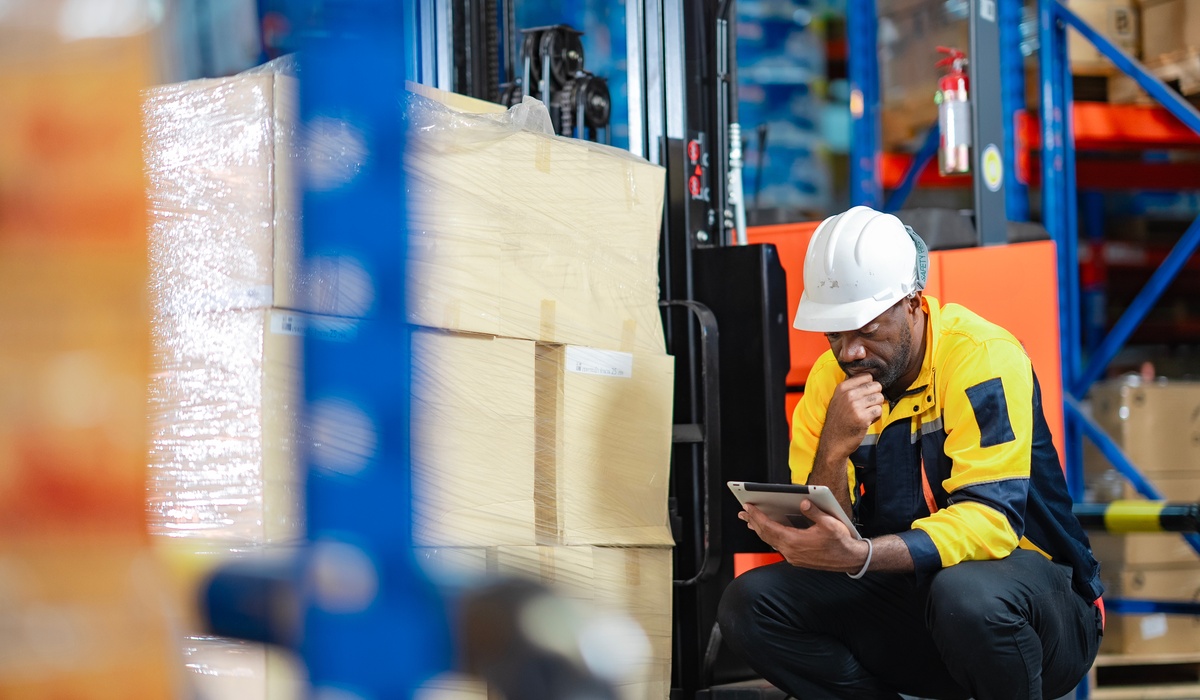
You can spend years around equipment and heavy loads and still run into situations that test your limits. Experience builds confidence, but it doesn’t always guarantee precision. When conditions shift or loads behave unpredictably, instincts alone won’t carry you through. This is why proper training matters in material handling jobs.
Training gives structure to what you’ve seen and turns repetition into control. Without it, even seasoned workers can misjudge weight distribution or overlook subtle risks.
Load Behavior in the Real World
Material handling involves many variables. One day you’re dealing with balanced pallets, the next you’re facing irregular shapes that shift mid-lift. Those moments demand more than strength or familiarity.
Training teaches you how loads react under pressure, how weight shifts during movement, and how small adjustments prevent big problems. When you understand material behavior, you start anticipating. That shift changes everything on the job.
The Cost of Skipping Proper Preparation
Cutting corners in training creates setbacks. You’ll see the difference in how trained workers approach a task. They check balance points, adjust positioning, communicate clearly, and stay aware of surroundings. Those habits don’t come from consistent, focused training.
What Strong Training Actually Builds
Good training connects directly to what you face in the field and reinforces habits that hold up under pressure.
It gives you:
- Clear understanding of load balance, weight distribution, shifting forces, and center of gravity
- Confidence in equipment handling across forklifts, rigging setups, attachments, and support tools
- Strong situational awareness in tight spaces, uneven terrain, changing weather, and limited visibility
- Consistent approaches to communication with teams during lifts, transport, positioning, and final placement
Where Training Shows Up Most
Training proves its value when conditions shift, and plans fall apart. In those moments, the gap between preparation and guesswork becomes clear. Handling uneven loads highlights this difference, where proper technique determines whether a lift remains under control or becomes unstable.
Build Confidence That Holds Up
Confidence without structure won’t hold under pressure. Someone may step in quickly and take charge, but hesitation creeps in the second something feels off. Training replaces that uncertainty with clear direction.
When you understand what’s happening, you make measured decisions, adjust with intent, and carry the task through with control, which keeps both you and your team in a safer position.
If you take your work seriously, proper materials handling training should be a priority. It needs to be part of how you approach the job. Keep refining your skills and treat every lift as something worth getting right.
About The Author