Hunger Crisis Deepens Across Somalia as Millions Face Emergency Conditions
- Ingrid Jones
- Africa
- May 14, 2026
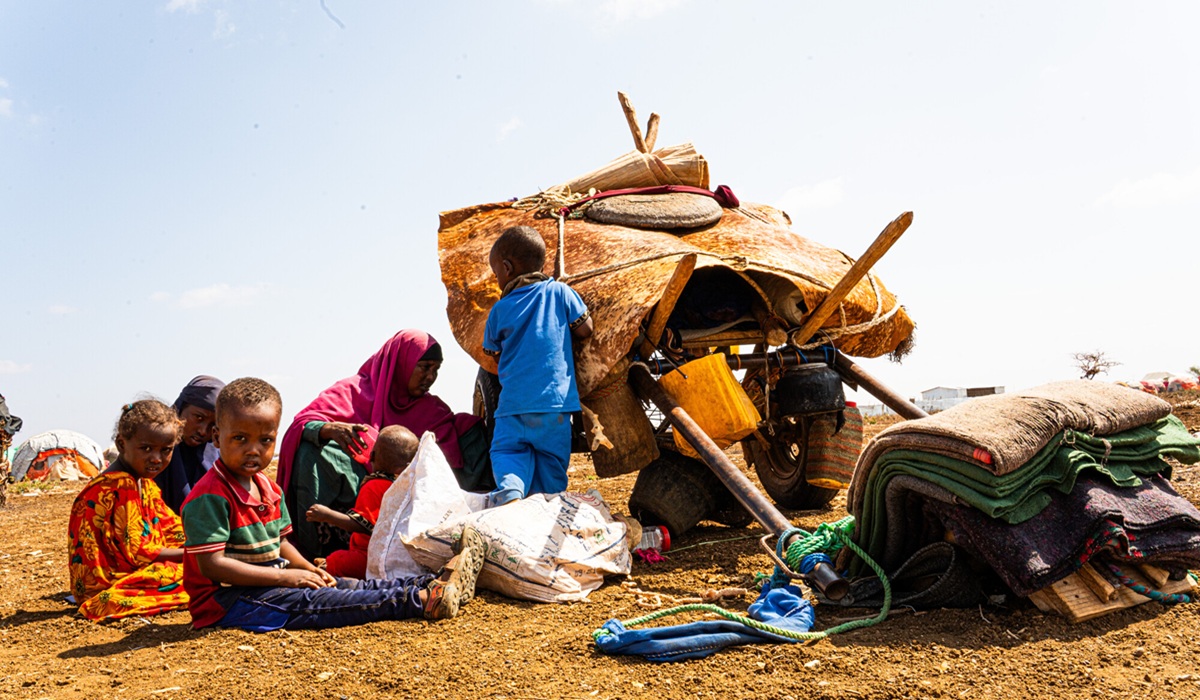
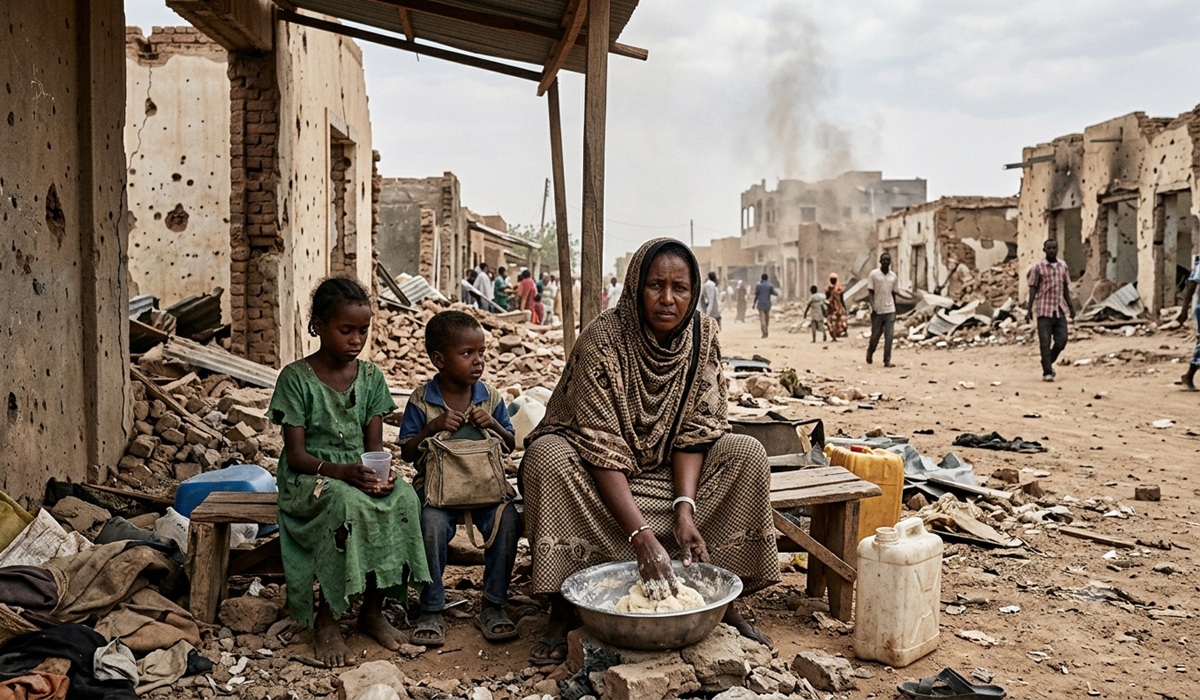
A worsening hunger crisis is gripping Somalia, where new food security data shows nearly six million people are now struggling to find enough to eat, with aid organizations warning that some communities are edging dangerously close to famine conditions.
Fresh findings from the Integrated Food Security Phase Classification indicate the situation has deteriorated beyond earlier forecasts, driven by soaring food prices, uneven rainfall, mass displacement, and the growing economic fallout linked to instability in the Middle East. Humanitarian agencies say the coming weeks could prove critical if additional assistance is not delivered quickly.
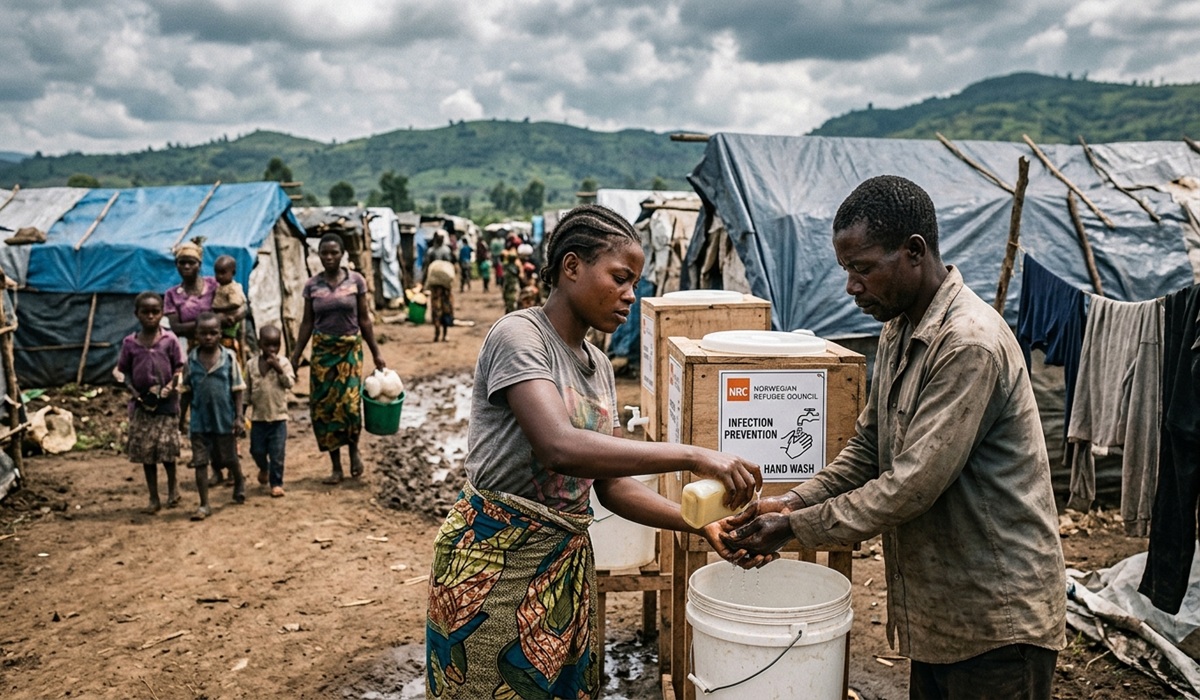
The Norwegian Refugee Council said conditions in the Burhakaba district of the Bay region are especially alarming, with warnings that the area could slip into famine-level conditions by June without an immediate increase in aid.
Mohamed Abdi, the organization’s country director in Somalia, described the situation as rapidly deteriorating, saying communities are already living on the edge while humanitarian resources continue to fall short. He noted that the country is not only battling severe hunger, but also an economic shock that has sharply increased the price of fuel and essential goods.
Somalia, which depends heavily on imported supplies, has been hit hard following the closure of the Strait of Hormuz. Aid agencies report fuel prices have surged from roughly 60 cents to $1.50 per litre, while staple items including rice, flour, and cooking oil have jumped by nearly 50 per cent. Humanitarian officials say the price increases are making survival even more difficult for vulnerable families already struggling through drought conditions.
The latest assessment estimates more than 1.9 million people are now facing emergency levels of food insecurity, while close to 1.9 million children under the age of five are at risk of malnutrition this year. Relief groups say children are among the most vulnerable as shrinking household incomes and rising market costs continue to erode access to food.
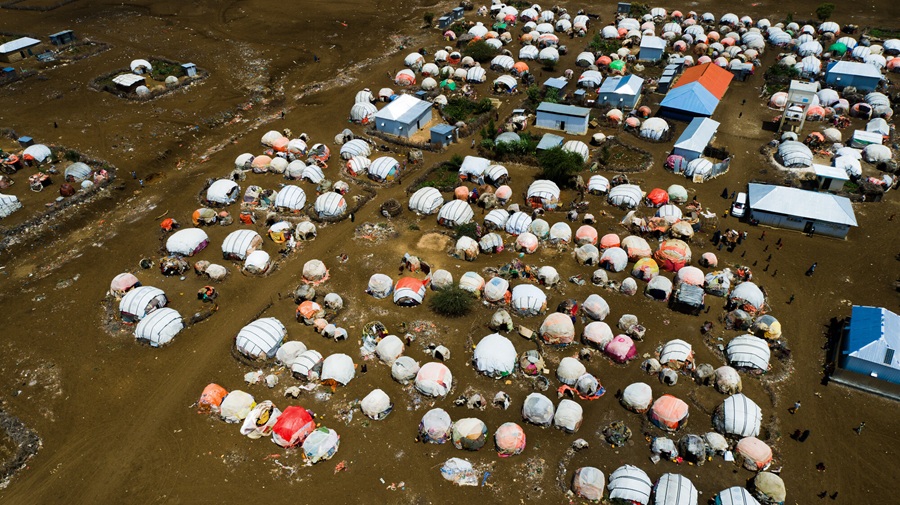
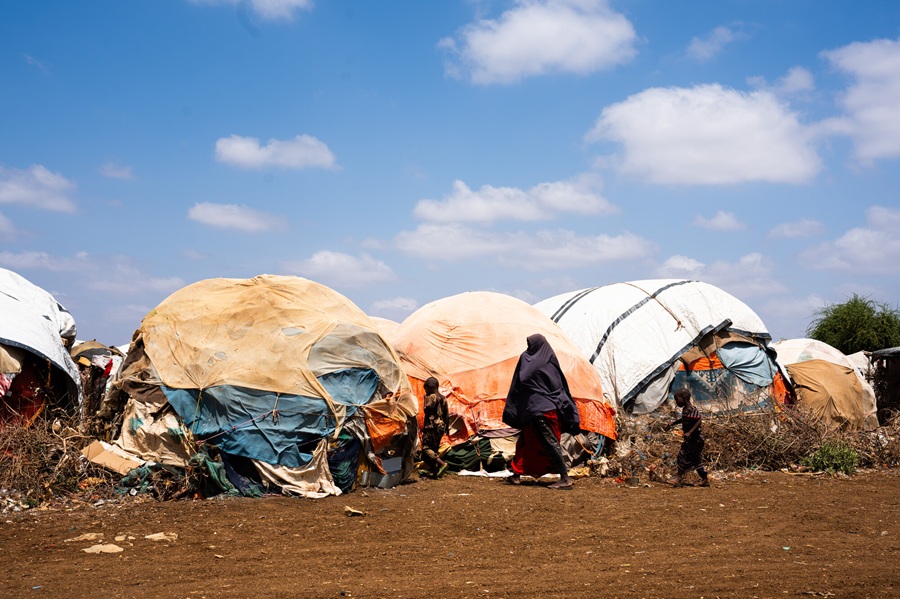
Displacement inside the country has also intensified. More than 550,000 people have been uprooted so far this year alone, with drought-related conditions accounting for the overwhelming majority of those movements. That figure adds to an already staggering total of 3.3 million displaced people nationwide.
Rainfall during the Gu rainy season, which began in April, has been inconsistent across large sections of the country. While some northwestern and southern areas received meaningful precipitation, several key regions including Hiiraan, Middle Shabelle, Bay, Lower Shabelle, Galgaduud, Mudug, Bari, and parts of the northern coast continue to see limited rainfall. Humanitarian agencies warn the poor rainy season threatens crop production, livestock survival, and access to water in areas already facing severe hardship.
Despite the scale of the emergency, humanitarian operations remain critically underfunded. According to aid officials, only about 15 per cent of the required funding for Somalia’s humanitarian response plan has been secured so far, leaving relief organizations struggling to keep pace with rising needs.
International agencies continue to urge donors and governments to increase support immediately, warning that without urgent intervention, conditions could deteriorate rapidly in some of the country’s hardest-hit regions over the coming months.
About The Author