Comparing Dimensional Letters and Flat Panels for Branding
- T Flow Printing & Signage
- Western Canada
- May 4, 2026
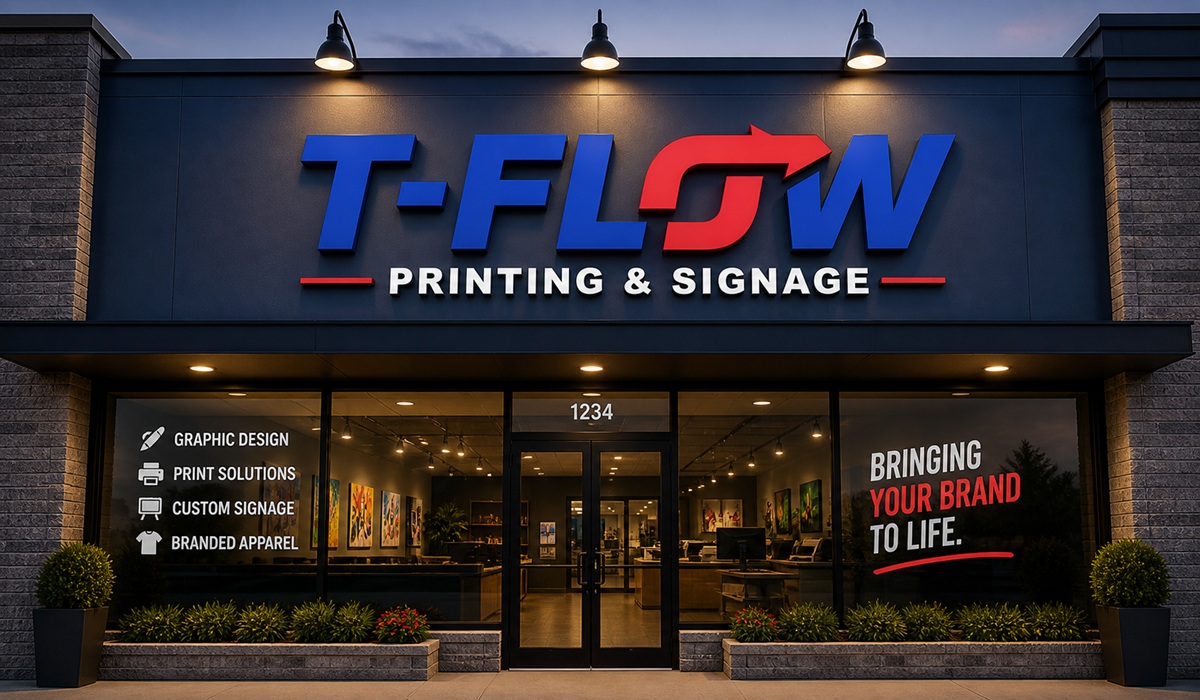
When a business is investing in signage, the choice often comes down to two distinct directions: dimensional letters or flat panel signs. At first glance, the decision might seem purely aesthetic, but in reality, it plays a critical role in how a brand is perceived, remembered, and trusted. The difference between these two signage styles goes far beyond appearance, touching everything from visibility and durability to customer psychology and long-term value.
Dimensional letters, often referred to as 3D signage, create depth and presence. These signs are typically crafted from materials like acrylic, metal, or PVC, and are individually mounted to a wall or backing surface. That separation from the wall creates shadows and contrast, which naturally draw the eye. It is a subtle but powerful effect that makes the signage feel more premium and intentional. Walk past a storefront with well-designed dimensional lettering, and there is an immediate sense that the business has invested in its image and cares about how it presents itself to the public.
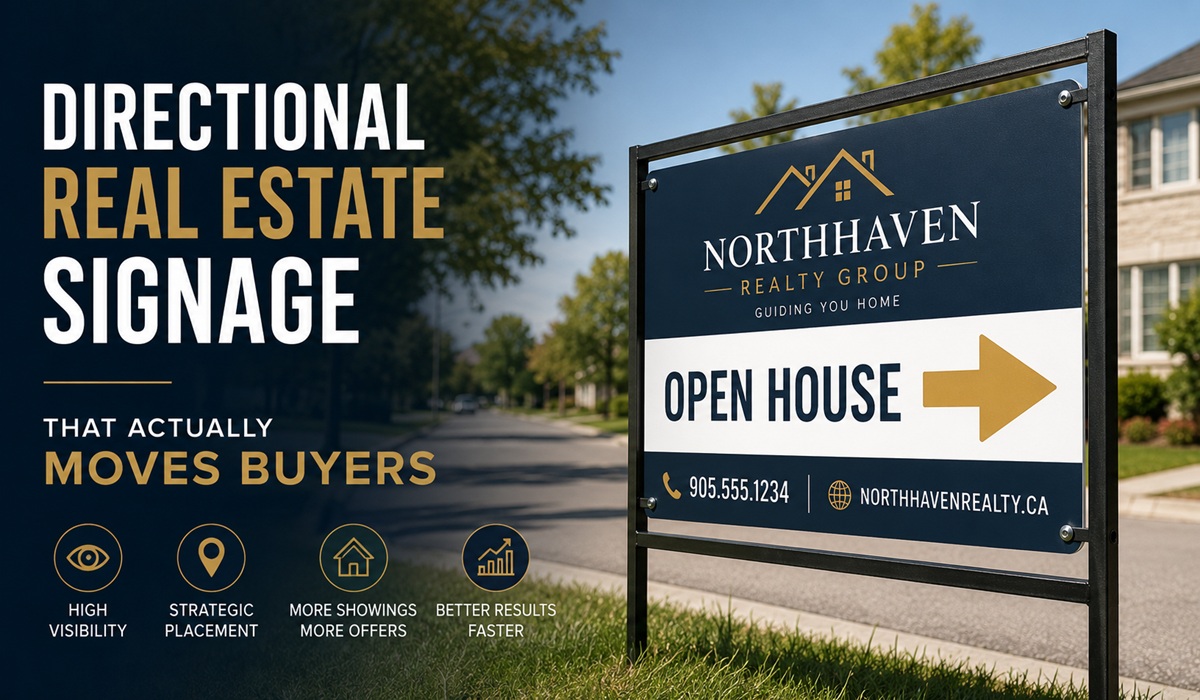
Flat panel signs, on the other hand, rely on printed graphics applied to a single surface, usually aluminum composite or similar materials. They are straightforward, cost-effective, and widely used across industries. For businesses that need to communicate information quickly and clearly, flat panels do the job efficiently. They allow for bold colors, detailed graphics, and easy updates, which can be particularly useful for promotions or temporary messaging. However, they tend to blend into the environment rather than stand out from it, especially in busy commercial areas where visual competition is high.
The real difference begins to show when you consider how people interact with signage on a subconscious level. Dimensional letters create a tactile, almost architectural quality that gives a sense of permanence. They signal stability and confidence, which can influence how customers perceive the brand before they even step inside. A law firm, a high-end retail store, or a corporate office often leans toward dimensional signage because it reinforces credibility. It tells a story without needing extra words.
Flat panel signage leans more toward practicality. It is often chosen by businesses that need flexibility or are working within tighter budgets. Restaurants with frequently changing menus, service providers with evolving offerings, or startups testing different branding directions may prefer flat panels because they can be updated or replaced with minimal cost. There is also an advantage in terms of speed, as flat panel signs can be designed, printed, and installed relatively quickly compared to custom-built dimensional letters.
Lighting is another factor that separates these two approaches. Dimensional letters can be illuminated in a variety of ways, including backlighting, front lighting, or halo effects that create a glow around each letter. This not only enhances visibility at night but also adds a layer of sophistication that flat panels struggle to match. While flat panel signs can be lit externally or with integrated light boxes, the effect is often more uniform and less dynamic.
Durability and maintenance also come into play. Dimensional letters, especially when made from high-quality materials, are built to last. They can withstand harsh weather conditions and maintain their appearance over time with minimal upkeep. Flat panel signs, while still durable, may show wear more quickly, particularly if they rely on printed vinyl that can fade or peel after prolonged exposure to the elements. This does not make them inferior, but it does mean businesses need to factor in potential replacement costs over the years.
Cost is often the deciding factor, and this is where flat panels have a clear advantage upfront. They are significantly less expensive to produce and install, making them accessible for small businesses or short-term needs. Dimensional letters require a higher initial investment, but they often deliver greater long-term value by enhancing brand perception and reducing the need for frequent updates. It becomes less about the price tag and more about the return on that investment in terms of visibility, credibility, and customer attraction.
Choosing between dimensional letters and flat panels ultimately comes down to the goals of the business. If the priority is to create a strong, lasting impression that elevates the brand, dimensional letters are hard to beat. If the focus is on affordability, flexibility, and quick turnaround, flat panel signage provides a reliable solution. In many cases, the most effective branding strategy combines both, using dimensional elements for the main identity and flat panels for supporting information.
For businesses looking to make the right decision, working with an experienced signage provider can make all the difference. A team that understands not just design, but also branding and customer behavior, can guide that choice in a way that aligns with long-term business goals. That is where companies like T Flow Printing & Signage come in, offering tailored solutions that balance visual impact with practical needs. You can explore their work and connect directly through their Facebook page at https://www.facebook.com/profile.php?id=61561452777281.
At the end of the day, signage is more than just a marker for a location. It is often the first interaction a customer has with a brand. Whether it is the bold presence of dimensional letters or the clarity of a flat panel, the choice should reflect the identity the business wants to project and the experience it aims to deliver.
About The Author