United States: A Dangerous Silence Around Nuclear Authority Raises Alarming Questions
- Hami Aziz
- U.S.A
- April 22, 2026
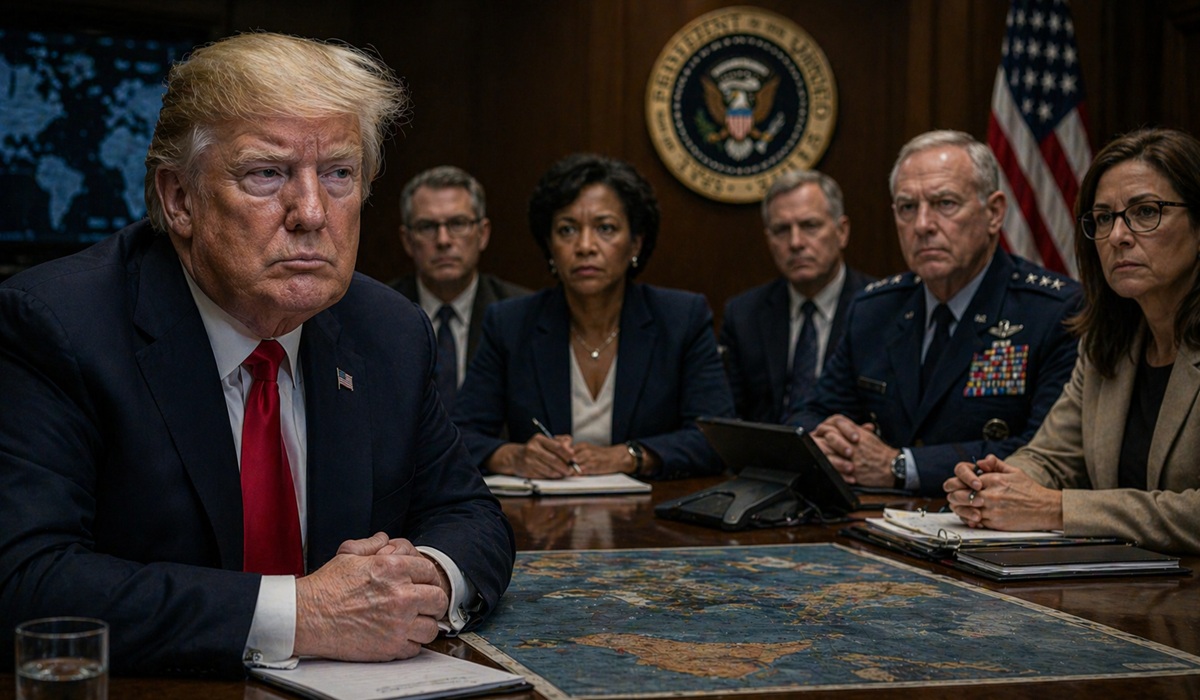
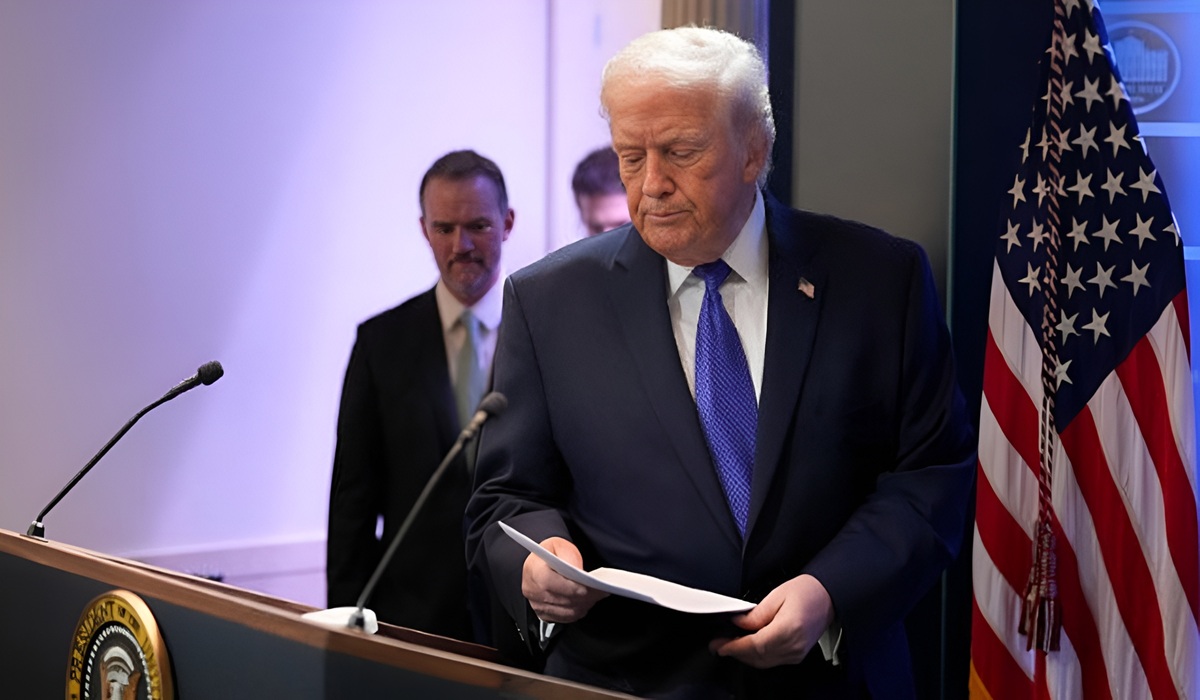
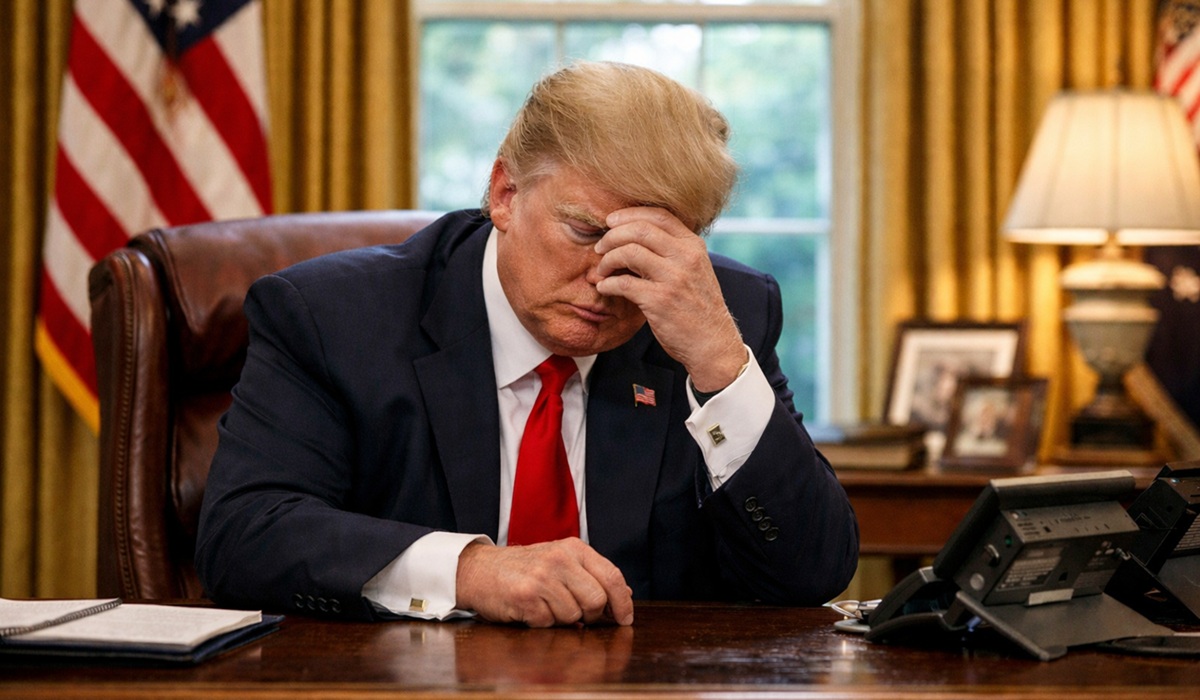
Something is unfolding in Washington that goes far beyond political theatre, and the silence surrounding it is becoming as significant as the stories themselves. Reports circulating through intelligence circles, former insiders, and various media voices are pointing toward a deeply unsettling possibility. The issue is no longer about disagreement within government ranks. It is about whether those closest to the most destructive weapons on Earth still have full confidence in the man who commands them, Donald Trump.
The conversation gaining traction is not subtle. It revolves around claims that senior military leadership, including figures at the very top of the Pentagon structure, may have slowed down, resisted, or outright refused to act in moments where nuclear authority was being raised. These are not isolated whispers tied to a single incident. They are being framed as part of a broader pattern, one that coincides with increasingly aggressive rhetoric, renewed military positioning, and escalating tensions involving Iran. The language coming out of Washington has shifted, and with it, the level of concern inside the system appears to have shifted as well.
What makes this moment particularly volatile is the context in which these stories are emerging. The United States is already operating in a heightened state of military tension, with direct confrontations and strategic pressure building in key regions. Alongside that reality, there has been a noticeable increase in talk around military readiness, including discussions tied to nuclear capabilities and expanded deterrence. When that level of escalation is paired with reports of internal hesitation, the implications are impossible to ignore.
There are also growing suggestions that the distance between the president and certain operational decision-making environments has widened during critical moments. The idea that a commander-in-chief could be kept at arm’s length from specific discussions, particularly those involving high-level military strategy, introduces a level of uncertainty that is difficult to reconcile with how the system is designed to function. The Situation Room exists as the nerve center of national security decision-making, and any perception that access or involvement is being managed or limited raises immediate and serious questions.
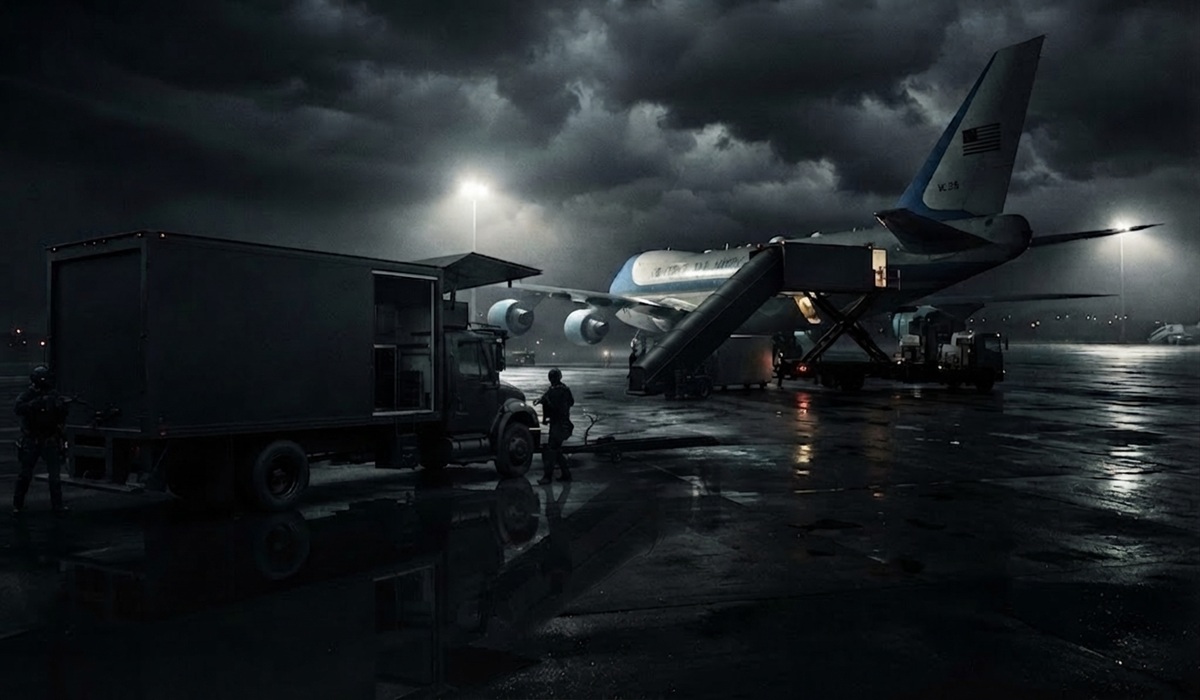
To understand why this matters, it is important to recognize how the system is supposed to operate. The President of the United States holds sole authority over the use of nuclear weapons, and the military’s role is to execute lawful orders without hesitation. The structure is built for speed, clarity, and absolute confidence. There is no allowance within that system for personal interpretation or selective compliance based on perception. It either functions as designed, or it begins to fracture under pressure.
The argument being made by some within these circles is that what is happening is not defiance, but restraint. It is being framed as a necessary safeguard in a moment where rhetoric has moved into territory that feels unpredictable and, at times, dangerously escalatory. Threats of annihilation, warnings of instability, and language that pushes beyond conventional diplomatic boundaries have all contributed to a climate where caution is being viewed by some as a form of protection rather than insubordination.
At the same time, the counterargument is just as powerful, and just as concerning. If military leaders begin to act on their own judgment about when to proceed and when to pause, the foundation of civilian control begins to weaken. That principle is not a minor detail in American governance. It is central to how the system maintains legitimacy and order. Once that line is blurred, even slightly, it introduces a level of uncertainty that can ripple far beyond any single decision.
What makes this situation different from past tensions is how it is surfacing. This is not a formal dispute playing out through official channels or public hearings. It is emerging in fragments, through conversations, accounts, and consistent themes that continue to surface from multiple directions. That does not make every detail definitive, but it does make the overall picture harder to dismiss.
The deeper issue is not tied to confirming one specific moment or action. It is tied to the fact that the idea itself has taken hold. The notion that those responsible for executing the most consequential orders in human history may be hesitating, even briefly, changes how people view the system. It introduces doubt where certainty is supposed to exist.
The United States has always relied on a delicate balance between authority and accountability. The president must have the power to act decisively, but the system must also prevent catastrophic misuse. That balance has always been theoretical until moments like this force it into the open. What is now being tested is whether that balance can hold when trust begins to erode from within.
If the chain of command remains intact on paper but begins to fracture in practice, the consequences are not abstract. They are immediate and far-reaching. This is no longer just a political story. It is a question about how power is exercised, how trust is maintained, and what happens when those two things begin to pull in opposite directions.
About The Author