Chief Tréchelle Bunn Honoured with Induction into Manitoba Indigenous Sports Hall of Fame
- TDS News
- Indigenous
- Tiger's Eye Advisory Group - Trending News
- April 17, 2026
By: Donovan Martin Sr, Editor in Chief
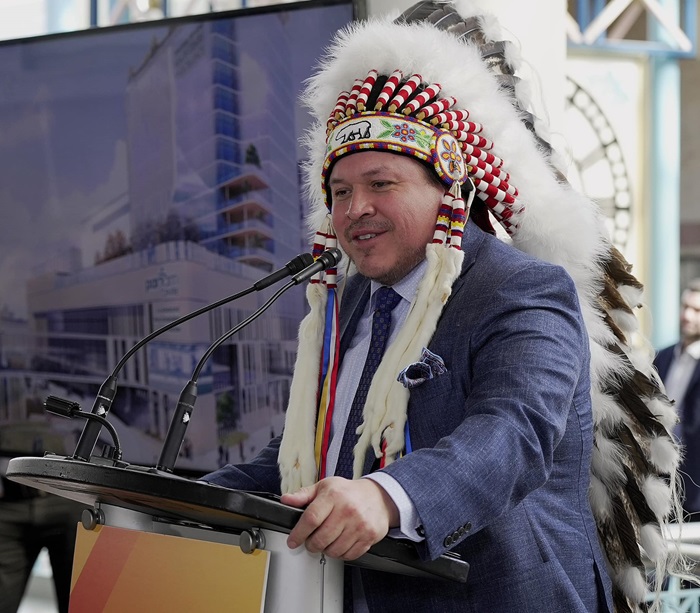
The Southern Chiefs’ Organization is celebrating a major milestone for one of its most prominent young leaders, as Chief Tréchelle Bunn is officially inducted into the Manitoba Indigenous Sports Hall of Fame & Museum. The honour recognizes not only her athletic accomplishments but also her growing influence as a leader using sport as a tool for healing, connection, and reconciliation across First Nations communities.
Grand Chief Jerry Daniels praised Bunn’s impact, pointing to her commitment to advancing reconciliation and uplifting Survivors of residential schools. He emphasized that her work reflects a deeper message that resonates beyond sport, describing her as someone who inspires others to embrace physical activity as part of a broader healing journey.
Bunn’s athletic career spans multiple disciplines, including track and field, cross country running, and ice sports. She competed at a high level as a U SPORTS athlete with the University of Manitoba and also took part in the National Aboriginal Hockey Championships. Her involvement extends well beyond competition, as she serves on Hockey Canada’s first Indigenous Advisory Circle, helping shape the future of the game through an Indigenous lens.
While her achievements on the field and ice are significant, it is her work off the field that continues to draw national and international attention. Chief Bunn is the founder of Canada’s first Reconciliation Run, held annually on the National Day for Truth and Reconciliation in Birtle, Manitoba. The event honours Survivors of the Birtle Residential School, including members of her own family, and has become a powerful gathering that brings together youth, families, and communities through movement, reflection, and shared purpose.
The run is more than symbolic. It also serves as a fundraiser supporting scholarships for Indigenous student-athletes, helping to reduce barriers and create opportunities for the next generation. That focus on youth has been a consistent theme throughout Bunn’s leadership.
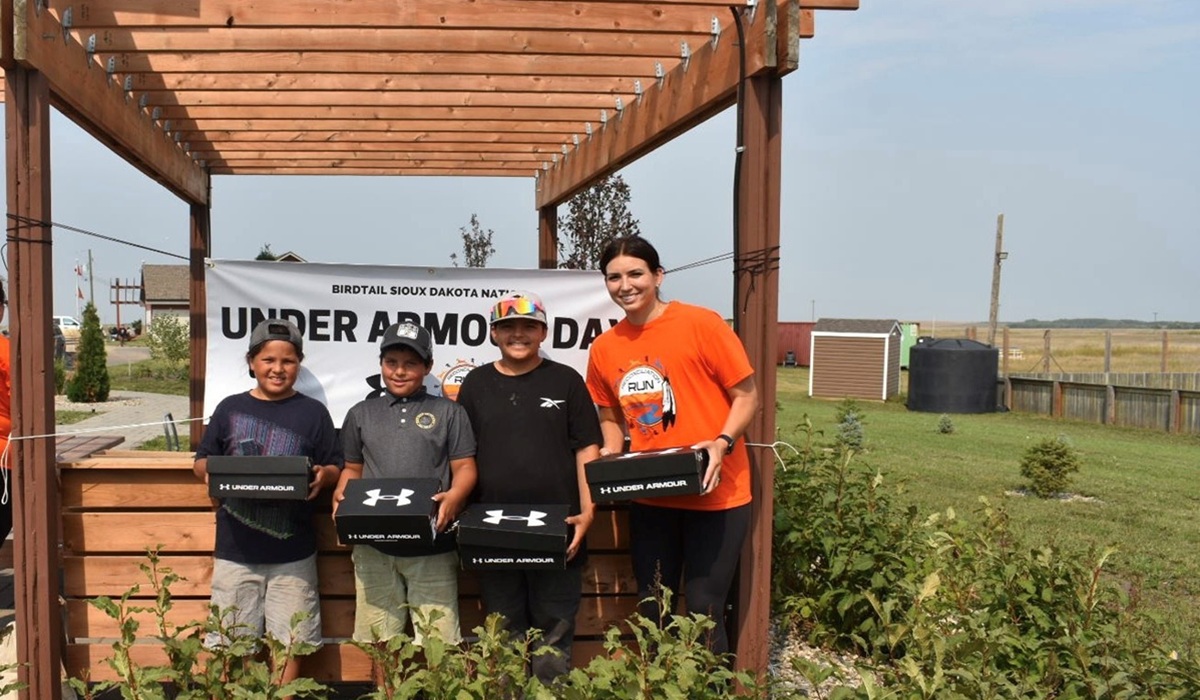
From 2023 to 2025, during her tenure as SCO Youth Chief, she worked to expand access to sport and physical activity for young people across southern Manitoba. Her efforts included advocating for resources, supporting access to equipment, and encouraging participation in athletics as a way to build confidence, identity, and belonging.
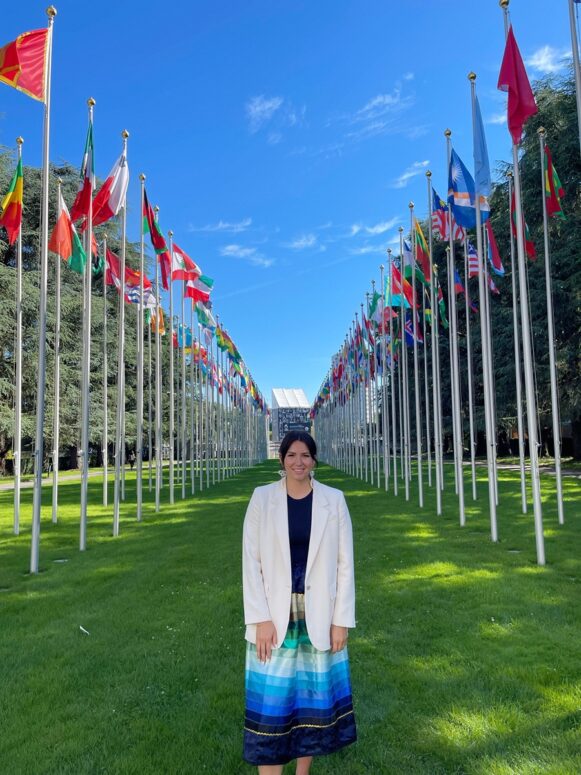
Her leadership has also reached the global stage. Bunn has addressed the United Nations in Geneva, where she spoke on transforming health outcomes for First Nations communities. Her advocacy continues to focus on the connection between physical wellness, mental health, and cultural identity.
In April 2025, Bunn made history when she was elected Chief of Birdtail Sioux Dakota Nation at just 25 years old, becoming both the first woman and the youngest person to hold the role in the community’s history. Her election marked a generational shift and signaled growing momentum for youth leadership within First Nations governance.
Earlier this year, her influence expanded further when SCO Chiefs appointed her to the organization’s Executive Committee, a key decision-making body that helps guide priorities for the 33 Anishinaabe and Dakota Nations represented by the organization.
The induction into the Manitoba Indigenous Sports Hall of Fame & Museum now adds another layer to an already remarkable trajectory, recognizing both where she has been and where she is heading.
For SCO leadership, the moment represents more than individual recognition. It reflects a broader movement that connects sport, culture, and community resilience. Grand Chief Daniels noted that Bunn’s example demonstrates how physical activity can strengthen communities while empowering young people to see themselves as future leaders.
As Chief Bunn continues to balance leadership, advocacy, and community engagement, her message remains consistent and clear. Movement is not just about sport. It is about healing, identity, and building stronger, more connected communities for generations to come.
About The Author