Add These Assets to a Property To Enhance Its Functionality
- Casey Cartwright
- Home Improvement
- March 13, 2026
Capital allocation within real estate demands precision. High-net-worth investors evaluate land not merely as scenery but as a platform for yield, leverage, and legacy. Strategic additions can convert passive acreage into assets that enhance a property’s functionality, resilience, and long-term value.
Operational utility drives valuation more consistently than aesthetic upgrades. Properties that accommodate storage, production, recreation, and flexible use command broader buyer pools and greater rental stability. Each improvement should serve a definable economic function while preserving architectural coherence.
Outlined below are structural assets that increase optionality, protect capital, and elevate estate performance.
Custom Multi-Purpose Structures
Custom multi-purpose structures offer strategic flexibility for estate owners who demand performance from every square foot. Engineered with adaptable framing systems, these buildings accommodate expansive interior spans without intrusive load-bearing walls. Clear-span configurations enable seamless transitions between storage, operations, and event use as portfolio needs evolve.
Investors with diversified holdings often require space that can shift functions over time. One year, the structure may house vehicle collections or specialty equipment. In another cycle, it may support light agricultural processing, fabrication work, or private gatherings. Structural versatility protects capital by reducing the need for future demolition or reconstruction.
Financial efficiency strengthens this investment case. Post-frame and hybrid construction methods frequently reduce foundation requirements and shorten build timelines. Capital deployment becomes more predictable, and phased expansion remains feasible as operational demands increase.
That said, regulatory diligence remains non-negotiable. Building these post-frame structures may require permits in your area. Fully research local compliance requirements before building any annexed structures on the property. Early coordination with local authorities protects timelines, prevents penalties, and safeguards projected returns.
Custom multi-purpose structures ultimately function as operational anchors within the estate. Adaptability, durability, and regulatory precision transform them from simple outbuildings into long-term instruments of wealth preservation.
Covered Patio Spaces
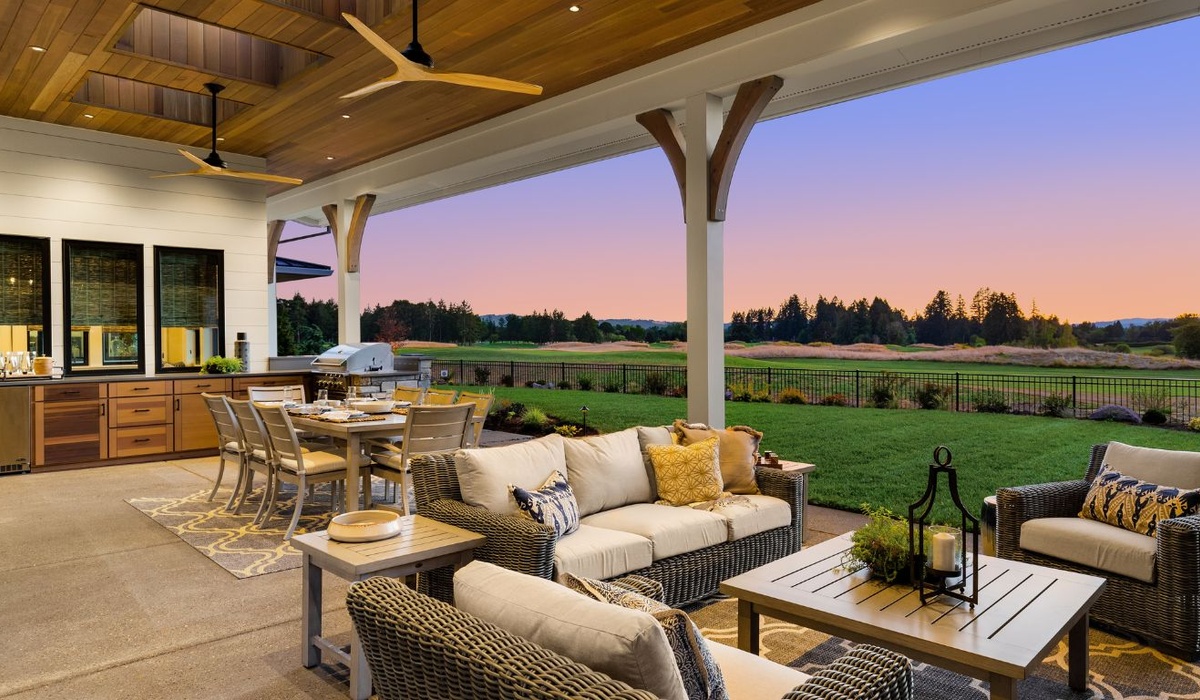
Outdoor environments increasingly serve as functional living extensions rather than decorative afterthoughts. Covered patio spaces convert underutilized exterior square footage into programmable, income-adjacent environments.
Well-designed covered patios create controlled outdoor rooms suitable for dining, meetings, or seasonal events. Structural roofing systems protect furnishings and architectural finishes from ultraviolet degradation and moisture damage. Ceiling-mounted heaters, retractable screens, and integrated lighting extend usability across climates and seasons.
Hospitality-oriented owners recognize revenue potential in refined outdoor amenities. Luxury rental properties and estate retreats command premium pricing when exterior living areas feel intentional and architecturally integrated. Privacy screens, built-in kitchens, and high-end materials reinforce exclusivity.
Residential estates also benefit from lifestyle arbitrage. Properties that accommodate gatherings, philanthropic events, or business entertaining strengthen the owner’s social capital. Multifunctional outdoor space expands hosting capacity without altering interior floor plans.
Capital efficiency emerges through increased year-round usability. Instead of constructing full additions, covered patios leverage existing structures while enhancing experiential value. Return on investment often materializes through higher resale appeal and improved rental positioning.
Detached Guest Residences or Carriage Houses
Secondary dwellings create strategic flexibility across generations and economic cycles. Guest residences accommodate extended family, executive visitors, or staff without compromising primary residence privacy.
Short-term luxury leasing markets further expand monetization options. Detached carriage houses with independent entrances, kitchens, and utility systems can generate income while preserving estate integrity. Asset segmentation enables selective use based on occupancy demand.
Intergenerational wealth planning also benefits. Aging parents or adult children may prefer proximity without full cohabitation. Detached living quarters provide dignified independence within a consolidated family compound.
Design discipline remains critical. Architectural alignment with the primary residence preserves visual cohesion and valuation stability. Infrastructure planning should anticipate future technology integration, including fiber connectivity and advanced security systems.
Municipal regulations governing accessory dwelling units vary widely. Careful review of density limitations, setback requirements, and utility connections protects capital deployment. Strategic legal planning ensures the structure qualifies for its intended financial function.
Renewable Energy and Utility Infrastructure
Energy independence increasingly correlates with long-term estate viability. Solar arrays, geothermal systems, and backup generators convert properties into semi-autonomous operational environments.
Grid instability, extreme weather, and regulatory shifts introduce uncertainty. Self-contained energy systems mitigate exposure to external disruptions. Agricultural or rural estates particularly benefit from resilient utility frameworks.
Battery storage technology allows load balancing and peak demand management. Smart distribution systems monitor consumption patterns and optimize output. Operational cost savings accumulate over extended holding periods.
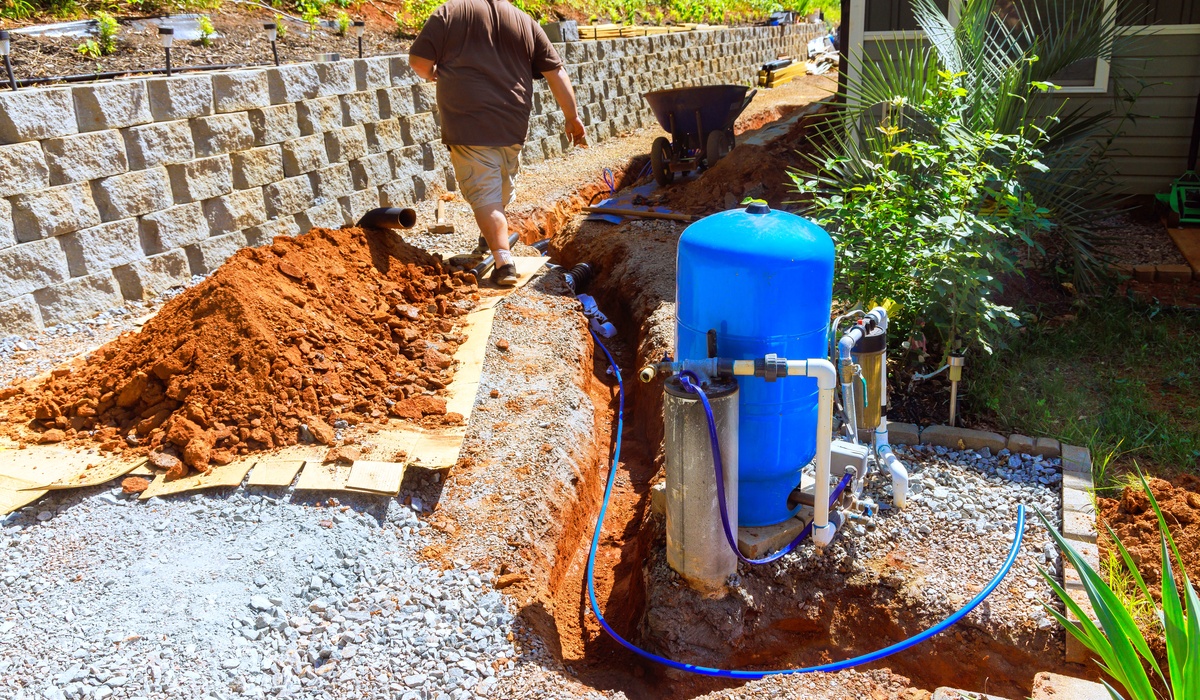
Additionally, water infrastructure deserves parallel consideration. Private wells, advanced filtration systems, and irrigation networks enhance agricultural and landscaping productivity. Redundancy reduces reliance on municipal systems that may face capacity constraints.
Resilient infrastructure also appeals to environmentally conscious buyers. Sustainability increasingly influences purchasing decisions within affluent demographics. Long-term demand may favor estates engineered for efficiency and self-sufficiency.
Multi-Use Workshops and Innovation Spaces
Entrepreneurial investors frequently operate across industries. Dedicated workshop or studio spaces allow experimentation without commercial lease obligations. Intellectual capital often flourishes when physical infrastructure supports rapid prototyping or creative work.
High-ceiling workshops connected to the primary property could accommodate fabrication equipment, fabrication tables, and modular layouts. Sound insulation and ventilation systems expand permissible uses, and integration of smart systems supports remote monitoring and security.
Rural estates particularly benefit from on-site production capabilities. Artisans, designers, and technologists can centralize operations while maintaining privacy. Property functionality expands beyond habitation into active enterprise.
Future buyers may interpret such spaces differently. Conversion into fitness studios, galleries, or additional storage remains straightforward with thoughtful design. Adaptability preserves liquidity.
Capital allocation should favor durable materials and scalable electrical capacity. Overengineering core systems at construction prevents costly retrofits when use cases evolve.
Strategic Implementation and Portfolio Alignment
Asset selection must align with overarching portfolio strategy. Investors seeking yield may prioritize income-generating dwellings or event-capable patios. Collectors may favor climate-controlled annexes and secure pole barns.
Cash flow modeling should incorporate maintenance cycles, insurance implications, and tax treatment. Depreciation schedules differ across structures and jurisdictions. Coordination with legal and tax advisors ensures optimized structuring.
Phased development can mitigate risk. Initial construction may focus on high-utility structures, followed by aesthetic or lifestyle enhancements. Capital discipline preserves optionality during market fluctuations.
Building Enduring Utility Into the Estate
Sophisticated real estate ownership extends beyond square footage. Durable, purpose-built improvements convert land into a multidimensional platform for storage, enterprise, hospitality, and resilience. Thoughtfully chosen structures become assets that enhance a property’s functionality while reinforcing long-term valuation stability. Property, when engineered for adaptability and utility, evolves into a resilient instrument of wealth preservation and growth.
About The Author