There was a time when machines existed only to perform tasks. They calculated numbers, assembled products, and processed information. They were tools, nothing more. Today, however, a new category of technology is emerging—machines designed not merely to work but to interact, respond, and even simulate emotional understanding. Artificial companionship is quietly becoming one of the most unusual frontiers of the digital age.
At first glance, the concept can feel unsettling. Many people instinctively recoil at the idea of forming meaningful connections with software or robotic systems. Relationships, after all, have always been defined by human interaction. Yet the rapid evolution of artificial intelligence is beginning to blur the boundary between tool and companion in ways that were once confined to science fiction.
The roots of this transformation lie in advances in natural language processing and machine learning. Modern AI systems are increasingly capable of sustaining conversations that feel fluid and contextually aware. They can remember details from previous interactions, adapt their responses to individual personalities, and generate dialogue that resembles human communication. These abilities have opened the door to entirely new kinds of digital relationships.
For some individuals, AI companions provide emotional support during moments of loneliness or stress. The appeal is understandable. A digital companion is always available, never impatient, and capable of responding instantly to messages or conversations. In a world where social isolation has become an increasingly recognized public health issue, such technology can appear surprisingly comforting.
At the same time, artificial companionship raises profound philosophical questions. If a machine can convincingly simulate empathy, does that simulation carry genuine emotional value for the person experiencing it? Some psychologists argue that even if the machine itself lacks consciousness, the interaction can still produce real emotional effects for the human user. Others worry that reliance on artificial relationships may gradually weaken genuine human connections.
There are also ethical considerations surrounding the design of such systems. Developers must decide how much personality to give an AI companion and how transparent the system should be about its artificial nature. If a machine becomes too convincing, users may begin to attribute feelings or intentions that the system does not actually possess. Balancing realism with honesty is a delicate challenge for designers.
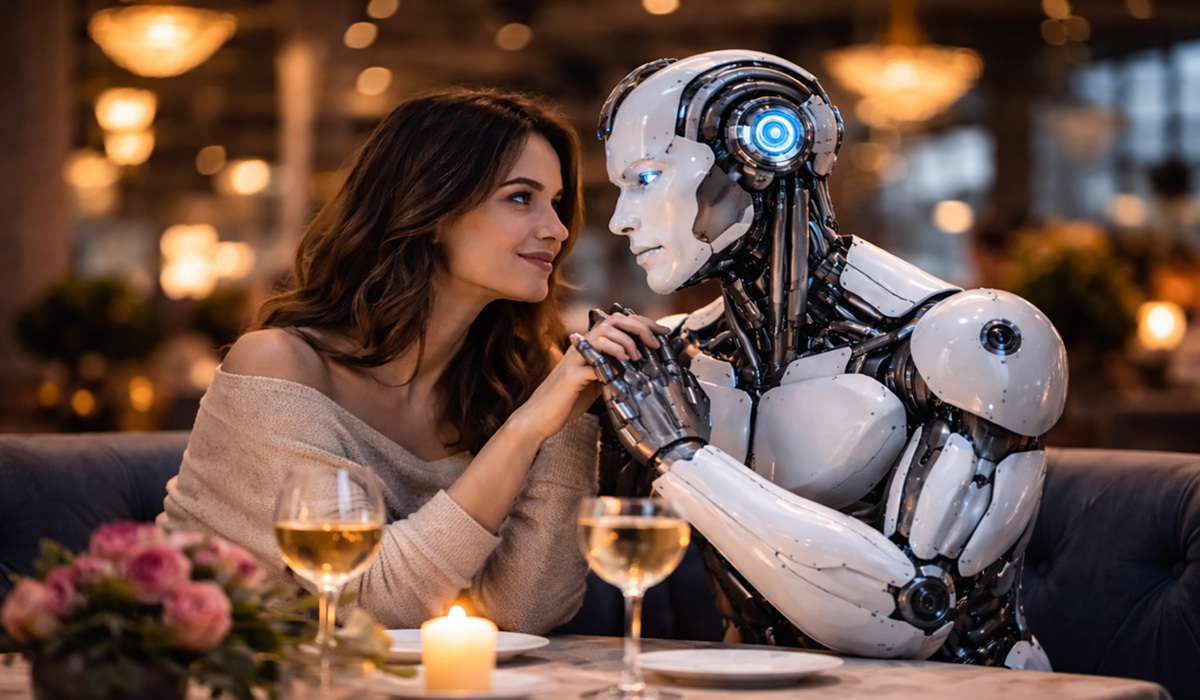
Despite these concerns, the technology continues to evolve rapidly. Robotics companies are developing humanoid machines capable of facial expressions, gestures, and voice interaction. Meanwhile, purely digital companions—existing only as software—are becoming increasingly sophisticated through improvements in language models and behavioral algorithms.
Artificial companionship may eventually take many forms. Some systems will likely focus on practical roles, assisting elderly individuals who need reminders, conversation, or basic household support. Others may serve as educational tools, helping students learn languages or complex subjects through interactive dialogue. Still others will exist primarily for emotional interaction, offering a listening ear in a digital form.
The broader significance of this development extends beyond technology itself. Human beings have always formed emotional bonds with objects that display personality, from fictional characters to pets and even inanimate possessions. Artificial intelligence simply pushes that tendency into a new realm where the object can actively respond and evolve.
Whether society ultimately embraces or resists artificial companionship will depend on how these systems are designed and integrated into daily life. Technology has repeatedly reshaped human relationships, from the invention of the telephone to the rise of social media. Each transformation initially sparked discomfort before gradually becoming part of everyday existence.
Artificial companions represent another step in that ongoing evolution. They challenge traditional definitions of connection and force society to reconsider what it means to interact, to listen, and to be understood.
The machines themselves may never truly feel emotion, but the emotions they evoke in people are undeniably real. And in that strange intersection between code and human psychology, a new chapter in the story of technology is quietly unfolding.
About The Author