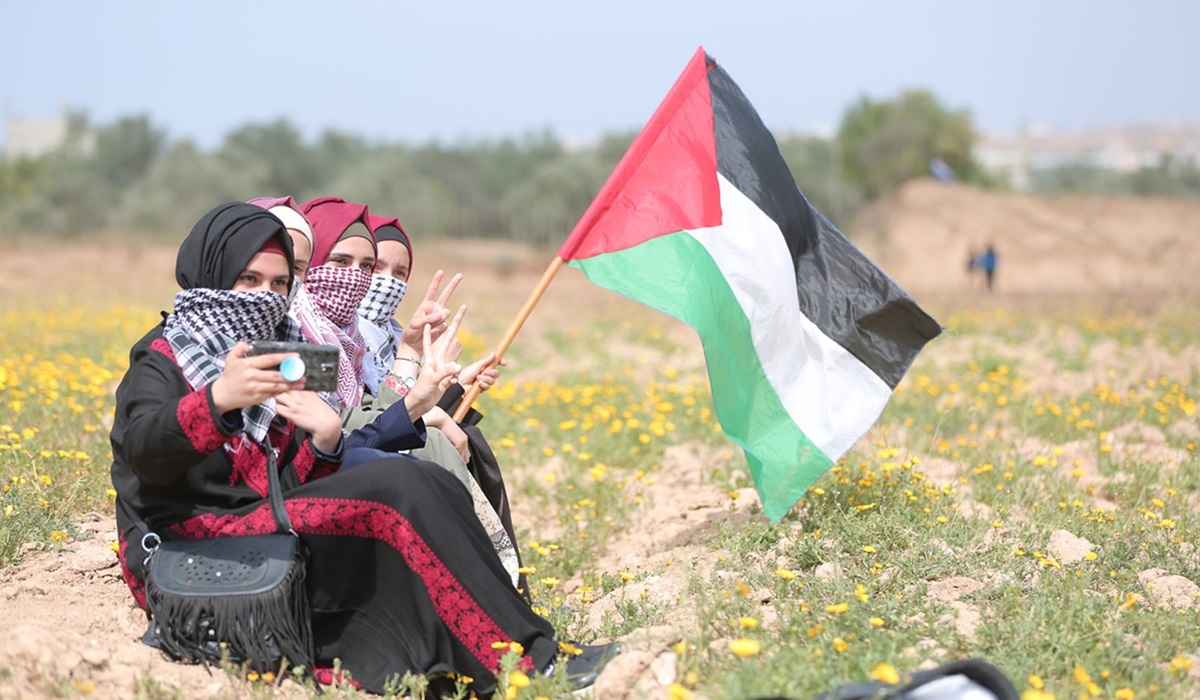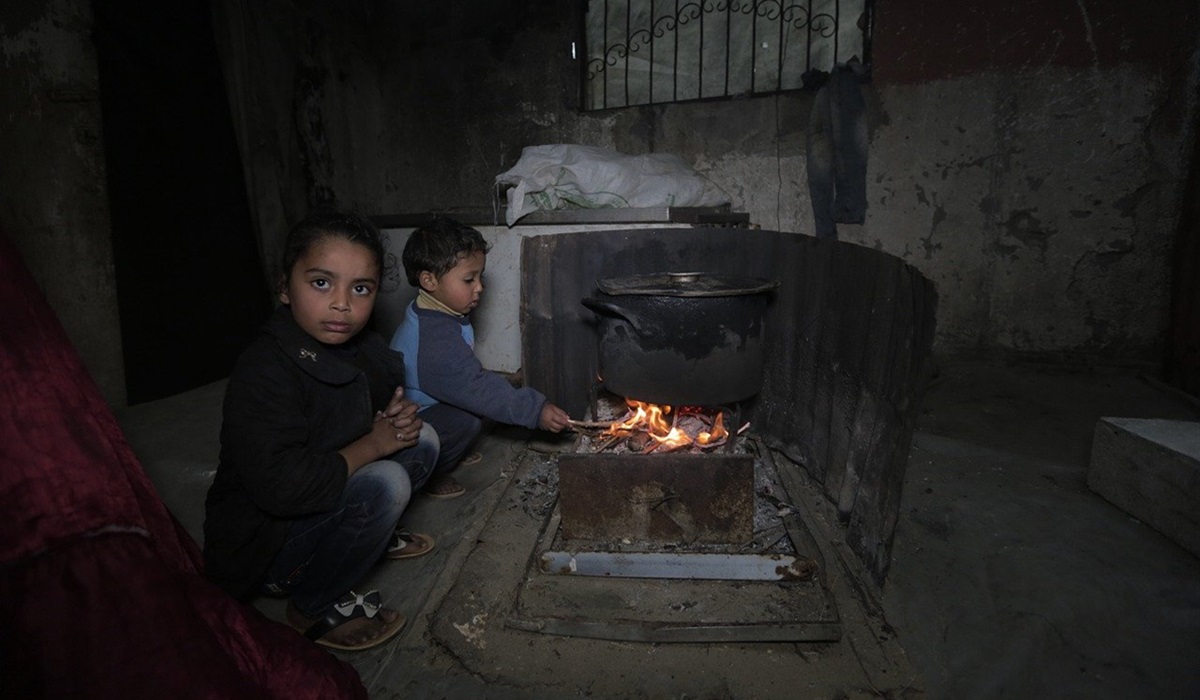
“The Queens of Sorrow ran in all directions.”
The sun had just risen in the bright Lagos sky when Mama Okon arrived at the Tollgate, a bespectacled old woman with wrinkled skin the color of black shoe polish. She was dressed in a charcoal-black gown, a small corn-white handbag seized in one palm while bearing a sizeable banana-yellow placard in the other hand. The three sentences on it were written in misshapen red letters. They read: “where are our children? Who took them away from us? We want to know.”
Mama Okon and other weeping women needed answers because it was almost three weeks since October 20, and many children had still not returned home from Lekki Tollgate where a bloody protest had taken place. And mothers had searched for missing loved ones at several city police stations. But their expeditions to holding cells and underground torture chambers had yielded no results.
Mama Okon was part of the Queens of Sorrow, a non-governmental organization for widows in the slumps of Maroko, Lekki. Jaje, an energetic young graduate who coordinated activities at another Charity for adolescent girls, had found a way to connect with her. She also associated with other women with missing children in the lead-up to this protest. The old woman had embraced Jaje as the daughter she never had and, in turn, Jaje had taken to the old woman as the mother she never grew up to know. Jaje’s mother had died at childbirth in a government hospital after public power suddenly went out during post-partum medical procedures. Mama Okon had found sorrow after her husband slumped and died. He was waiting under a sweltering Lagos sun for overdue pension payments at the old railway compound at Ebute Meta. Two years later, his legal entitlements hadn’t still been paid to his grieving old wife.
Vehicles passed through the plaza without stopping to pay toll at the ticketing booths. Few people noticed the woman when she arrived. But those who had seen her quickly made short videos and took photographs with cell phones. Soon, the images would flood the internet. The workers at the toll plaza had still not resumed after the protests that had rocked the place some days earlier. And many motorists drove through with ticklish sensations in their bodies over the free ride at the toll point. Perhaps, the government had decided to pay a little homage to the memory of the dead, missing, or injured. This was the sentiment held by many people. That was considerate thinking on the part of the authorities, many held. Some were excited that they were not paying fees to use the road because they felt the government had already taken enough away from them. These people were some of the city’s poorest inhabitants, but the government didn’t feel that way. Each side had its own arguments over the existence of the plaza. But neither side had won the other over just yet. So, the toll plaza had remained without government control for some time.
The old woman scanned the area for a comfortable place to sit and soon found one quiet spot on a curb. She began chewing on some unseen kola nuts hidden in her jaws. Her wrinkled jaws moved like the rugged wheels of an old steam locomotive, yet, some tiny bits got stuck between her teeth. Mama Okon dug her index finger into her mouth. She then positioned the kolanut bits well before chewing on them once again. The old woman balanced the headgear on her graying mass of hair with her frail left hand, crossed one small leg over the other, and chewed harder on the bits of kolanut in her jaws. She didn’t expect to wait long for other wailing mothers to join her at the plaza. They had all agreed to turn up at the Lekki-Epe expressway as early as possible. They would come anytime soon, mothers who had lost children in the earlier protest and widows from her organization. Mama Okon’s cell phone rang. She fished in her handbag for it, stared at the phone’s screen, and smiled, adding more lines to her aging, sun-burnt face.
“Hello,” the old woman said. Her voice was crusty, heavy with the burdens of her recent years in sorrow. “When are you going to be here, my dear daughter?” She waited a few seconds to sail by and added, “I have been here for some time, and I can’t find any other person. Is it that the protest is not going to hold any more?”
Jaje was at the other end of the telephone conversation. She assured Mama Okon they would be with her at the earliest possible moment. They had been held up in the countless traffic snares in the city. But she was confident they would find a backstreet around where they were and drive straight to the meeting point.
“We have some mothers with us. More will join us later. Surprisingly, some people around my neighborhood have volunteered to join us in asking for the missing children.” Jaje explained. She sounded confident, her voice bouncy and full of colors. Her spirits had dampened after the events around the last big youth gathering. But now, she had some of the arrowroot she needed back and was excited to take up the cause of those who could not speak all by themselves. She had done this all her days on campus and felt no physical strain.
“I am feeling lonely already. Please do all you can and come around on time.” Mama Okon pleaded with Jaje. “I just saw a police van passing by. But I don’t think the officers noticed me.”
“Are you holding your banner up?” Jaje asked.
Mama Okon said she wasn’t displaying it just yet. And Jaje told her that was a wise thing she had done. There was no need to create a scene since she was the only one out there. The police would quickly sweep her into their van without anyone noticing the arrest. The old woman said she had turned the placard on its face and was safe where she sat.
“We will be there in no time,” Jaje assured Mama before going off the line. But she was worried about her safety. Her arrest would derail their plans for the day. She hoped and prayed for her safety. “Dear God, protect Eka Okon from the eyes of her oppressors,” she begged.
Mama Okon believed other protesters would come to her. Her sagging spirits felt energized at once. And as if to celebrate the assurance received from Jaje, she opened her bag and popped a bright pink kola nut, chewing and waiting. And come to her, Jaje and the others did!
The women wore bright black gowns and arrived at the scene singing protest songs and choruses of bereavements from inside a rented, rickety Danfo bus. The overworked vehicle labored with thick black smoke under the weight of its excess passengers. They could not afford any better than the old yellow-and-black painted Volkswagen commercial buses, which were hits among the city’s reckless bus drivers. The government had spent months trying to get rid of them. Still, it hadn’t yet successfully completed its urban transportation renewal program. Those buses were still the signature face of commercial transport in the city, despite attempts to replace them with modern buses on some routes in the restless, grey, and smoky city. The Danfo buses were like gray hair strands on the city’s aging head. They had emerged and had refused to go away. After a clean haircut, more gray strands would appear when rested for a while.
The sitting old woman suddenly found renewed strength once she had seen her colleagues in sorrow pull over close to where she sat. Mama Okon straightened up. She took off her glasses and hugged many who went forward to greet her. She lived not far from the slumps behind the toll plaza and had found her way out of her living shack without much difficulty. The other women had been gathered by Jaje and one of the many activists who had taken part in the earlier protest gathering at the infamous toll plaza. All the women had been assembled at Oshodi on the mainland and Obalende on the island part of the city. The leader of this protest was a young university graduate. She was the organizing secretary of the community organization and had termed the swelling gathering “the mother of all protests.”
Jaje had put the word out on social media. There was going to be a new protest at the plaza over missing children from the night of 20 October. But no one in government had taken her seriously. Authorities believed the masses were still frightened and would never turn up for another protest when the possibility of the security agencies breaking them up was real. They had shown this behavior earlier. The government had applied force where the people had expected empathy. But Jaje was not one to be pessimistic about a cause. She had steeled herself for government repressions from her days at the University, where she had been part of the student union government of her school. She had spent extra semesters in school because she led several campus protests. Jaje had slept in the city’s notorious police cells overnight for her campus activism. She had since lost the fear of government, the oppressor, and state-sponsored evil. She believed motorists and pedestrians would join in on the protest once people saw them marching, singing, and performing social rituals around the spots where some children had gone missing. People would swell the ranks of the gathering. She believed many still had some of the earlier starch from the October mass action. And join them people did!
Many passing people recognized Jaje from the earlier protest in October. Her presence there had given firm wings to the gathering. And news about the protest had sailed across many borders, with many recognizing her as the girl with the shaven head. The security agencies had also placed her somewhere in their black books. She had been a force to reckon with in October before the army broke up what many historians believed was the most significant youth protest in the country’s history. Cars and commercial motorcycles began parking close to the placard-carrying women. Horns began to honk wildly like a gaggle of geese landing on a warm shoreline. There was a ban on commercial motorcycles in the city center. Still, the ban was poorly enforced by the anti-Okada task force the government had recently set up.
The motorcycle riders saw this protest as a way to air their rejection of the government’s ban on their operations. No alternatives had been put in place, and they felt cheated. So, they began calling out to their colleagues, who soon overwhelmed the gathering as they emerged from their lairs like an unending column of African legionary ants. A large crowd of protesting people quickly formed behind the women carrying the placards with various inscriptions. Jaje grabbed the megaphone with her right hand and stood in front, while her other fingers were clenched in a dramatic protest fist. She raised a familiar song that was well-known to everyone who had taken part in a labor or student protest in the past. “Solidarity forever, we shall always fight for our rights,” the mothers of sorrow sang, and everyone sang along with them. It didn’t take long before a traffic gridlock formed at the Lekki tollgate.
***
Superintendent John Balogun, the Divisional Police Officer at Maroko police station, was not a particularly tall man. And that wasn’t his only prominent feature. He was also a grumpy and oppressive aging man who had no time for young people occupying the streets of his domain. He had shown some of his impatience in the previous month when he personally led a detachment that broke up a small group of protesters in the slumps of Maroko. The organizers learnt a bitter lesson and fled the shanties to join forces with other activists and protesters at the central plaza, where it was difficult to get hurt without press cameras not knowing about it.
Superintendent Balogun was about to drive out of his station when his radio crackled on the dashboard of one of the station’s patrol vans. He heard the call sign and listened to the signal. Metro patrol teams had run into the protest at the Toll plaza, and the team reported that the crowd was spiraling out of control. He got out of the car, went into the station, changed into his blue camouflage riot gears, and assembled an anti-riot squad within minutes. Mobile police forces at the station had been on high alert since the once dreaded anti-robbery squad had been disbanded. Supo Balogun got in the front seat of a black Toyota Hilux van and led his protest-bursting squad from the front. He quickly called Area Command and asked for help with one of their armored water cannon trucks. His request was granted. The Area Commander offered to send down two trucks to meet with them at the rendezvous point. Five other vans followed behind him in the lead vehicle. All the vehicles were filled with the gun and baton-wielding policemen, their faces covered with anti-teargas masks. The DPO had wanted another opportunity to show his bosses his anti-protest skills. And he had just been presented with one when he was about to go get something to eat. He was already edgy over the action waiting for him at the plaza. This was a man who derived emotional kicks from squeezing the trigger of his guns. He was always in an emotional mess without his service pistol beside him. Supo Balogun touched his holster and felt his sidearm in its leather jacket. He got a fresh dose of adrenaline coursing through his veins. He found his police duties boring whenever he was at the station, but busy crime scenes made him feel youthful despite the few years he had left in the service of the police force.
“Fire this damn thing! Supo Balogun charged at the driver behind the steering wheel of the Hilux van. “Abi fuel no dey for this motor ni? Wetin come dey worry you this morning? See as you dey drive like say na small pikin you be.” His eyes blazed with fury, his budding paunch heaving restlessly. He took off his dark eyeglasses in a moment of unbearable irritation. “You want those little rascals out there to burn down this beloved city abi? Is that it?”
“No, sir!” The driver said. “The van is in order.” The young officer explained. “I just dey watch the potholes wey full for the road. And I full the fuel tank this morning.” He said in pidgin.
“Then move this thing like a man. Nobody can arrest you for over speeding. We are the law.” He thundered into the ears of the driver. “Na we get this country, abi you no know before?” he asked and rested his right elbow on the wound-down glass by the door, his pride washed over his face. “I want us to get hold of the leaders of this new protest. Those miscreants must not slip through our fingers today. I will teach them lessons they will never forget. They will not undermine this government.”
“Yes, sir.” The driver looked outside his window and then spoke to the officers in the back of the van. “Make una hold the rails well. I want to fire ahead now.” And then the man nodded and did as his boss had ordered earlier. Supo Balogun couldn’t wait to get to the Lekki Tollgate plaza. And get there, he did!
***
The whole place was now impassable to vehicles both inward and outward of the Lekki tollgate. Social media had seen images of the all-black women, and many people had joined them in asking questions about the missing children. Mama Okon’s iconic placard became a hit on social media platforms. Some even replaced their avatars with images of the old woman from the protest venue. Social media users encouraged those living within the axis of the toll plaza to join the women and motorcycle riders in protest. It was a daylight demonstration, and it would be difficult for the authorities to break up the gathering with force in the full glare of cameras. The ghost of October had risen once more in broad daylight behind the emblem of the women of Lekki tollgate. Social media messages had new trending hashtags, #womenoflekkitollgate, #queensofsorrow.
The aggrieved motorcycle riders tried to lay claim to the protest. Still, it was impossible to outdo the motifs of the grieving mothers in their black gowns and touching messages scrawled in distorted letters on colorful cardboard papers. So, the motorcycle men were in the shadows, behind the more organized mothers. The old women were guided by Jaje’s learned activism, protest skills, and calculated exuberance.
Supo Balogun and his angry squad drove into this youthful rendezvous of angry people. He initially found it impossible to make way for his team in the maddening crowd. But he eventually got to the head of the protest. The crowd parted as though it were Moses dividing the red sea, anxious children of Israel behind him, fearful at first, to follow him to safety.
Jaje and the women saw Supo Balogun approaching them but pretended he meant nothing of importance. Jaje was used to this kind of show of disproportionate force. Her black T-shirt was soaked in sweat and water she had poured over her glistening head in the risen Lagos sun.
Supo Balogun and three officers got close to the women. But at that moment, their wails rose as though piercing police electronic sirens. Some women rolled on the ground as though wheels let loose from vehicles in motion on the highway. They moved back and forth, hands spread out in the air, in a wild display of helplessness. They stopped a few feet from the enraged police officer. A wild temptation to kick one of the ladies possessed him, but he couldn’t do that in the full glare of everyone.
Supo Balogun beckoned Jaje over for a conversation. She approached him with trepidation, fully aware that he had a reputation for being ruthless with protesters. A killer cop with official protection, Jaje thought to herself.
“I need to speak to you right now,” Supo Balogun said to Jaje. “This is an illegal protest. You need to get these women out of here right now, otherwise I will double your sorrow.”
Jaje looked at Supo Balogun through his glasses and then locked eyes with him. “Why would you do that to innocent women, ordinary protesting people?”
“There is no legal police permit for this public gathering. You are painting the government of the day in bad light. The international media is watching. You are pursuing potential investors from the country.”
Jaje managed a sarcastic smirk. The government was already terrible even without the queens of sorrow amplifying it. “Oga officer, we don’t need police permission before we can ask for missing children.” She pointed to Mama Okon’s placard. Other women raised theirs up as well. “We simply ask for our missing brothers and sisters who were here some weeks back. We need answers here and now. These children have been gone for too long. We can’t go on living without them as if our collective conscience is not troubled.”
“There are better ways to do this,” the policeman said.
“You make it impossible for us to do otherwise. Besides, the law is on our side regarding this protest. We are in a democracy.”
“You cannot teach me the law. I am the law. I repeat. This protest is not allowed.” The DPO insisted, his hand caressing his sidearm as if to be sure it was still there. But it was a gesture meant to instill fear into Jaje. He was telling her that he was armed and would use it. The trio behind him had their dreadful tear gas guns pointed towards the sky, their weights shifting from one foot to the other, their fingers itchy to squeeze hard on the triggers of their weapons. And they would soon have their way, to shoot and to kill.
The crowd hadn’t stopped howling. Supo Balogun kept persuading Jaje to dissuade the women from singing. He pleaded that they allowed traffic to flow freely through the toll points. But his persuasions fell outside her ears.
“We are within our rights to be out here.” Jaje insisted. “This is a democratic state. The military days are long gone.” She reminded the police boss. “We have not broken any laws,” Jaje said in a deeper voice.
“But you have constituted yourself into public irritation. You are disturbing public peace. You have now lost that right to be here, you and your band of miscreants.”
“The public is with us. The people are not complaining.” Jaje pointed to the riotous gathering. She spoke into her megaphone. “My people, any wahala dey for here?” She asked.
The crowd cheered in various voices of excitement. Apparently, there was no trouble at Lekki tollgate. “Soro soke, werey,” Jaje commanded. And the crowd erupted in various chants of joy. They had indeed spoken up, as she had demanded. No one in the gathering cared about being labeled crazy because the convivial mood in the protest was self-evident. Jaje returned to speaking to Supo Balogun. She was relishing the euphoria of the moment as well.
The police officer had seen and heard enough of Jaje and her band of women in black. He had to find a way to teach them a lesson. He spoke into his walkie-talkie handset. He gave his call sign, asked about the water tanks’ location, and learnt that they were held up in traffic. But they were making a little headway towards the meeting point. Supo Balogun made his way to the back of the crowd and noticed that news crews had arrived on the scene. He got irritated further. Some in the press corps knew him and made to approach him, but he had no time for conversations with any civilian. He cared less about what the papers would say about him since the police force would protect him at all cost. He turned his back to the cameras and got into secret talks with his men. Supo Balogun was still in conversation with his colleagues when he heard the sirens from the armored water tanks. That was the cue he had been waiting for. He broke from his conference, pulled down his gas mask, and then beckoned two officers to shoot tear gas canisters into the Lagos sky. And then there was pandemonium at Lekki tollgate.
The motorcycle riders got on their motorbikes and zoomed off. The Queens of Sorrow ran in all directions. Jaje joined them as well. They had prepared for this sort of reaction from the police.
***
Supo Balogun marched ahead. “Get that girl with the clean-shaven head.” He charged and then shot into the air as he searched for Jaje in the crazy columns of hazy smoke and dust rising steadily into the Lagos sky.
But Jaje was a skilled protester. She had gathered some women under her wings, and they had disappeared in the hurting grey haze of teargas. Mama Okon knew the sinuous trails of the Tollgate, the roads less taken, and she would lead them to the safety of her shanty in the ghettoes of Maroko. She ushered them around, moving lithely, with the sinuous grace of a fat house cat showing a visiting one around the large house she lived in.
“This way,” Mama Okon said to Jaje. “Come with me, all of you. We will be fine,” she assured them. “We must stay alive for our children. Tomorrow is another day.”
“Yes, it is,” Jaje said. “But why do they keep doing this to us?” No one in the group of fleeing women gave her a response.
Jaje and the women moved faster. The armored water cannons were hot on their heels.
The women showed no signs of slowing down.
Image credit:pixabay
About The Author