Land, Memory, and the Quiet Devastation of Losing Home
- TDS News
- Middle East
- Tiger's Eye Advisory Group - Trending News
- May 10, 2021
By: Donovan Martin Sr, Editor in Chief
Image Credit, hosnysalah
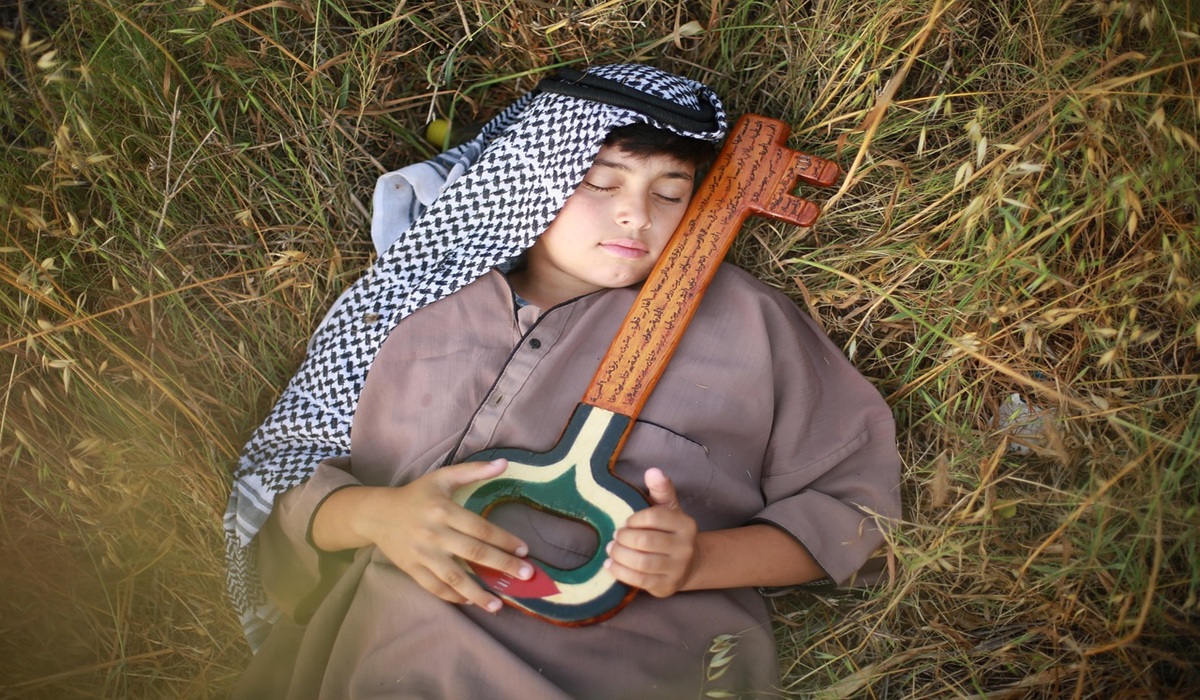
The story of Israeli settlements in the West Bank and historically in Gaza is often told through maps, statistics, and diplomatic language, but the reality is far more intimate and deeply human. Settlements do not simply expand onto unclaimed land. They expand onto the spaces where Palestinian families have lived, worked, and built their identities for generations. The loss is not theoretical; it is lived in the tremor of a bulldozer approaching, the cold issuance of a demolition order, or the bewildering moment a family learns their home is suddenly considered illegal by a system in which they have no voice.
Home is supposed to be a place of belonging, a sanctuary where memories are made and futures imagined. For Palestinians, that sanctuary is often precarious. A family may build a house with proper materials, cherish it for years, raise children within its walls, and still be told one morning that it will be torn down because it lacks a permit that is nearly impossible to obtain. Others may watch settlers arrive with legal documents issued by a government that does not recognize their rights, and in a matter of days, the land their ancestors cultivated becomes fenced, guarded, and claimed by someone else. The contrast is stark: one population encouraged to build and expand, another punished for attempting the same.
For Israelis who arrive under the banner of birthright, the process feels like a homecoming—a return to land they are taught belongs to them by heritage. But homecoming for one can mean displacement for another. A vacant home is rarely truly vacant; it belonged to someone, held memories, and provided stability. To step inside a house that someone else was forced to leave is to inherit a narrative of pain that cannot be erased by ideology or paperwork. It is a truth that few who benefit from the settlement system confront directly, yet it echoes loudly in the lives of those who were dispossessed.
The emotional toll of losing a home is immeasurable. It shatters the foundation of security, disrupts generational continuity, and leaves behind a silence filled with what-ifs. The world sees footage of demolished houses or newly erected settlements, but rarely does it sit with the intimate details—the child whose bedroom vanished in an afternoon, the parents who spent decades saving for a home only to see it bulldozed, the elderly man who planted trees that will never grow old. These stories carry a quiet devastation, one that is often overshadowed by political rhetoric and diplomatic posturing.
The administrative language surrounding settlements tries to sanitize the injustice. Terms like zoning, legal status, and security needs are used to justify actions that lead to profound human loss. But language cannot soften the reality for those who experience it. When a house is destroyed, the debris is not merely concrete and dust; it is the physical collapse of personal history. And when a settlement expands, it is not a neutral development; it is a transformation of land that once held someone else’s life.
The world frequently debates borders, treaties, and political frameworks, but the truest crisis is the erosion of home as a concept for an entire population. A home is not simply a building; it is a tether to identity, community, stability, and belonging. When that tether is severed repeatedly across generations, the psychological impact is profound. People grow up expecting loss, anticipating displacement, and bracing for the next announcement that the land beneath them may no longer be theirs. This normalization of insecurity is one of the deepest wounds the conflict perpetuates.
And yet, even in the face of such loss, Palestinians rebuild when they can. They plant new trees, repair damaged walls, and attempt to reclaim small pieces of what was taken. Their resilience is both inspiring and heartbreaking; it speaks to a determination to remain rooted even when the ground itself feels unstable. The world may continue to negotiate political frameworks, but until the human cost is acknowledged fully—until the loss of home is treated as the profound violation it is—there will be no lasting peace, only the continuation of a cycle that strips people of the most basic element of dignity: the right to stay in the place they call home.
About The Author