Xiaomi’s EV Strategy Raises Larger Questions for Canada’s Auto Future
- Maryam Razzaq
- China
- Trending News
- December 5, 2025

It became clear that Xiaomi’s transformation from a consumer electronics giant into a major electric vehicle manufacturer is not a side project. It is a strategic industrial priority backed by scale, speed and a level of technical integration that is reshaping the global EV market.
When the company first opened preorders, it received two hundred thousand orders within three minutes. This level of demand reflects not only brand loyalty, but also the public’s growing interest in high performance electric vehicles that remain competitively priced. Engineers at the headquarters explained how carbon fibre is incorporated into various components to reduce vehicle weight and improve efficiency. Weight reduction is one of the more expensive challenges in EV design, and Xiaomi’s use of advanced materials signals a commitment to performance rather than simply affordability. Xiaomi’s newest model, the YU7, represents the latest stage of this expansion.
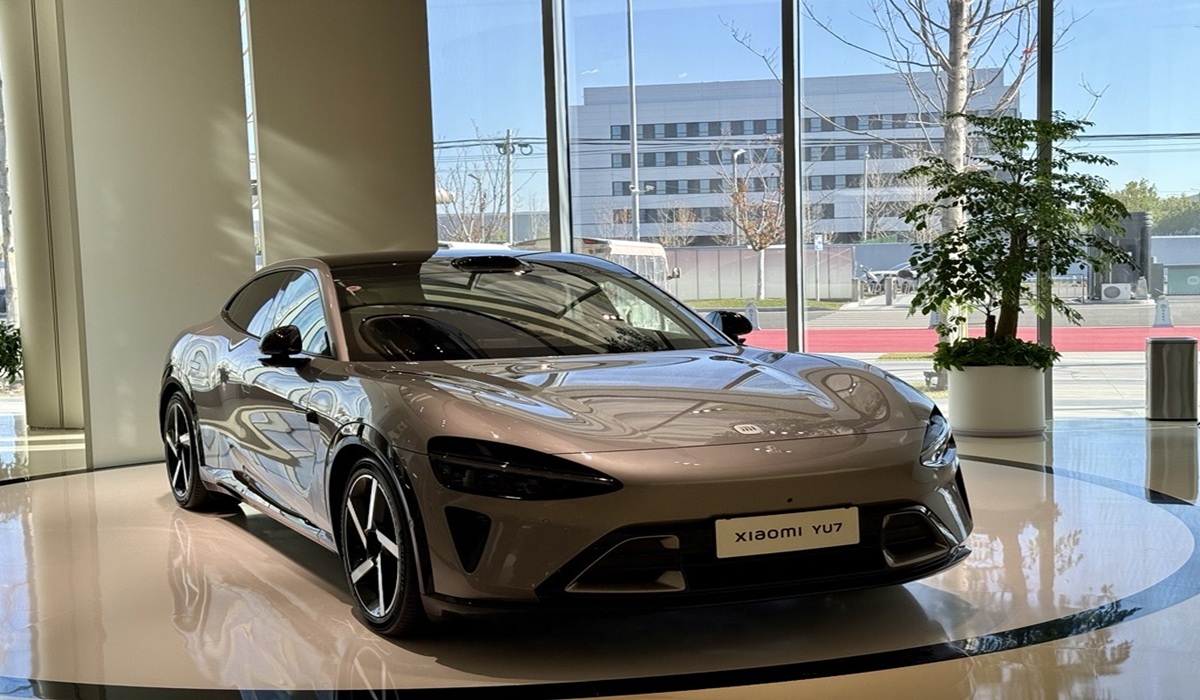
The YU7, part of Xiaomi’s rapidly growing EV lineup, designed for efficiency, speed and large scale production.
Production capacity is another area where Xiaomi is moving rapidly. According to staff at the facility, the company is now developing roughly forty thousand vehicles per month. Few new entrants in the global auto sector have reached this scale in such a short timeframe. This output also gives Xiaomi leverage in reducing manufacturing costs and refining battery integration, software systems and overall vehicle performance. Their performance figures support this claim. The company promotes acceleration from zero to one hundred kilometres an hour in about two to three seconds depending on the configuration, a benchmark that positions Xiaomi among high tier EV producers rather than entry level manufacturers.

Inside one of the Xiaomi’s vehicles – the main screen integrates driving data, media and smart system features.
The question for Canada is how to position itself in a world where companies like Xiaomi are becoming central players in the EV transition. Current tariff policy makes importing Chinese made EVs financially unrealistic for consumers and limits the ability of Canadian industry, researchers and policymakers to build productive relationships with emerging leaders in the field. While the intent of Canada’s tariff structure is to protect domestic jobs and supply chains, the long term cost may include reduced access to innovation, slower consumer adoption and a weaker understanding of the technologies shaping global competition.
Canada faces a strategic dilemma. Climate policy encourages rapid electrification of transport, yet trade policy restricts access to some of the most advanced and affordable EVs on the market. Rather than isolating Canadian consumers and industries from major producers like Xiaomi, a more constructive approach could focus on building cooperative ties, facilitating research partnerships and exploring local assembly or joint ventures that secure domestic benefits without closing the door to global advancements.
The success of Xiaomi’s EV division illustrates how fast the sector is evolving. In less than two years, the company has demonstrated an ability to scale production, integrate advanced materials, and deliver high performance vehicles at prices that challenge long established automakers. Ignoring this shift will not stop it. Engaging with it, however, could give Canada a stronger place in the future of sustainable transportation.
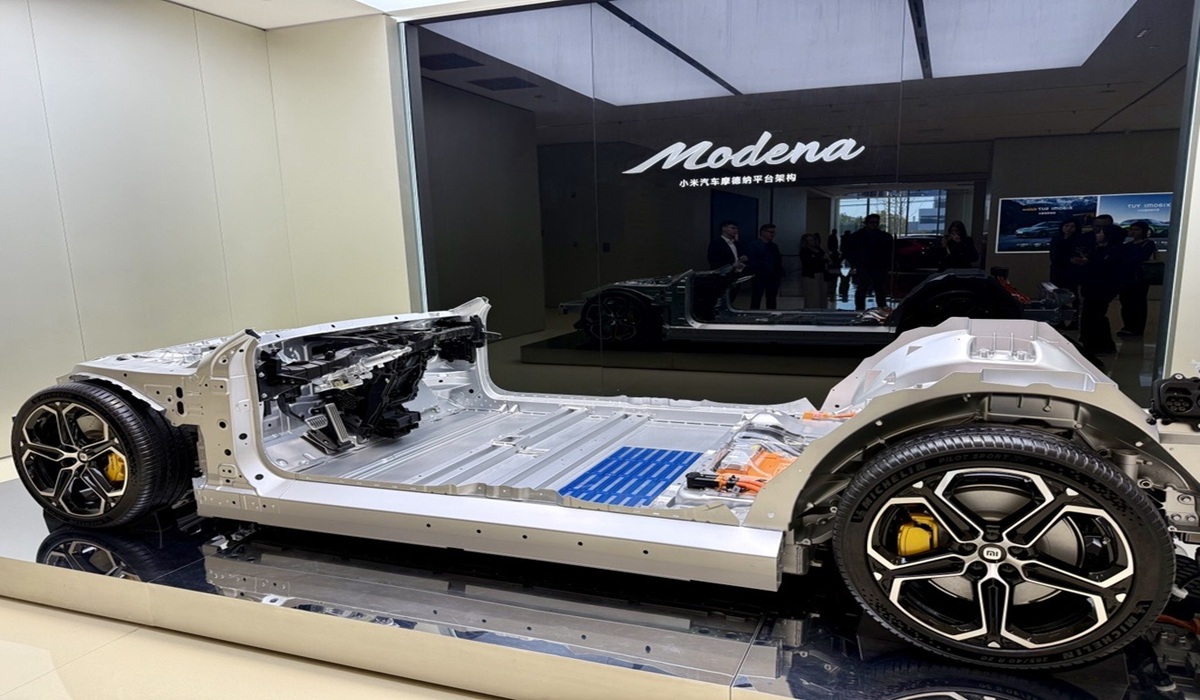
A look at Xiaomi’s Modena chassis, highlighting the integrated battery pack and carbon-reinforced design elements used to reduce overall weight.
Written by: Maryam Razzaq
About The Author