Winnipeg’s Transit Crisis: A City Held Hostage by Broken Routes and Broken Systems
- Don Woodstock
- Canada
- December 7, 2025
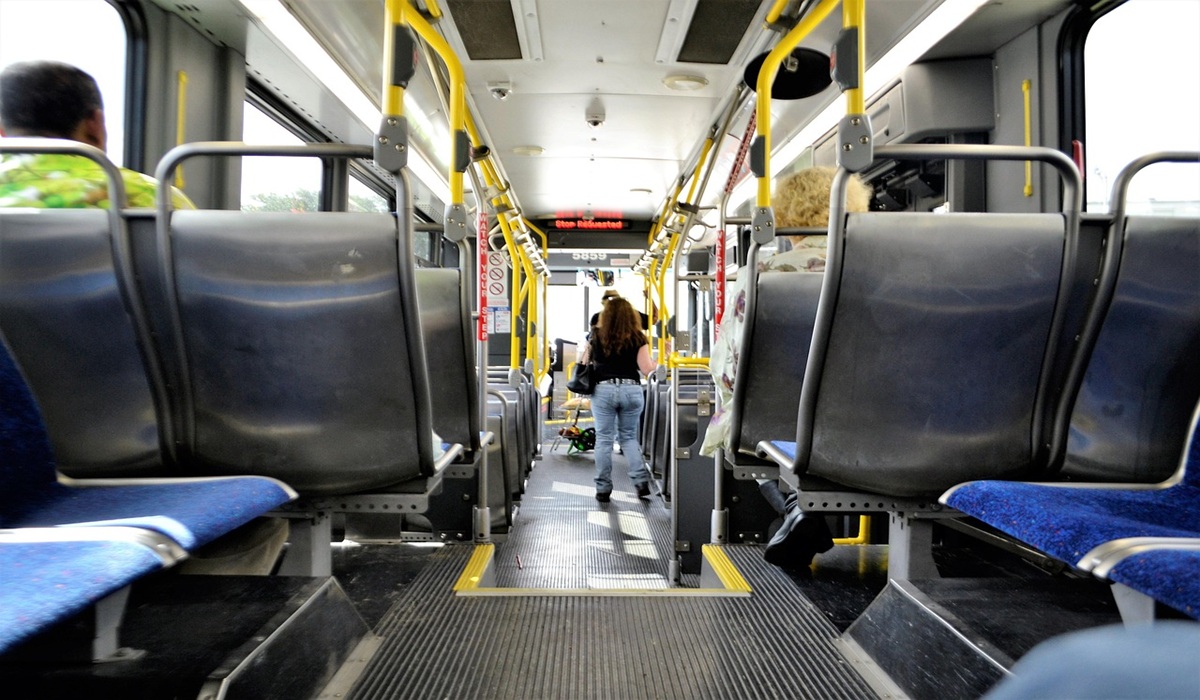
Image Credit, ArtisticOperations
Winnipeg does have a route problem. Let’s start there, because Winnipeggers have been saying it loudly and consistently. When riders are being left behind, when buses are packed beyond capacity, when parents watch their children miss the morning bell because three full buses rolled past them in a row, that is a route problem. When seniors wait in the cold—sometimes for forty minutes—because the line they relied on for years has been cut, shortened, or altered beyond recognition, that is a route problem. When an entire city begins rearranging its daily schedule around the possibility that transit simply may not show up, the issue is undeniable.
We do not get to pretend otherwise. The people of Winnipeg have already given their verdict.
But the heart of this crisis is not simply the design of the routes; it’s the reasons behind why those routes were changed in the first place. Routes were cut and amalgamated because Winnipeg Transit does not have enough drivers to operate them. It is that simple. And instead of fixing the staffing crisis, the system tried to redesign itself around the shortage. The result has been a network that no longer reflects the needs of the city, and a public that is understandably frustrated.
The problem is not theoretical. It plays out every day. For years, I’ve watched the workforce shrink. Good drivers leave after six months. Some don’t make it past probation. Others stay a bit longer, hoping conditions will improve, until the daily grind—the disrespect, the pressure, the safety risks, the emotional toll—pushes them out. I know this world well. Between my wife and I, we’ve given almost two decades to transit. We’ve sat in that seat, driven those roads, felt that tension in the pit of the stomach when a route turns into a pressure cooker. And we’ve watched colleagues walk away because the system was no longer sustainable for them.
The staffing crisis and the route crisis are not separate problems—they are the same problem expressed two different ways.
This is why I have long advocated for a stronger safety presence on buses. Safety is not a side issue; it is one of the main reasons drivers leave. Plainclothes police officers—people with full authority to intervene when situations escalate—should have been part of the strategy years ago. Peace officers can only do so much, and their hands are limited by legislation. Uniformed officers help in the short term, but the moment they step off the bus, the deterrent effect fades. Riders know this. Drivers know this. The system has known this.
You cannot retain drivers when they do not feel protected.
At the same time, we now know an outside consulting firm played a major role in shaping the new route design. There is nothing inherently wrong with hiring outside expertise. But local knowledge is not optional—it is essential. When the people making recommendations do not live here, do not ride the buses, do not stand in minus thirty windchill in the dark hoping the next bus comes, they are missing the real Winnipeg context. They see data but not the lived realities behind it. And for a city like ours, lived reality is everything.
Meanwhile, winter has exposed the cracks in the system in the cruelest way possible. You can walk past bus shelters in January and see people sleeping inside them because they have nowhere else to go. The routes that remain are overcrowded. The ones that were cut have left entire pockets of the city more isolated. Transit is not just a service here—it is a survival tool. When buses don’t come, it isn’t merely inconvenient. It is dangerous.
And through all this, we continue to hear the same message from inside transit: there are not enough drivers. The turnover is relentless. The morale is low. And still, despite this crisis, we have supervisors—many of them—who are fully trained, fully capable of driving, sitting in expanded administrative roles while routes go unserved. This is not about blaming individuals. It is about asking whether the structure we’ve built supports the needs of the public in this moment.
We have a direct, immediate solution available: put trained supervisors and safety officers back in the driver’s seat until staffing stabilizes. Not as punishment. Not as demotion. As a temporary measure to get buses back on the road and restore the routes Winnipeggers are asking for. Let them keep their pay and their seniority. But let them also serve the public in the way the system needs right now. Because in a crisis, every seat matters.
A transit system cannot run without drivers. And a city cannot thrive without a functioning transit system.
This crisis goes beyond inconvenience. It touches safety, equity, economic mobility, education, and dignity. It affects workers trying to keep their jobs. It affects families trying to get their children to school. It affects seniors trying to maintain independence. It affects newcomers learning their city. It affects every person who steps into a shelter and hopes the next bus doesn’t leave them behind.
Winnipeg’s route problem is real. It is urgent. And it is solvable—if we stop pretending this is merely an operational hiccup and acknowledge the scale of the failure.
As a city, we need to rebuild trust. Riders need to know that the routes they depend on will return. Drivers need to know they will not be placed in harm’s way without meaningful support. And the public needs leadership that speaks plainly, listens honestly, and acts decisively.
The path forward begins with three commitments: restore the routes Winnipeggers have been calling for, rebuild the workforce that makes those routes possible, and redesign the management structure so it serves the public—not the other way around.
Winnipeg deserves better than the system it has right now. We can build something stronger, more resilient, and more humane. But first, we must accept the truth in front of us: the route problem is real, and it will not fix itself.
About The Author