Winnipeg Police Charge City Councillor Russ Wyatt with Sexual Assault of Male Acquaintance and Administering a Noxious Drug
- TDS News
- Canada
- March 25, 2026
By: Donovan Martin Sr, Editor in Chief
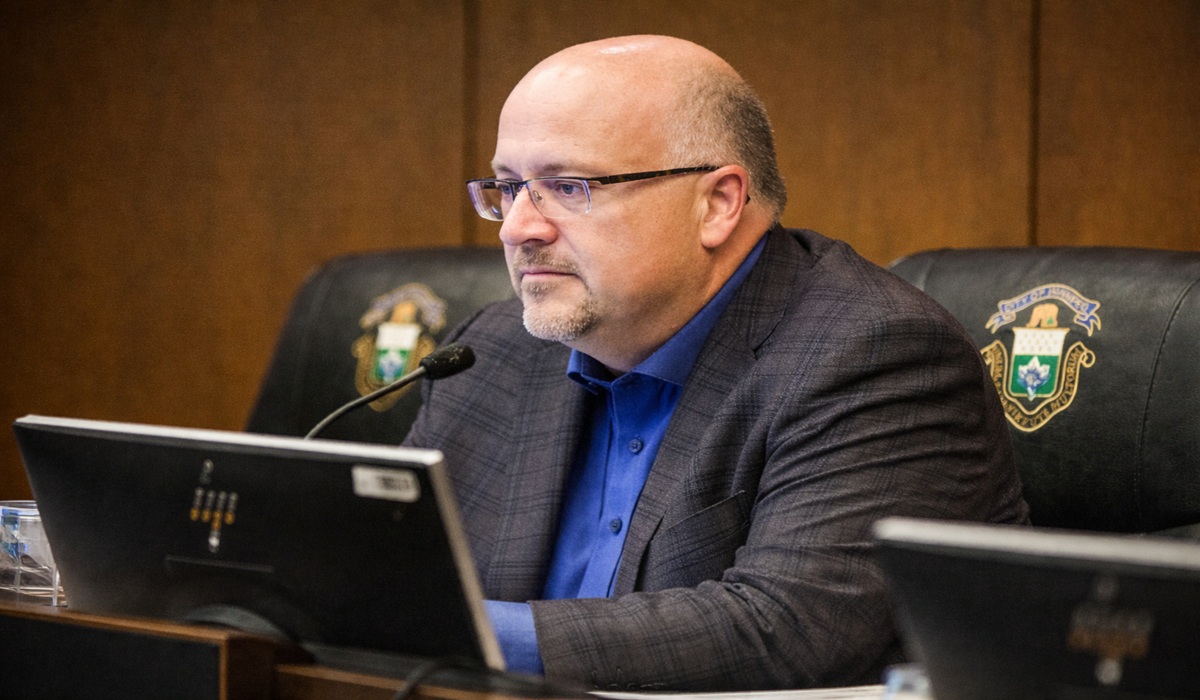
Russ Wyatt, a sitting Winnipeg city councillor, has been charged following a police investigation into a reported sexual assault, placing him back under intense public scrutiny at a sensitive moment in the city’s political calendar.
In February 2026, the Winnipeg Police Service’s Sex Crimes Unit began investigating after receiving a report from an adult male. According to police, the individual said he met another adult man through a social website in December 2025, and the two met in person on multiple occasions.
During one of those meetings, at a residence in the eastern part of the city, the complainant told investigators he was given an illicit substance and then sexually assaulted. After leaving the residence, he sought medical attention.
Following the investigation, police identified a suspect. On March 24, 2026, Russell George Wyatt, 56, was arrested and charged with sexual assault and administering a noxious substance with intent to aggrieve or annoy. He was later released on an undertaking.
Wyatt has stated he is innocent, and it has been indicated that all matters related to the case should be directed to his lawyer as the process moves forward.
The charge involving a “noxious substance” has drawn particular attention. In legal terms, it refers to administering something harmful or impairing to another person with the intent to injure, aggrieve, or interfere with them. In practical terms, substances described this way are often associated with impairing a person’s awareness, clouding judgment, or reducing their ability to respond. That is what makes this aspect of the charge especially serious, as it speaks directly to a person’s capacity to protect themselves in the moment.
This is not the first time Wyatt has faced a situation of this nature. In 2018, he was charged in connection with an incident involving a woman he said he knew. That matter did not proceed in court. While separate from the current case, it is part of the background now being revisited as the latest developments unfold.
It also comes during what has already been a turbulent stretch for Winnipeg’s city council, where controversy, criticism, and public frustration have not been in short supply. Against that backdrop, this situation lands as another blow to public confidence, reinforcing a growing sense among many residents that trust in leadership is being tested more frequently than it should be.
Beyond the details of this case, it has once again brought forward a wider conversation about power, responsibility, and the expectations placed on those in public office. Elected officials are entrusted with authority and visibility, and when serious criminal charges emerge, it inevitably raises broader concerns about conduct, accountability, and the standards expected of those who represent the public.
Don Woodstock, an upcoming mayoral candidate, addressed the situation with a focus on both the human impact and the responsibility tied to leadership.
“When you hear things like this involving victims and sexual assault, it is heartbreaking,” Woodstock said. “At the same time, we have to allow the legal process to take its course. But there is no question that we expect more from those who hold public office. People deserve to feel that their leaders are held to the highest standard.”
The timing adds another layer of complexity. With Winnipeg heading into an election year, it remains unclear whether Wyatt will seek re election. If he does, voters in Transcona will be left to weigh the circumstances carefully, alongside whatever outcome comes from the court process.
For voters, this is not a simple calculation. It becomes a question of judgment, trust, and how much weight is given to the legal outcome versus the broader context. Even before any conclusion is reached in court, situations like this tend to leave a lasting impression on the political landscape, particularly at the municipal level where relationships between elected officials and their communities are more direct and personal.
At the same time, the legal process remains central. Wyatt continues to deny the charges, and the case has yet to be tested in court. The presumption of innocence remains in place, and the outcome will ultimately be determined through the judicial system.
What is clear is that this case does not exist in isolation. It sits at the intersection of personal conduct, public responsibility, and the expectations placed on those who hold office. As it unfolds, it will not only determine the future of one councillor, but may also shape how voters across Winnipeg assess leadership, accountability, and trust at City Hall in the months ahead.
About The Author