Winnipeg Is Burning, and the Firefighters Are Burning Out — Who Rescues the Rescuers When the City Refuses To?
- Don Woodstock
- Canada
- December 8, 2025
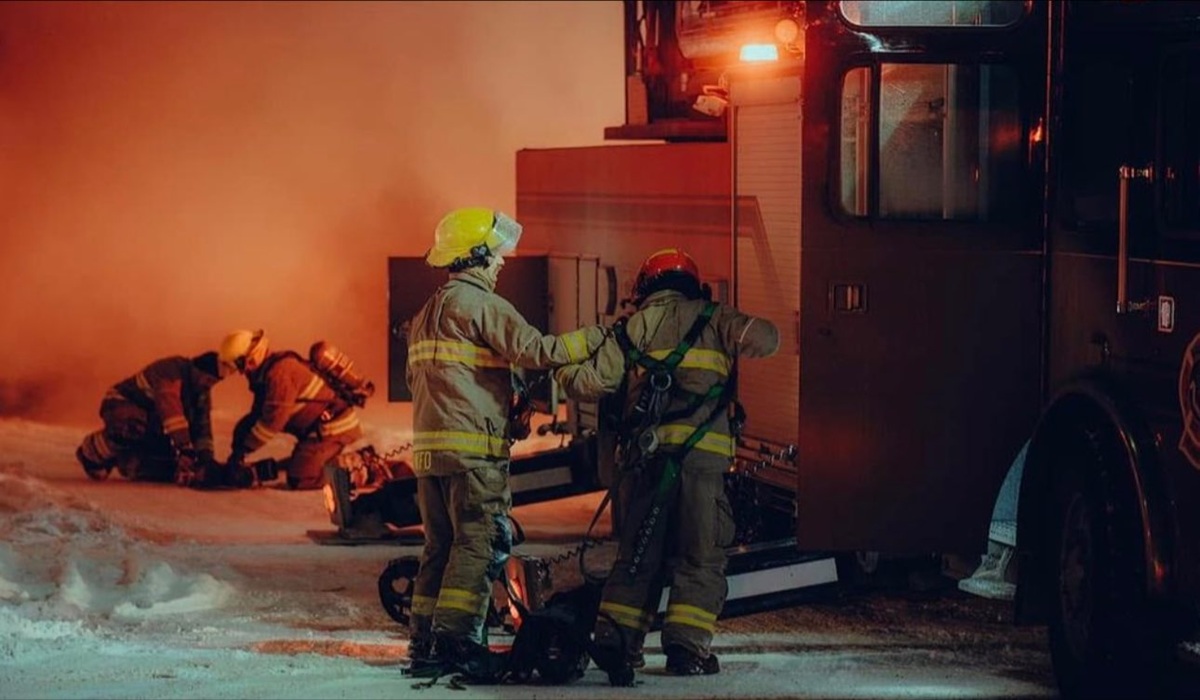
Image Credit, United Fire Fighters of Winnipeg, IAFF L867
I write this today not as a firefighter, not as someone who has ever stepped inside a burning building or felt flames licking at my gear, but as a Winnipegger who loves this city enough to grieve for it. My name is Don Woodstock, and this is a plea — quiet but urgent, somber but necessary — because something is breaking in Winnipeg, and we are all pretending not to hear it.
The newest city budget confirmed what so many feared: the City of Winnipeg approved hiring only ten firefighters next year. Ten. When the union, in desperation, asked for forty. When call volumes have exploded and fires have multiplied, and when even the safest neighborhoods feel one bad spark away from tragedy.
The firefighters — the people who already give more than their bodies can bear — responded with unmistakable clarity. The overwhelming majority rejected the city’s proposal. Nearly unanimous. If the very people we depend on in our darkest moments are saying “This is not enough,” then we owe it to ourselves to stop and ask why we are ignoring them.
For years now, the United Fire Fighters of Winnipeg have been warning us. They’ve shown us the numbers. They’ve shared the stories. They’ve repeated the same plea: We are understaffed. We are overwhelmed. We cannot keep doing this alone.
And for years, City Hall has looked away.
Every morning we wake to another headline: another blaze in the night, another vacant building engulfed in flames, another family displaced, another firefighter pushed beyond exhaustion. These aren’t isolated events. They are symptoms of a system in collapse.
Vacant structure fires alone have increased 245 percent since 2018. That number should terrify us. But instead of responding with urgency, the city has responded with restraint — as though fires wait for budgets to balance, or as though emergencies care about what quarter it is.
Firefighters today are not just firefighters. They are paramedics. Crisis responders. Mental-health first attenders. They deal with overdoses, violent incidents, wellness checks, freezing-weather rescues. They do the work of multiple professions, and yet they do it without the staffing levels those professions require.
And meanwhile, trucks sit idle because there aren’t enough hands to staff them.
But what breaks me most — what should break all of us — is the irony embedded in the numbers:
The City of Winnipeg is willing to spend millions of dollars every year on firefighter overtime… yet claims it cannot afford to hire the firefighters who would eliminate that overtime in the first place.
In a single recent year, overtime ballooned to more than $13 million, with nearly $7 million of that over budget. That is not a rounding error. That isn’t an oversight. That is a structural decision — a choice — to pour money into exhaustion rather than prevention.
It’s the kind of irony that would almost be poetic if it weren’t so devastatingly real.
To spend millions propping up a broken system rather than fixing it…
To exhaust people rather than hire more of them…
To fund burnout while refusing to fund relief…
This is not fiscal prudence. This is cruelty masquerading as budgeting.
And yet, City Hall finds money easily enough elsewhere.
There is always money for the Mayor and council to give themselves a pay raise because they see that as a priority. There is money for advertising. There is always room in the budget for glossy brochures, social-media campaigns, and mailouts reminding residents how well their councillor is doing. And let’s be honest: if an elected official needs to spend taxpayer dollars telling people they’re doing a good job, then perhaps they aren’t doing a good job at all.
There was also money — substantial money — to reopen Portage and Main. Whether you agreed with the decision or not, the will of the people was clear in a referendum. But the mayor and council overturned that choice and pushed forward anyway. An astronomical cost was justified without hesitation. No one said, “We cannot afford this.”
And every year, the city allocates hundreds of millions of dollars to organizations, initiatives, and administrative layers that few residents even know exist. These funds, approved by council year after year, have never undergone the deep audit they deserve. We have no clear measure of return on investment for many of these expenditures. We do not know where the fat is or why it never seems to get trimmed.
But what we do know is this:
Cuts tend to happen where they should not — and spending tends to flourish where it does not save lives.
City Hall is thick with bureaucracy, layers upon layers of administration. Many are paid handsomely. Some roles, perhaps, are vital. But can we honestly say every dollar going into that machinery is more important than the dollars that would put another firefighter on a truck? More important than the dollars that would prevent one more burnout, one more crisis, one more moment where a 911 call is met with an empty hall?
This is not about blaming. This is not about attacking. This is not about negativity. It is about truth.
And the truth is simple:
Winnipeg is burning.
And the firefighters are burning out.
This is no longer their crisis alone. It is ours.
I write this because I am afraid for myself and my family, and for all of us!
Afraid of the day a Winnipegger calls 911 in their most desperate moment and hears a delay.
Afraid of the moment a family waits on their front lawn as flames climb their roof and wonders why help hasn’t arrived yet.
Afraid of the quiet, chilling possibility that the rescuers we have taken for granted for so long may one day have nothing left to give.
Because when firefighters call for help…
When the people who save every one of us raise their voices…
When they say “We cannot do this anymore”…
The silence from City Hall is deafening.
And that silence should break every heart in this city.
This is a moment in Winnipeg’s history when we must decide what kind of city we want to be. Are we a city that waits until the system collapses? Until tragedy forces our hand? Until blame replaces action?
Or are we a city that sees the danger approaching and chooses, finally, to respond?
If firefighters matter — then they must matter in the budget.
They must matter in our priorities.
They must matter more than advertising, more than political optics, more than bureaucratic comfort.
Winnipeg deserves better.
Our firefighters deserve better.
And the people who depend on them — all of us — deserve to know that when we call for help, someone will be there.
Because if the rescuers cannot be rescued, then none of us can.
About The Author