Will Bahrain and the UAE Become The First Monarchs to Collapse In Decades?
- TDS News
- Breaking News
- Middle East
- March 28, 2026

By: Donovan Martin Sr, Edito in Chief
Image credit: Werner Satzger
Governments do not fall gently when the pressure becomes too great; they are toppled when people believe their survival has been placed at risk by those in power. In Bahrain and across the United Arab Emirates, the danger is no longer distant or theoretical. If these states are pulled into further conflict that devastates infrastructure, disrupts daily life, and threatens economic survival, the reaction will not be quiet acceptance. It will be anger, instability, and the kind of pressure that forces people to take measures into their own hands to remove those they believe have led them into danger.
That is the reality now forming beneath the surface, and it is far more dangerous than any external threat. The question is not simply whether Iran will follow through on its warnings, but whether the people inside these countries will tolerate the consequences if those warnings materialize. When water becomes scarce, when power falters, when livelihoods are disrupted, and when the perception takes hold that all of this could have been avoided, the focus shifts inward. It is no longer about foreign policy. It becomes about accountability.
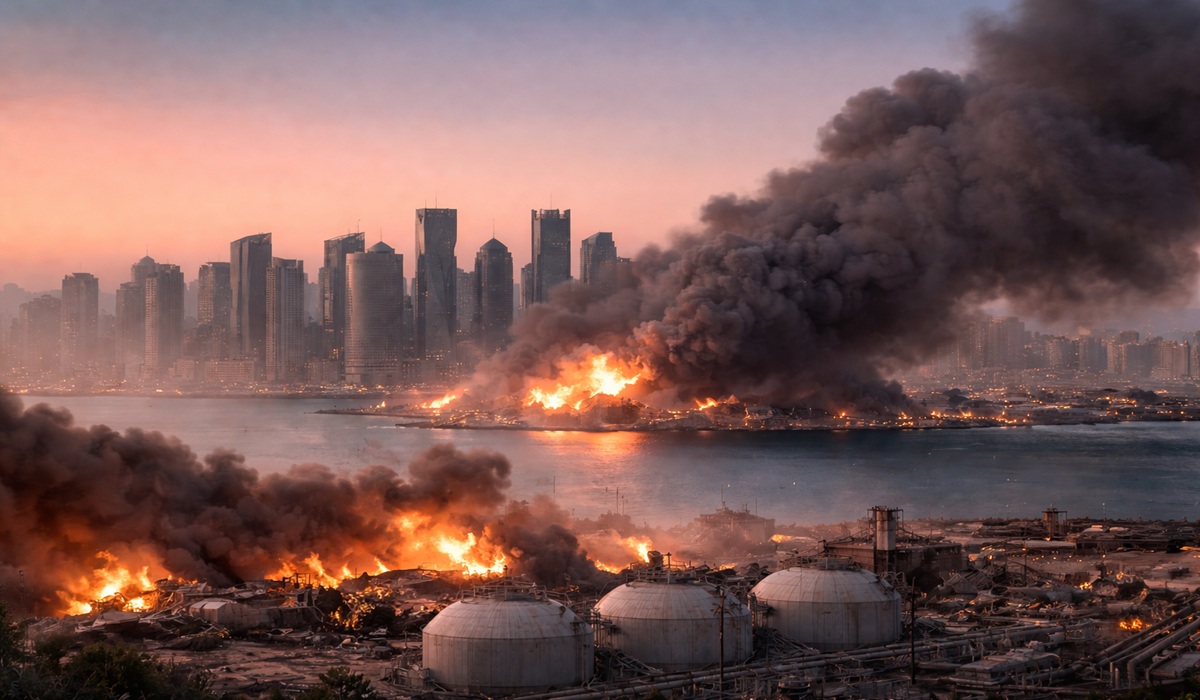
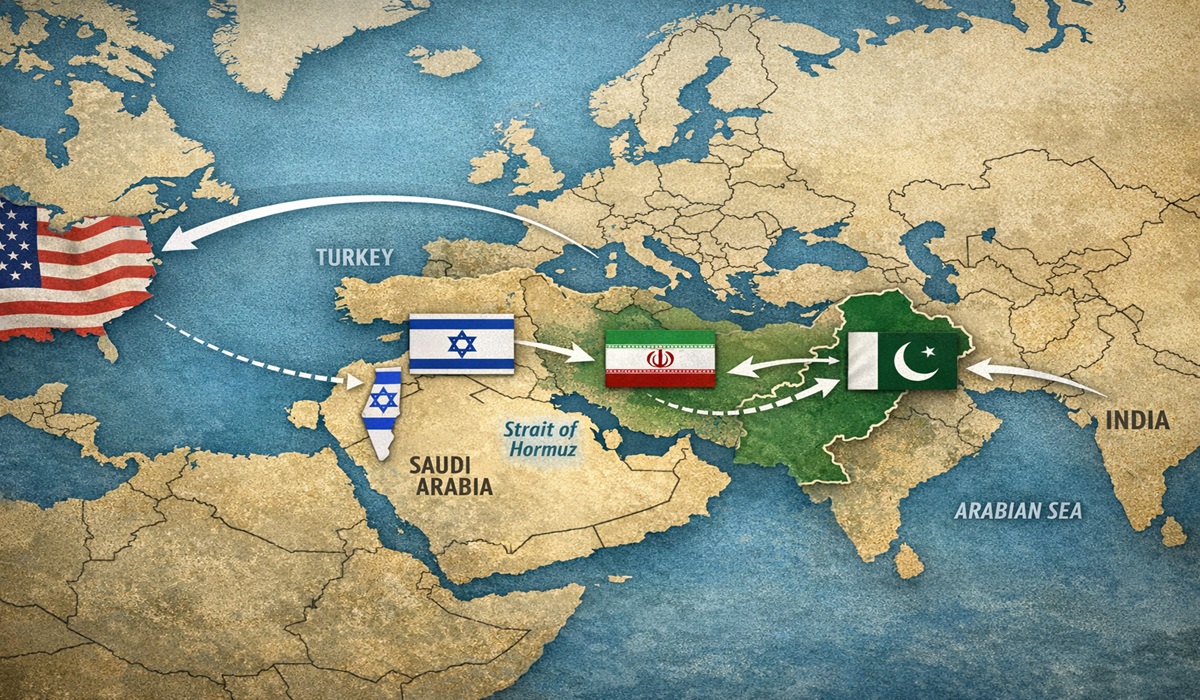
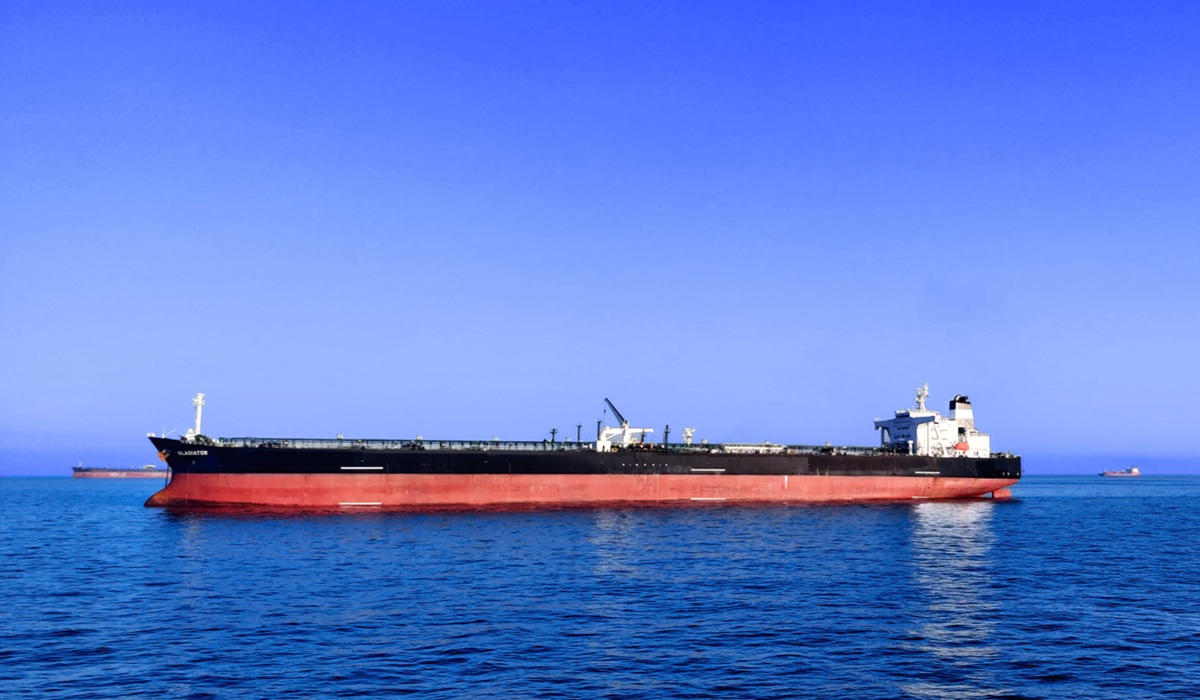
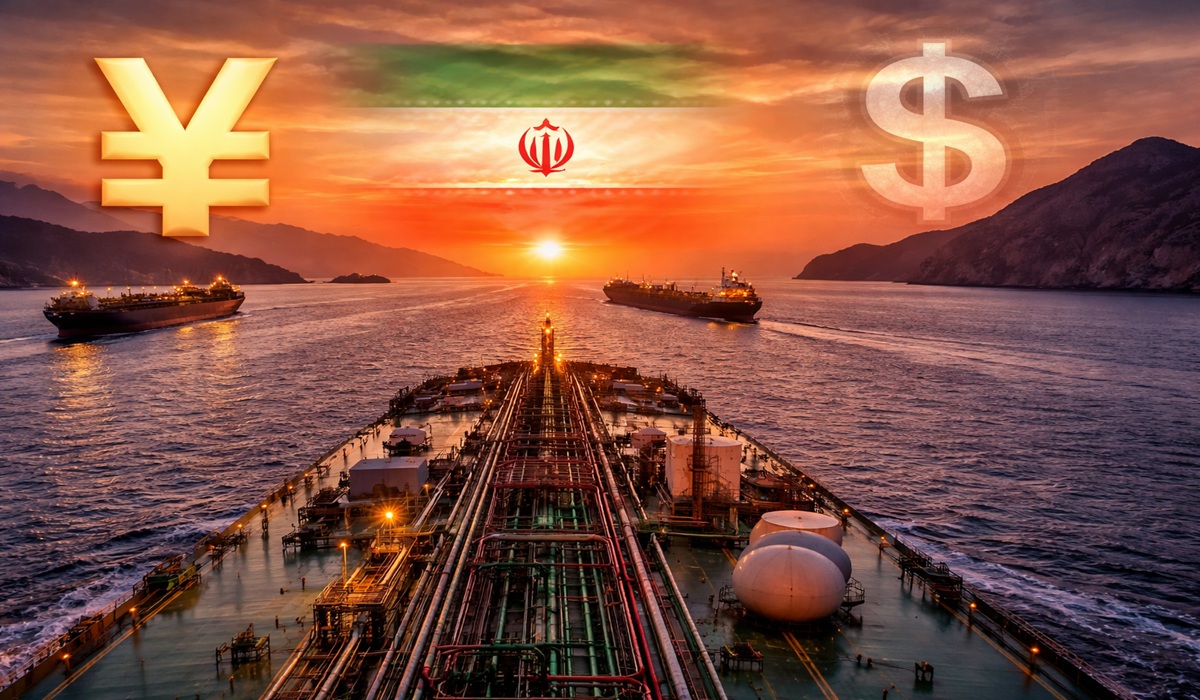
Iran’s message has made the stakes unmistakably clear. Any territory, coastal access, or support used for operations against Iranian assets will be treated as participation in the conflict, and retaliation will not be limited or symbolic. It will be designed to disrupt systems, not just strike targets. Ports, energy infrastructure, and essential lifelines are all part of that equation, and in states where continuity is everything, even a short disruption can create cascading effects that are difficult to contain.
In Bahrain, those effects would be immediate and severe. The country does not have the luxury of absorbing prolonged disruption without consequences spilling into daily life. Essential systems are tightly interconnected, and once one begins to fail, others follow quickly. In that environment, frustration does not build slowly. It accelerates, especially if people begin to believe that their situation is the result of decisions made without regard for their safety.
The United Arab Emirates faces a different kind of exposure, but one that carries equal weight. Its entire economic model is built on confidence, stability, and the belief that it exists above the volatility of the region. If that belief is shaken, even briefly, the consequences move quickly through markets, investment, and public sentiment. Confidence, once lost, does not return easily, and the longer uncertainty lingers, the more permanent the damage becomes.
This is where the risk becomes existential, not because of a single strike or a single decision, but because of how quickly systems can unravel once pressure is applied. When daily life is disrupted and economic security is threatened, people do not remain passive. They look for responsibility, and when that responsibility is directed at leadership, the consequences can move from dissatisfaction to action.
So the question becomes unavoidable and deeply uncomfortable. Why continue to take this risk?
The answer lies in a calculation that has defined the region for decades, the belief that alignment with the United States provides a level of protection that outweighs the dangers of confrontation. There is also a competing fear that stepping back, denying access, or breaking alignment would create immediate vulnerability and signal weakness in a region where perception matters as much as capability.
Yet that calculation is now under strain because the nature of the threat has changed. The risk is no longer centered on large-scale invasion or visible troop movements. It is rooted in sustained disruption, the kind that weakens systems over time and creates enough instability to shift public perception. It does not require occupation to create pressure. It only requires enough disruption to make people question whether their safety has been compromised.
That is the point at which external conflict becomes internal instability. When people believe they are paying the price for decisions that could have been avoided, the consequences are no longer limited to the battlefield. They move into the streets, into public sentiment, and into the foundations of governance itself.
Bahrain is particularly vulnerable to that shift because of its size and internal dynamics, where pressure does not need time to build in order to become visible. The United Arab Emirates, while more resilient in structure, is still dependent on perception, and once that perception changes, the effects can spread quickly through systems that rely on confidence to function.
This is not about leaders being unaware of the risks. It is about weighing one danger against another and choosing what they believe to be the lesser of two threats. Maintaining alignment carries the risk of escalation, while stepping back carries the risk of exposure and isolation. Both paths are dangerous, and neither offers certainty.
What makes this moment different is that the margin for error is shrinking. The environment is becoming more volatile, and decisions that once carried manageable risk are now tied to consequences that are far more immediate and far-reaching. If that balance is misjudged, the outcome will not unfold gradually or allow for easy correction.
At that point, the question will no longer be why the risk was taken, but whether it was worth it, and whether the consequences could have been avoided before they became unavoidable.
About The Author