Why Trump’s Expanding Strikes on Venezuela Risk a Catastrophe No One Can Contain
- TDS News
- U.S.A
- December 10, 2025
By: Donovan Martin Sr, Editor in Chief
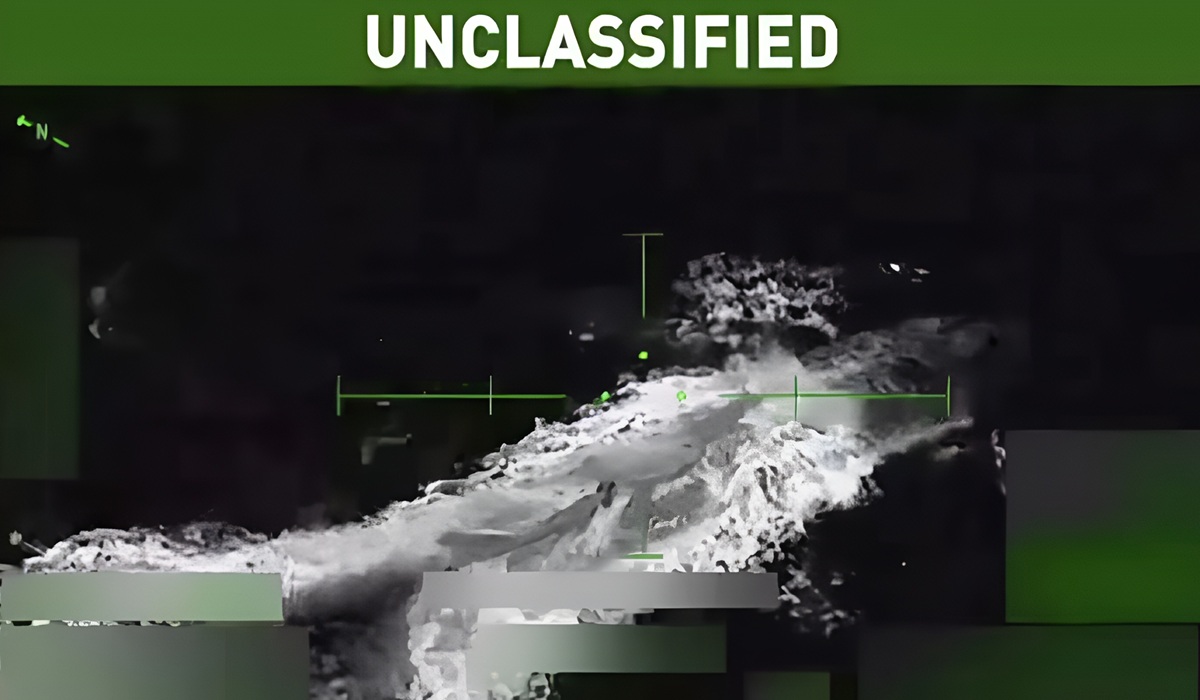
The latest round of U.S. strikes ordered by President Donald Trump has pushed an already-volatile situation in the Caribbean basin to the edge of something far more dangerous than a show of force. What began as a calibrated military response has quickly morphed into a sweeping display of power—one that leaves survivors stranded at sea and entire coastal enclaves destabilized. Critics across the political spectrum are increasingly describing the campaign as undemocratic, unjust, and in clear violation of fundamental rights. And beneath the surface, a larger and far more troubling build-up is underway.
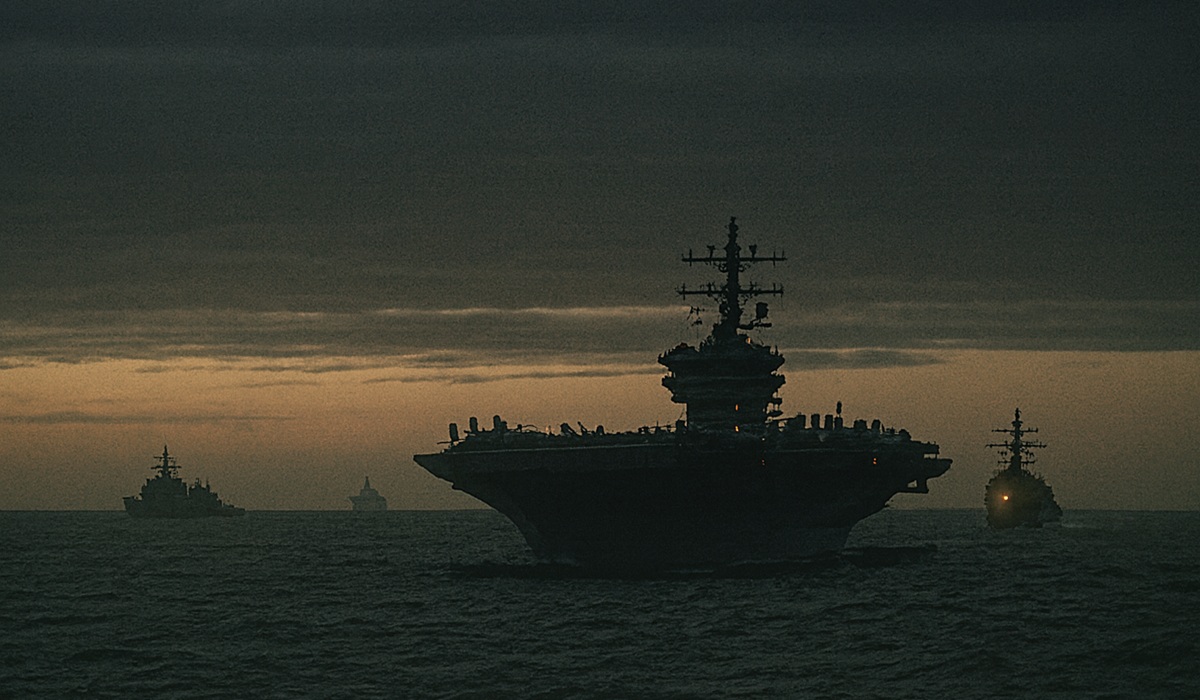
In recent days, American troop deployments have accelerated. Carrier groups are shifting south. Temporary military installations—initially described as logistical hubs—are expanding into fully operational bases. Perhaps most telling is the quiet repositioning of B-2 stealth bombers, aircraft that are never moved without strategic intent. These movements signal more than preparedness; they telegraph a willingness to escalate. Venezuela sees them not as deterrence, but as preamble.
Inside Venezuela, the alarm has been sounded at every level of the state. The armed forces remain on high alert, bunkered in defensive formations not seen in decades. Militia groups, civilian brigades, and volunteer reserves—millions of people—are mobilizing. Whatever political divides existed within Venezuela weeks ago have blurred. As history often shows, external threats have a way of unifying fractured nations, and today the mobilization is not symbolic. It is tangible, organized, and fervently nationalist.
If war erupts, no one should be naïve about the scale of suffering that will follow. Venezuela will bear devastating losses: civilian casualties from urban airstrikes, coastal infrastructure reduced to rubble, and a military forced into asymmetrical warfare on home soil. But the notion of a swift U.S. victory—clean, controlled, casualty-light—is a dangerous illusion. American forces will not be insulated from the conflict. Urban guerrilla warfare, mountainous terrain, and a population prepared for prolonged resistance create circumstances that all but guarantee American deaths in numbers the public is unprepared to accept.
And then there is the price tag. Any full-scale military campaign—combined with the nation-building that inevitably follows—would drain trillions from the American treasury. It would dwarf the cost of Iraq and Afghanistan and stretch already-strained budgets to the breaking point. For Americans struggling with inflation, rising interest rates, and shrinking public services, the bill for a war in Venezuela would land with seismic force.
Beyond the battlefield, the consequences would reverberate through the entire hemisphere. The region would be reshaped into something disturbingly familiar: a fragmented zone of proxy conflicts, splintered alliances, extremist recruitment, and constant instability. For the Western Hemisphere, the comparison to the Middle East is no longer rhetorical—it is predictive. The collapse of regional stability would strain governments from Colombia to Brazil, overwhelm migration systems across the continent, and generate a humanitarian crisis on a scale not witnessed in the Americas in generations.
Global markets would feel the shock immediately. Venezuela is home to some of the world’s most significant oil reserves, and even the perception of sustained instability sends prices soaring. A prolonged conflict would squeeze energy supply chains worldwide, slowing growth, hiking transportation costs, and feeding inflation already gripping multiple continents. Energy-dependent economies in Europe, Asia, and Africa would face mounting pressure. No sector would be untouched.
All of this raises a deeply introspective question: what is the purpose of launching a massive conflict when the political horizon is so short? In two years, Trump’s term will end. He constitutionally can not be re-elected, and the burdens of war will outlive any administration. The next president—regardless of party—would inherit a regional crisis, spiralling costs, and a global diplomatic order ruptured by a conflict that might have been avoided. Once wars begin, they rarely remain limited. They evolve, expand, and entrench themselves into the political and economic architecture of nations. That is the tragedy of “forever wars”—no one ever truly wins them.
Diplomats quietly warn that this moment is not simply about Venezuela. It is about the credibility of negotiations, the future of hemispheric relations, and the willingness of major powers to resolve disputes without defaulting to force. True leadership requires stepping back, recalibrating, and recognizing that war is the most expensive and least effective instrument of foreign policy. This is not weakness; it is wisdom learned over decades of American entanglements that promised stability but delivered chaos.
If there is a path forward, it lies in diplomacy shaped by realism rather than ideology. A path that respects sovereignty, acknowledges legitimate humanitarian concerns, and understands that nations do not reshape themselves at the tip of a missile. A path that recognizes the responsibility of powerful states to prevent—not provoke—regional collapse. And above all, a path that avoids repeating history when the lessons are already written in the rubble of conflicts past.
The world understands that Venezuela is in deep crisis. But another war, especially one of this scale, will not solve that crisis. It will amplify it, export it, and anchor it into global politics for a generation. There is still time to step back from the brink. The more important question is whether anyone with the power to do so is willing to make that choice.
About The Author