Where Did the Buzz Go? Why the 2026 Winter Games Feel Quieter Despite Strong Viewership
- Ingrid Jones
- Sports
- February 17, 2026
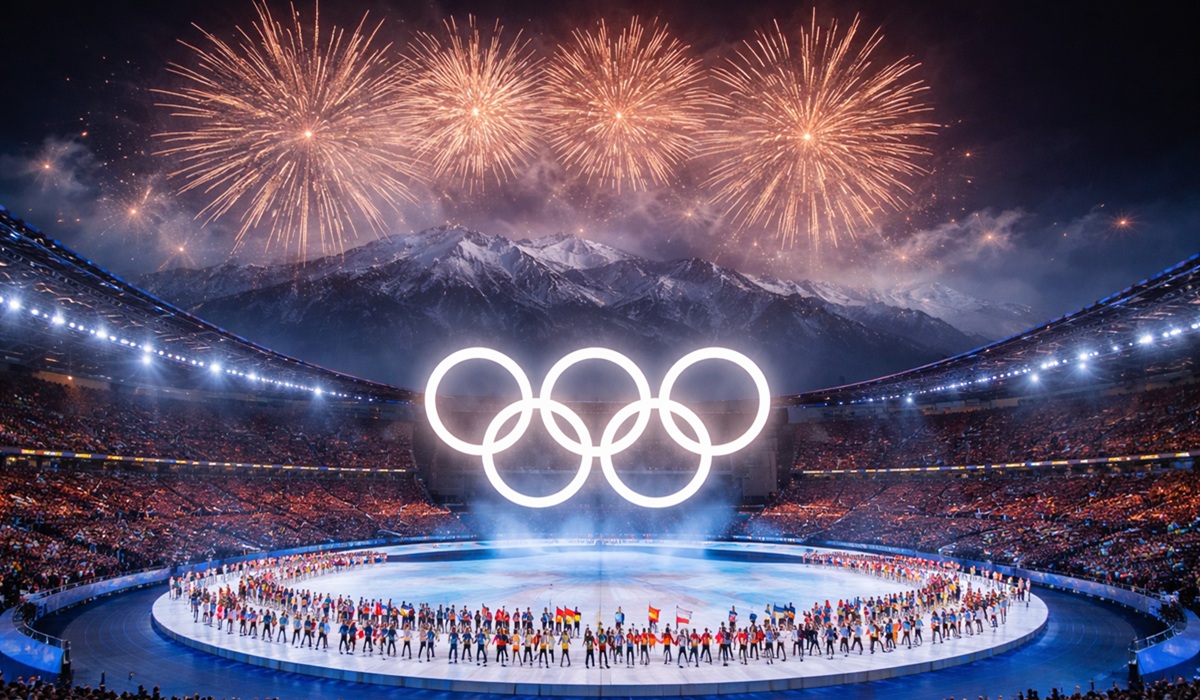
There is a feeling in a lot of places that this year’s Winter Games are quieter than those in the past. You do not hear as much chatter in coffee shops, the hype does not seem to dominate every conversation, and some people have the impression that fewer people are tuning in. It is a fair question to ask whether interest is fading. The reality, however, is more complex than the perception.
If you look strictly at the numbers, the current Olympic cycle is not the most insignificant. In fact, early data points in the opposite direction. In the United States, viewership during the first days of the 2026 Winter Olympics jumped sharply compared with the last edition. NBC reported a 93 percent increase in total audience compared with Beijing 2022, averaging roughly 26.5 million viewers across television and streaming platforms. One prime time broadcast reached about 42 million viewers, making it the most watched winter sports broadcast tied to the Games in more than a decade. Streaming has also surged, with billions of minutes watched online in just the opening stretch.
Across Europe, the trend appears similar. Broadcasters reported strong streaming engagement and television growth compared with 2022, and in Italy alone millions tuned in for the opening ceremony with a major national audience share. The global reach remains large, even if the energy feels different on the ground.
So if the numbers are strong, why does it feel like fewer people are paying attention? Part of the answer lies in recent history. The pandemic era created a difficult period for international sport. Tokyo 2020 saw television audiences drop dramatically, with total United States viewership down by roughly a quarter from Rio 2016 and prime time ratings falling even more. Beijing 2022 also struggled, including one opening night broadcast that drew the smallest audience ever recorded for a winter edition on NBC.
Those years changed viewing habits in a lasting way. People moved away from traditional television and began watching highlights, short clips, and social media moments instead of sitting through full event coverage. Even when the total number of viewers remains high, the shared cultural moment is more fragmented. Instead of everyone watching the same race or performance at the same time, millions are following different athletes in different ways.
Another factor is competition. In today’s sports landscape, there is always something else pulling attention. The NFL, NBA, and global football operate year round, and their presence never fades. Even during the Winter Olympics, other major sporting events continue to post strong ratings, splitting the audience. The result is that the Games no longer dominate the calendar the way they once did.
There is also the question of star power. Historically, the biggest moments have always been driven by a few unforgettable names. When those personalities emerge, interest spikes almost instantly. When they do not, the atmosphere can feel flatter, even if the competition itself is strong. Without one or two household names capturing headlines every day, the experience can seem quieter, especially in countries without a major medal run.
Time zone has always played a role too. While Europe is easier for North American audiences than Asia, many events still happen during work hours. That means people catch highlights later rather than talking about results live in the moment. That alone changes the sense of excitement and shared conversation.
The biggest shift, though, is how people consume sports. In the past, if you wanted to follow the Olympics, you had to sit down and watch television coverage. Now you can follow a single athlete on social media, see results instantly on your phone, or watch a 30 second clip instead of an entire event. The total reach may be just as large or even larger, but the shared experience feels smaller and more scattered.
There is also evidence that public interest dropped in the early 2020s and is only now starting to rebound. Pandemic era Games had empty venues, strict protocols, and a very different atmosphere. That period created a sense that something was missing. Now that crowds have returned and the world is more open, it may take time for the energy to fully come back.
So are these the most insignificant Olympics? The data suggests no. In some ways, they are drawing stronger early viewership than the last Winter Games and recovering from the low point seen during the pandemic years. What has changed is not the scale, but the way people watch and talk about it.
There was a time when the Olympics stopped everything. Families gathered around the same screen. Offices talked about the same race the next morning. Today, attention is spread across countless platforms, sports, and distractions. The Games are still being watched by millions, but the conversation is no longer concentrated in one place.
That makes them feel smaller, even when they are not.
About The Author