When the Bombers Move: The Unmistakable Signs America Is Marching Toward War with Venezuela
- TDS News
- U.S.A
- December 12, 2025
By: Donovan Martin Sr, Editor in Chief
Image Credit: Vicki Hamilton
When the United States is preparing for a strike, there is always a moment when the noise drops, the chatter thins, and the machinery of war begins to hum in a way that no seasoned observer can mistake. It never announces itself loudly at first. Instead, the shift begins at places most Americans will never see, but every military planner in the world watches with quiet alarm. Missouri. South Dakota. Diego Garcia. Three distant points that form a triangle of strategic intent. When activity surges at these locations, it means the United States is not just posturing. It is preparing.
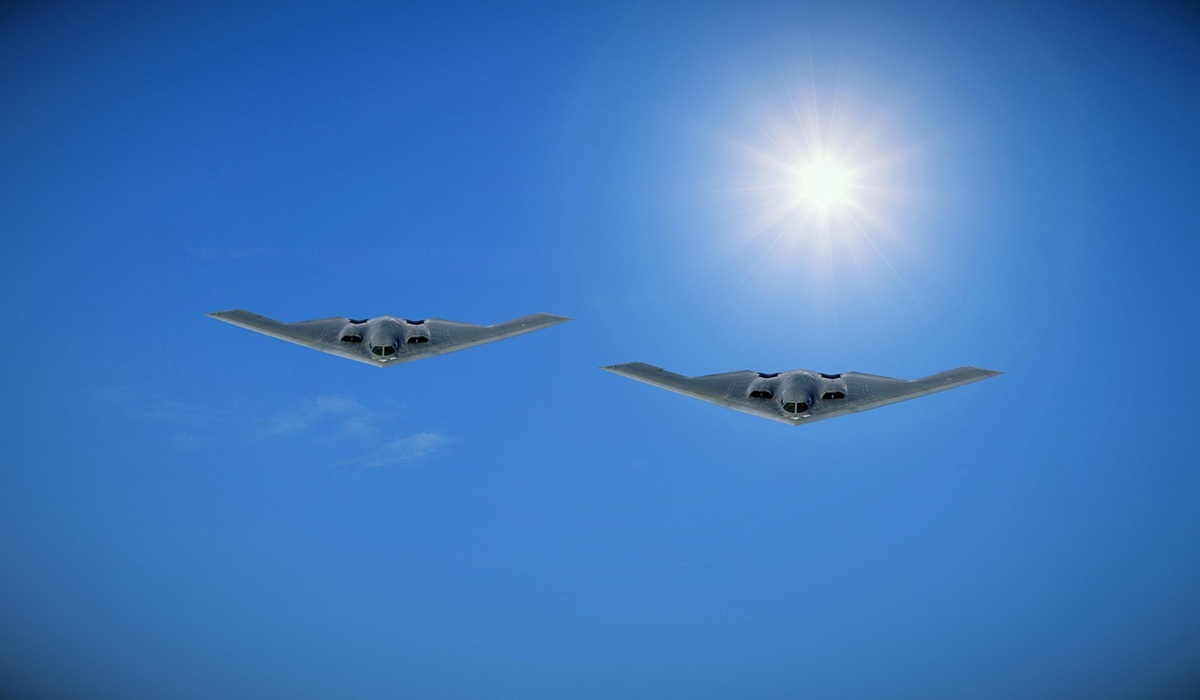
Whiteman Air Force Base in Missouri is the cradle of the B-2 Spirit fleet, the most capable stealth strategic bombers on Earth. Their presence anywhere outside their home hangars signals something beyond routine training. The B-2 exists for missions so sensitive and high-value that few nations can even conceptualize its operational profile. When they start moving, especially toward the Pacific or the Indian Ocean, it means Washington is thinking about a strike package, not a photo opportunity. The B-2 is the long, quiet breath before the storm.
Ellsworth Air Force Base in South Dakota, paired with Dyess in Texas, houses the B-1B Lancers—bombers built not for display, but for sustained conventional warfare. The B-1B’s design is not about elegance or stealth, but about overwhelming power delivered across continents. When the tempo spikes in South Dakota, when crews begin running drills at hours that bleed into each other, when fuel movements spike and weapons technicians stop taking weekends, it means the country is winding up a machine that is not easily stopped once the gears are engaged. The B-1B is never called forward without purpose. And it is never called forward for anything that ends quietly.
Then there is Diego Garcia, the remote island base that exists almost entirely for moments exactly like this. It is far enough from public scrutiny, close enough to Middle Eastern, African, and South American theaters, and secure enough to stage operations that would reshape regions overnight. When heavy bombers or support aircraft begin appearing there, it signals a strategic commitment that cannot be dismissed. Diego Garcia is not used for theatrics. It is used when the United States intends to project power on a scale that leaves diplomatic ambiguity behind.
When these three locations light up simultaneously, as they are now, the pattern is unmistakable. It is the choreography of imminent conflict, the kind that precedes major strikes or a full-scale intervention. Even joint naval exercises—large as they sometimes appear—do not approach this scale, because war machines of this magnitude are not deployed casually. They are deployed when Washington wants the world to understand that it is willing to cross a threshold few nations dare approach.
And here lies the most disturbing part: all signs point toward Venezuela being the next target of this escalating posture. The very idea of a U.S.-led invasion into Venezuela is a strategic and humanitarian disaster waiting to be written into the next decade of global history. It is a blunder so large that the word almost feels too small. Venezuela is not Iraq. It is not Libya. It is a nation of mountains, jungles, urban density, armed militias, a mobilized civilian population, and a military that has spent years preparing for asymmetric defense. Any incursion would be met not with surrender, but with ferocious, sustained resistance.
The tragedy is not hypothetical. It is baked into the geography, the demographics, the social fabric, and the politics of the region. Civilian casualties would not merely be high—they would be devastating. Venezuelan lives would be lost in numbers that would haunt a generation. But Americans would pay an enormous price as well, one the political class is pretending will never come to pass. The idea that a war with Venezuela could be clean, fast, or casualty-light is a fantasy. The American military would face urban warfare, environmental challenges, guerrilla tactics, and a hostile regional climate unlike anything seen in the Western Hemisphere in a century. The body count on both sides would fracture whatever illusions remain about painless interventionism.
And all of this would unfold in the shadow of an American political season barreling toward the midterms, where current polling shows Republicans losing heavily. The timing could not be more dangerous or more cynical. Launching a war before midterms, in an environment where political desperation is beginning to creep into the conversation, is a recipe for disaster—not only for Venezuela, but for the United States itself.
Which brings us to the figure at the center of this unfolding moment: President Donald Trump. He has shown repeatedly that Congressional approval is a suggestion, not a limitation. Executive orders are deployed like chess pieces, moved without hesitation. He governs, at times, with a disregard for institutional friction that both electrifies his supporters and terrifies his critics. It is no secret that John McCain once embraced the term “maverick” as a badge of honor. But the version unfolding today is something McCain himself would never have recognized, let alone endorsed. Trump’s willingness to bypass the traditional restraints of foreign policy is not maverick in the romantic sense. It is unilateral, unpredictable, and deeply personal.
The question now is not whether he can do it. The real question—the one that should terrify policymakers, soldiers, and civilians alike—is whether he cares enough about the consequences not to. Because when bombers roll out of Whiteman, when Lancers roar awake in South Dakota, when Diego Garcia fills with aircraft that can level cities, what happens next is not a symbolic gesture. It is a world-altering decision that cannot be walked back.
A strike on Venezuela would mark a rupture in hemispheric stability, plunging South America into a crisis that would echo the Middle East’s darkest decades. Oil markets would contract violently. Regional alliances would fracture. Migration would explode. The Western Hemisphere would experience its most destabilizing conflict in generations. And for what? A fleeting display of power? A political distraction? A strategic miscalculation dressed up as inevitability?
War always arrives with the illusion that it will be short. It never is.
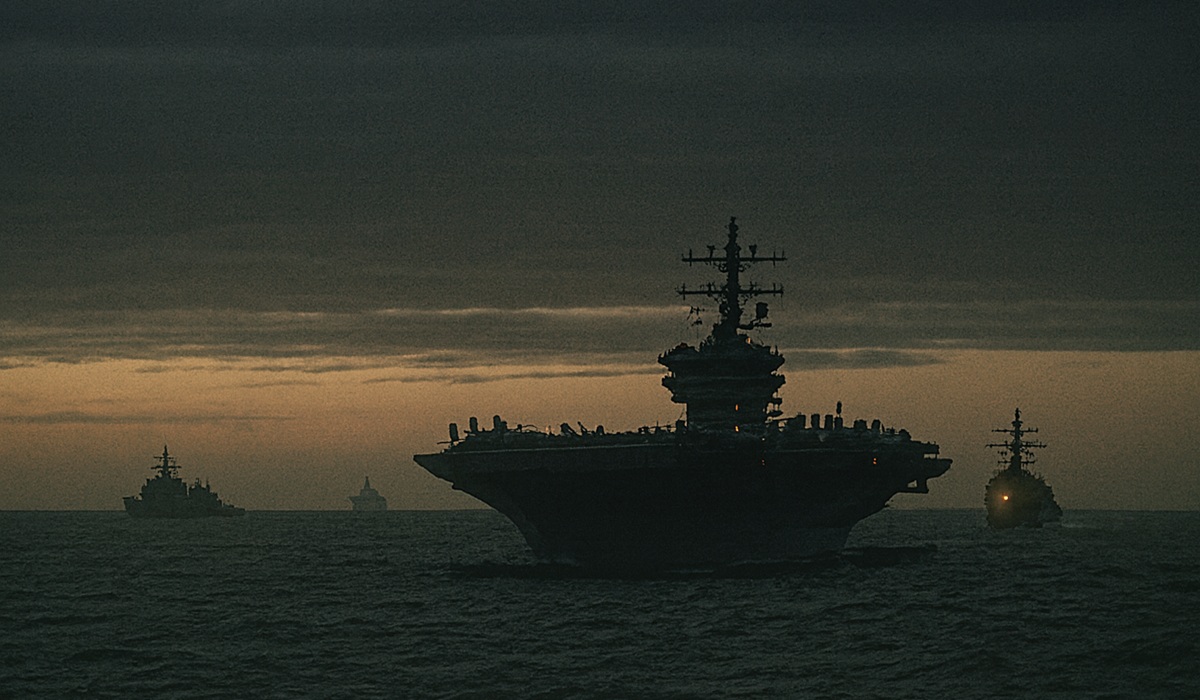
And if the United States crosses this line, it will find itself entangled in a conflict it cannot win cleanly, cheaply, or quickly. The cost in American lives will be catastrophic. The cost in Venezuelan lives will be incalculable. And history will record that the warning signs were all there—glowing, flashing, unmistakable—in the quiet movements of bombers, bases, and ships long before the first strike was ever launched.
About The Author