If you’ve ever hit that first November sleet on I-94 and felt your steering get a little “floaty,” you already know the truth: tires matter a lot more than most people think. In Michigan, they matter even more. Between surprise spring downpours, lake-effect snow, freeze-thaw cycles, and potholes that appear overnight, your tires have a tougher job than just “rolling.”
The good news is you don’t need to be a car expert to buy the right set. You just need to focus on a handful of things that actually impact safety, comfort, and value. Below, we’ll explain what’s most important when shopping for new car tires.
Safety should be the priority, because tires are your car’s only contact with the road. Brakes, steering, and stability control can only work with the grip the tire can provide. In Michigan, wet traction and cold-weather performance are especially important, since roads are frequently slick from rain, melting snow, or slush, and cold temperatures can stiffen rubber compounds and reduce grip. When you compare options, it helps to think less about how a tire looks or how long it might last in ideal conditions and more about how it will behave when you need it most.
One of the most important decisions is choosing the right tire category for the way you drive in Michigan. When choosing tires based on driving habits, consider your driving environment (city, highway, or rural) and your driving style. All-season tires are the most common choice because they’re convenient and handle a wide range of temperatures, making them a solid fit for many drivers who stay mostly on plowed roads and prefer one set of tires year-round. The tradeoff is that all-seasons are a “good at most things” option, and they can struggle more than winter-focused tires on ice or in deeper snow.
All-weather tires are a stronger year-round option for drivers who want one set but want more winter confidence than a typical all-season provides. They bridge the gap by offering all-season convenience with additional winter capability, and many meet a standardized snow-traction test. For many Michigan drivers, all-weather tires feel like the most practical upgrade because they reduce stress when winter weather arrives without requiring a seasonal swap.
For the most demanding winter conditions, winter tires provide the highest level of cold-weather grip. Their rubber remains more flexible in low temperatures, and their tread patterns grip snow and ice more effectively. They’re especially helpful for people who commute early in the morning, drive long distances, travel on rural roads, or live in areas that get hit hard by lake-effect snow. The drawback is that you’ll switch them off in spring and store them, and you’ll need to budget for a second set, but many drivers find the improvement in winter confidence and control is worth it.
Once you decide on the right category, it’s crucial to get the size and specifications right. The simplest way to confirm this is to check the sticker on the driver-side door jamb, which lists the manufacturer’s recommended tire size along with important details like load capacity and pressure. Tire sizing can look confusing at first, but it follows a consistent format, and the key takeaway is that it’s usually best to match the recommended size and ratings. Changing sizes casually can affect handling, braking, ride comfort, clearance, and even speedometer accuracy.
When you’re shopping, it also helps to understand which markings and labels matter. Many tires show a mud-and-snow designation, which is common but doesn’t necessarily indicate strong winter performance. A more meaningful winter symbol is the Three-Peak Mountain Snowflake marking, which indicates the tire meets a standardized test for snow traction. For Michigan drivers looking for a single set of tires that can handle winter better, that marking can be an especially useful shortcut.
You may also see treadwear, traction, and temperature ratings, called UTQG ratings. These can be helpful for basic comparisons, but they’re not a perfect universal scorecard across every brand, and they shouldn’t be the only factor in your decision. A tire with a very high treadwear rating might last a long time, but if it sacrifices wet grip or winter performance, it may not be the best match for Michigan roads. It’s better to weigh those ratings alongside real priorities like wet traction, cold-weather behavior, and how the tire performs in the conditions you drive in.
Beyond safety and fit, comfort can be a big deal in everyday driving. After installing new tires, many drivers tend to notice road noise, ride comfort over rough pavement, and how the car feels when turning or changing lanes. Tire design affects this more than you might expect, and Michigan’s pavement can make those differences obvious. If you do a lot of highway commuting, a touring-oriented tire that focuses on quieter, smoother driving can make the car feel noticeably more comfortable.
Cost matters, but value matters more. Tires are a classic example of a purchase where the cheapest option today can cost more over time if it wears out faster, rides poorly, or performs unpredictably in bad weather. A simple way to think about value is cost per mile. A tire that costs more upfront but lasts significantly longer can be a better deal, and in Michigan, potholes and rough roads can also affect tire lifespan.
That maintenance piece is where many people accidentally waste money, because even great tires won’t perform well if drivers ignore the basics. Alignment is especially important in Michigan, where potholes can knock things out of spec and cause uneven wear, pulling, and reduce traction. Balancing also matters for smooth driving and even wear, and if your car vibrates at certain speeds after installation, it’s something to address quickly. Tire pressure is another big one, since temperature swings can change pressure and underinflation can reduce handling, shorten tire life, and hurt fuel economy.
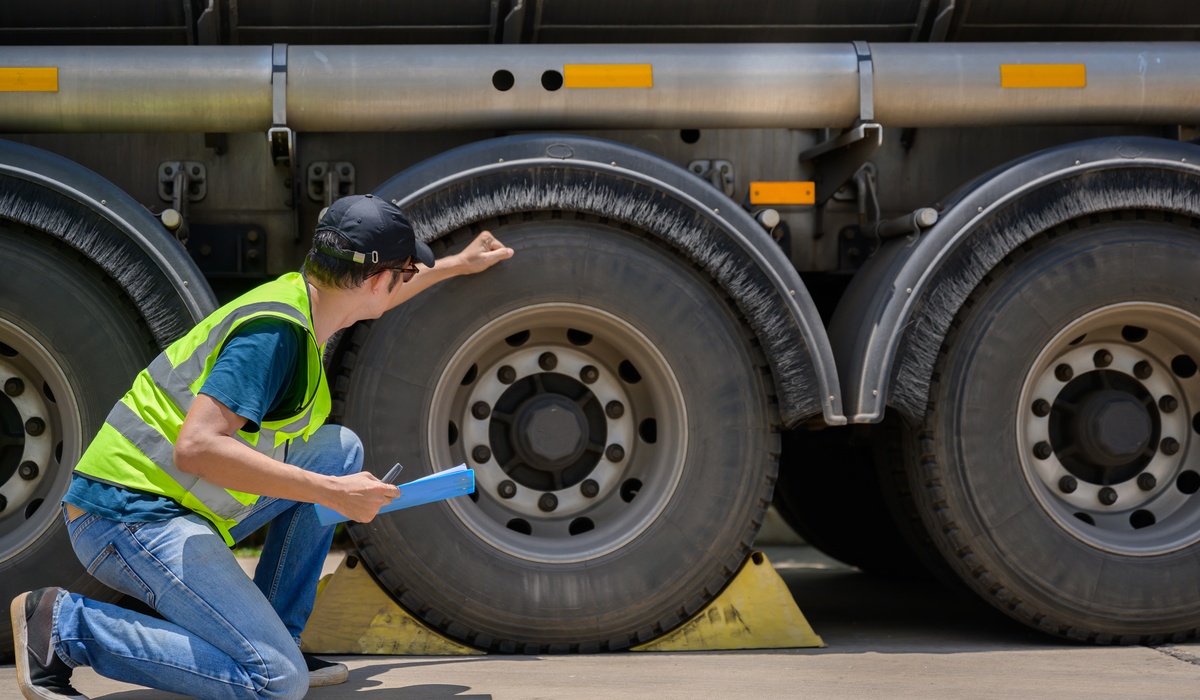
Finally, it helps to know when you need to replace your tires. Tread depth is one part of the story, and while there is a legal minimum, replacing them earlier can improve safety in wet and snowy conditions. Visible cracking or dry rot is a sign that the rubber is aging and losing flexibility, which matters in cold weather. Bulges can indicate internal damage, frequently from impacts, and regular pressure loss can point to a problem you can’t ignore. Uneven wear is also a clue that alignment, suspension, or inflation needs attention.
Now, you should understand what’s most important when shopping for new car tires. Finding safe tires that fit your specific conditions and driving style will mean stretching your dollar further for your new set of tires. Confirm the correct size and ratings, prioritize wet and cold-weather performance, and keep up with the basics like alignment, pressure, and rotations. The next time the weather turns, you’ll be glad you focused on what matters most.
About The Author