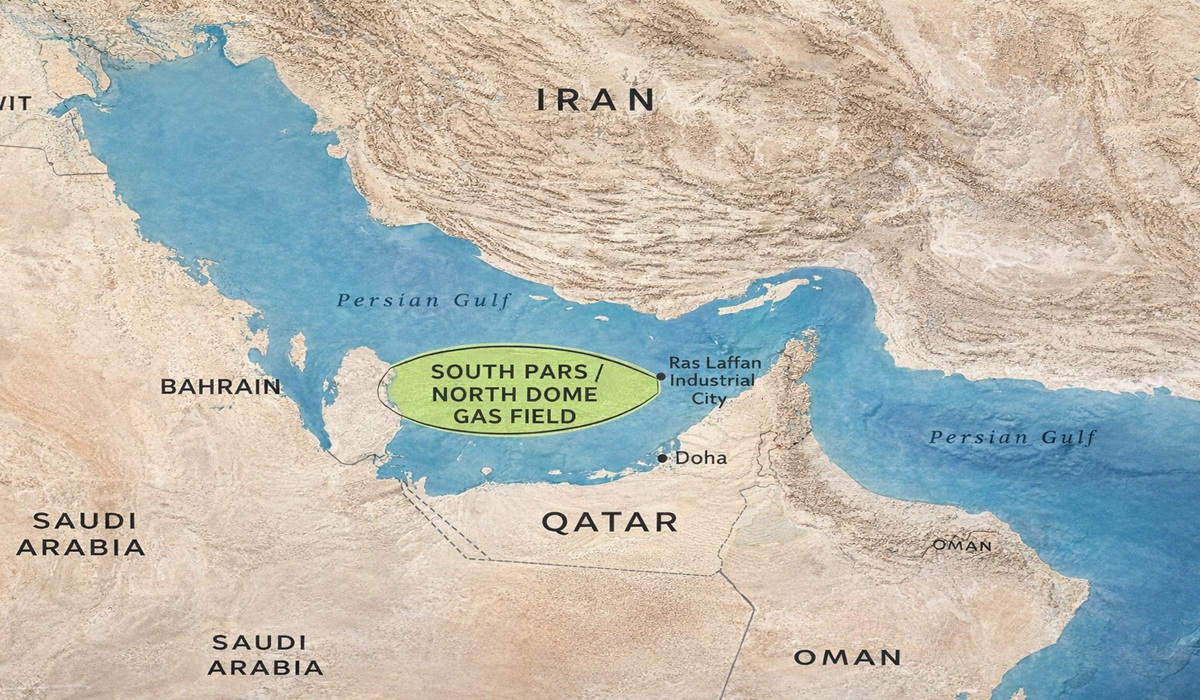
The ongoing conflict between the US – Israel, and Iran in 2026 has emerged as a major development capable of reshaping global politics, the world economy, and the balance of power. This is no longer merely a regional dispute; it has evolved into a broad geopolitical confrontation whose effects are rapidly spreading beyond the ME to Asia, Europe, and the global economic system. The conflict has not only intensified instability in the region but has also triggered new alignments among major powers, highlighting roles of China, Russia, and Pakistan.
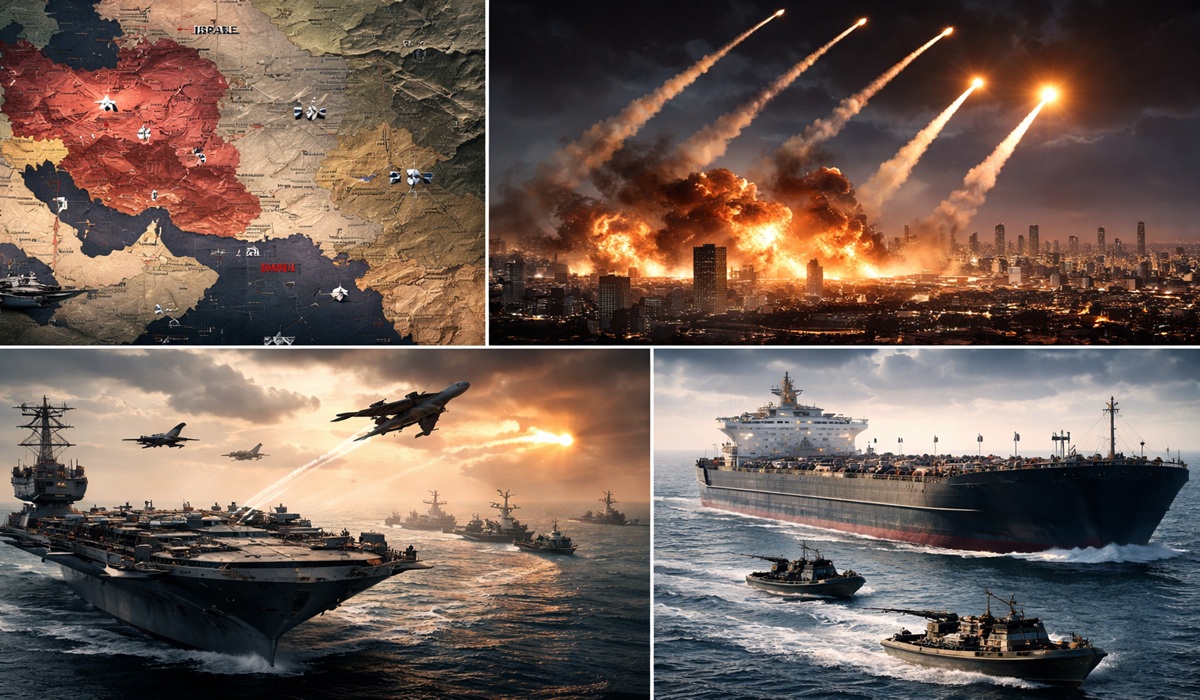
The escalation of this conflict began when the US and Israel targeted Iran’s military and strategic installations. The objective behind these actions was to weaken Iran’s defense capabilities, limit its regional influence, and potentially bring about regime change. In response, Iran launched a strong counteroffensive, using missiles and drones to strike not only Israel but also US interests in the Gulf. As a result, what initially appeared to be a limited confrontation has now transformed into a prolonged and complex conflict in which the US and Israel have so far failed to achieve decisive success.
China has adopted a cautious and balanced strategy in this war. On one hand, it views the US’ deepening military engagement in the ME as an opportunity to strengthen its own position in Asia. China faces serious concerns regarding energy security. Its economy heavily depends on oil imports from the Gulf, and any disruption in the Strait of Hormuz could significantly impact its industrial and trade systems. China is also benefiting by securing discounted oil from Iran while simultaneously attempting to present itself as a responsible global mediator. Given the strong bilateral ties between China and Iran, Beijing has not faced major difficulties in maintaining its energy supplies so far.
For Russia, this conflict has largely turned into a strategic opportunity. Rising oil and gas prices have provided support to the Russian economy, while the shift of US attention toward the ME .has eased pressure on Russia in Europe and other theaters. Russia can’t afford to be entirely complacent. Iran remains an important regional ally, and any significant weakening of Tehran could negatively affect Russian interests. The potential spread of instability into Central Asia poses a new challenge for Moscow. At the same time, Russia is capitalizing on the situation by expanding its energy exports to countries such as China and India, generating substantial economic gains.
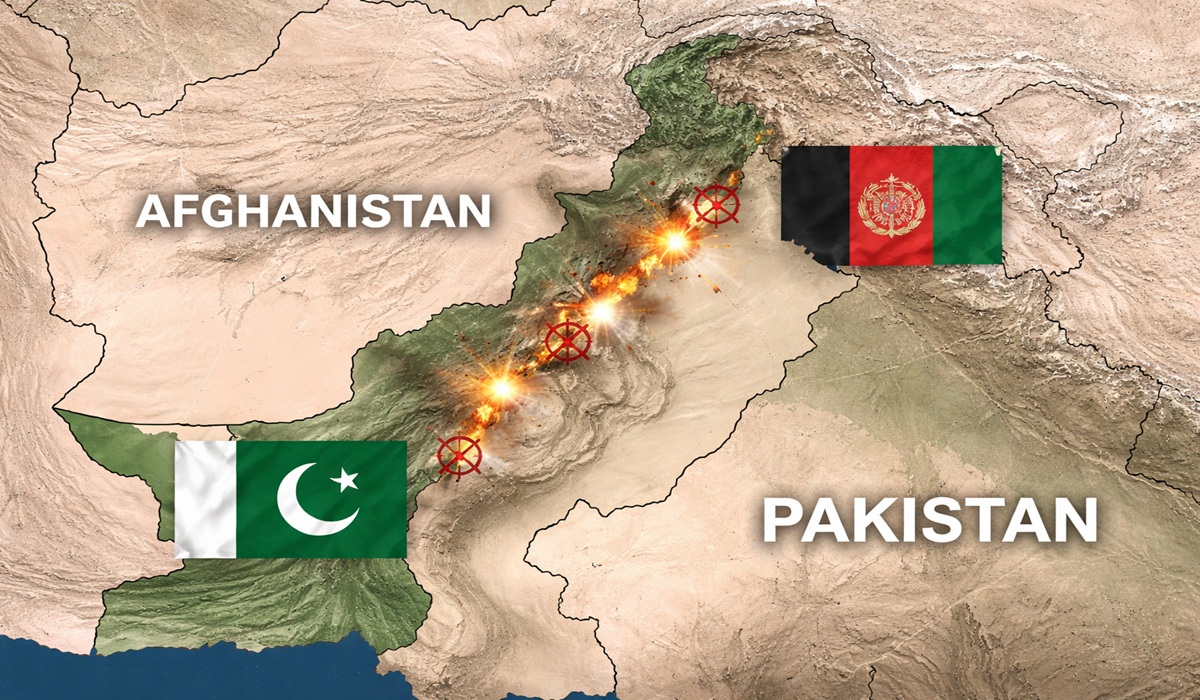
It may appear that China and Russia are among the primary beneficiaries of this war, at least in the short term. They are gaining economic and strategic advantages from shifting global dynamics. In the long run, global instability, volatility in energy markets, and disruptions in supply chains could also pose serious risks to both countries. Declaring them outright winners at this stage would be premature. Pakistan finds itself in a particularly delicate position amid this evolving crisis. On one side, it faces border security concerns with Iran, while on the other, rising oil prices are placing additional strain on its already fragile economy. Internal security risks have also increased, as regional instability often spills over into domestic conditions. Pakistan does have certain opportunities, such as playing a diplomatic mediating role and strengthening its economic cooperation with China.
Regarding support for Iran, there are indications of indirect assistance from China and Russia, including intelligence sharing, technical cooperation, and limited defense support. This does not amount to direct military involvement; rather, it reflects a cautious strategic approach. Pakistan, for its part, has maintained neutrality and refrained from any form of military engagement, demonstrating a balanced foreign policy stance.
An assessment of the current situation suggests that Iran, despite facing intense pressure, has managed to preserve its state structure and demonstrate its capacity for strong retaliation. In contrast, US and Israel, despite their technological and military superiority, have struggled to achieve their major objectives, including regime change in Iran. At the same time, Iran has suffered significant human and economic losses, and its infrastructure has been severely affected, indicating that the conflict is proving costly for all sides.
At present, Iran’s continued resistance and its ability to target US bases and Israeli interests in the region have strengthened its position. Simply standing firm against both the US and Israel is being viewed by some analysts as a strategic success for Iran. Its effective response has challenged the long-held perception of the invincibility of American and Israeli military power. While the US and Israel enjoy superiority in advanced technology and weaponry, Iran benefits from geographical advantages and unconventional warfare strategies. This dynamic has contributed to a stalemate, where neither side appears close to achieving a decisive victory.
If US and Israel ultimately prevail, Iran’s influence as a regional military power could be significantly diminished, allowing Washington and its allies to further consolidate their presence in countries such as Bahrain, Qatar, Kuwait, the UAE, and KSA. If Iran manages to sustain or expand its position, it could emerge as a stronger regional force, increasing its influence over these same states and posing a greater challenge to US and Israeli interests in the future.
Even in the event of a limited agreement between the parties, Iran may still retain a relatively strong position. However, regional instability is likely to persist for an extended period. A new balance of power could emerge in which US dominance faces serious challenges, while China and Russia gain greater prominence. The ultimate outcome of this conflict will play a critical role in shaping the future global order.
The greatest casualty of this war is global peace and stability. If the conflict continues to escalate, its repercussions will likely be felt for decades to come. While China and Russia may derive short-term benefits, they too will not remain immune to the long-term consequences of prolonged instability. For Pakistan, this situation presents more risks than opportunities, making it essential to adopt a cautious, balanced, and forward-looking policy
About The Author