What To Consider When Finishing Your Home’s Basement
- Casey Cartwright
- Home Improvement
- Trending News
- February 13, 2026
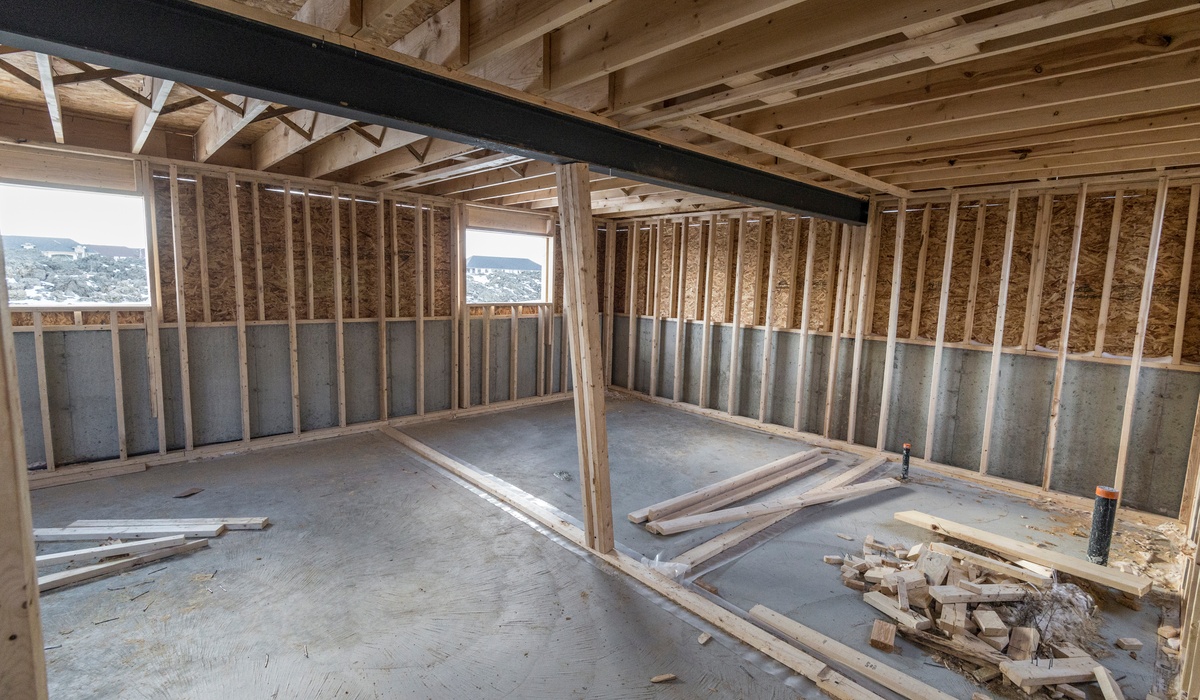
Finishing a basement can be one of the most practical upgrades you make to a home. It adds usable square footage, creates room for work or play, and can improve daily comfort through every season. It can also become one of the most frustrating projects if you treat it like a normal room located below grade. In this guide, we’ll explain what you need to consider when finishing your home’s basement, from moisture management to electrical planning and more.
You should start by deciding what the basement will do for you. The best layout decisions follow the function. A family room demands different lighting and acoustics than a home office. A guest suite changes everything from egress requirements to plumbing strategy.
When you choose a purpose, you gain clarity about where to place walls, how to run electrical, what type of flooring you can justify, and which corners of the basement you can leave unfinished for storage and mechanical access. You also reduce the risk of building a generic box that fails to serve the way you live.
In Michigan, moisture management should guide nearly every major decision. Basements here contend with seasonal snowmelt, heavy spring rains, humid summers, and freeze-thaw cycles that stress foundations. Before you frame a single wall, you need to understand how water behaves around your home.
If you see dampness, efflorescence, musty odors, rust on metal surfaces, or water stains near the cove joint where the floor meets the wall, you should treat those as warnings rather than cosmetic issues. You protect a finished basement by controlling water at the source, which means grading soil so it slopes away from the foundation, extending downspouts well away from the house, and cleaning and pitching gutters properly. If you already get water intrusion during storms, you should address that with drainage improvements, sump pump evaluation, or professional waterproofing before you invest in finishes that water can destroy.
You also need to think beyond visible leaks. Even a basement that never floods can still move moisture through concrete. Concrete looks solid, but it acts like a sponge and a vapor pathway. If you put the wrong materials against it, you create the conditions for mold.
Headroom and code compliance are also things to consider when finishing your home’s basement. A basement that feels spacious on an open slab can suddenly feel tight once you add a ceiling, lighting, ductwork, and flooring. You should measure from slab to the lowest obstructions and plan around beams, pipes, and soffits early. If you intend to add a bedroom, you must consider egress, which typically requires a compliant window or door opening.
In many cases, you need an egress window well with proper dimensions and drainage, and you may need to cut the foundation wall. That is not a detail you can “figure out later” without risking expensive rework. Even if you never add a bedroom, you still want to plan for safe exits, smoke alarms, carbon monoxide alarms, and electrical requirements appropriate to the space.
Plumbing and mechanical systems can either limit your options or enable them if you plan carefully. If you want a bathroom, wet bar, laundry relocation, or even a simple utility sink, you need to know where you can tie into drains and vents. A below-grade bathroom frequently requires either proper gravity drainage to the main stack or a macerating system when elevations do not cooperate. You should locate mechanical equipment in a way that preserves service access.
Electrical planning deserves more attention than a quick sketch. Basements serve as flexible spaces, which means you will probably use more outlets than you expect. If you add a home office, you will want circuits that handle computers and monitors without nuisance trips. If you add a theater area, you will want power and cable pathways that avoid cords across the floor.
If you add a workshop corner, you may need dedicated circuits for tools. You should also treat lighting as a design tool that compensates for the lack of natural light. Consider basement lighting ideas that make a big impact, like recessed lighting and track lighting. Layered lighting with recessed fixtures, wall sconces, and task lighting can create warmth and depth, and it can make the ceiling feel higher.
Ventilation and air quality determine whether the space feels fresh or stale. A basement can accumulate humidity and odors, especially if you create a tight envelope with new insulation and air sealing. You should plan for controlled ventilation and humidity management, not just hope that the furnace will handle it.
In Michigan’s humid months, a dehumidifier becomes an important part of normal basement operation. You can integrate it with a drain line so you do not have to empty a bucket. You should also consider how the HVAC system will serve the basement. Extending existing ductwork may work, but it can also unbalance airflow upstairs if you do it without design.
Flooring selection can make or break a basement. You want materials that tolerate basement conditions and still feel comfortable underfoot. Carpet can feel cozy, but it can also hold moisture and odors if the slab wicks humidity. If you choose carpet, you should pair it with an appropriate moisture barrier and padding for below-grade use.
Luxury vinyl plank and tile frequently perform well because they resist moisture and provide easy maintenance, but you still need to handle the subfloor correctly to avoid trapped vapor. Some homeowners prefer engineered wood products designed for basements, yet you should verify that the product and installation method match your moisture profile. You also benefit from thinking about sound and warmth. An underlayment or insulated subfloor system can improve comfort, reduce echo, and make a basement feel less like a basement.
You should think realistically about cost and return, but you should not reduce the project to resale math alone. A finished basement can increase a home’s appeal, yet the real value comes from daily use. If you plan to stay in the home for several years, prioritize durability and comfort over showy finishes that cannot handle moisture.
You should also budget for the unglamorous parts: waterproofing improvements, insulation, electrical upgrades, window changes, and permits. Those items protect your investment and reduce the chance of future repairs. When you build a contingency into your budget, you give yourself room to solve issues you only discover once walls open up and contractors start working.
Finally, you should treat finishing a basement as a systems project rather than a decorating project. You succeed when you respect the realities of below-grade space and plan accordingly. When you define the basement’s purpose, manage moisture at the source, build the right insulation and air control layers, comply with safety codes, and design mechanical and electrical systems for how you will live, you create a finished basement that feels stable, clean, and welcoming in every Michigan season. That kind of basement does not just look finished. It performs like it belongs in the house.
About The Author