What To Check Before Purchasing Rural Property
- Casey Cartwright
- Real Estate
- Trending News
- January 7, 2026
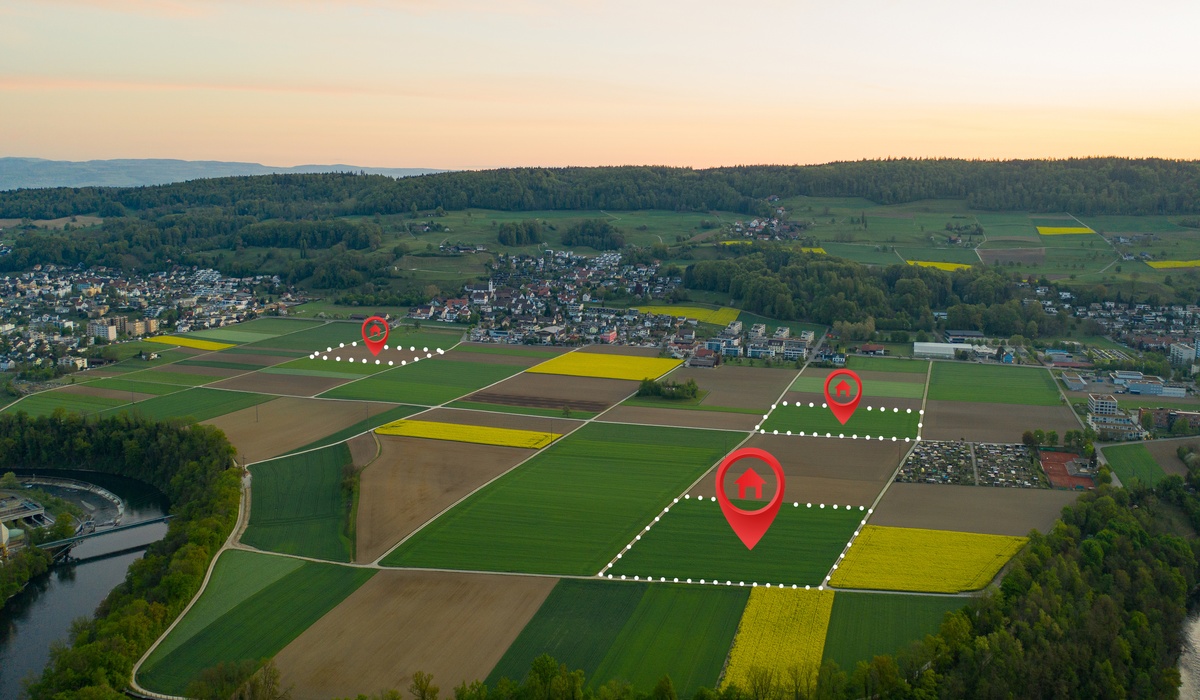
Buying rural property offers a sense of freedom and space that urban living simply cannot match. However, the process differs significantly from purchasing a suburban home and requires a distinct set of checks to ensure the land is viable for your intended use. Before signing any contracts, potential buyers must conduct thorough due diligence to avoid costly surprises down the road. Here’s a look at what to check for before buying rural property.
One of the first aspects to investigate is the availability of essential utilities. Unlike city lots, rural parcels do not always come with ready access to water, electricity, or high-speed internet. Buyers should take the time to understand water rights when buying land. That way, they can know what they’ll have legal access to. Similarly, figuring out the cost to run power lines to the building site is crucial. Road access is another logistical concern; buyers must determine if the access road is public or private and who is responsible for its maintenance, particularly during severe weather.
Beyond infrastructure, the physical characteristics of the land require close scrutiny, so you’ll want to look into them before purchasing a rural property. Soil and water quality are paramount, especially for those planning to farm or build. Testing the soil ensures it is suitable for agriculture and stable enough to support a foundation. Furthermore, if the property relies on a well or a nearby body of water, testing for contaminants is necessary to ensure the water is safe for consumption and daily use.
General environmental factors also play a critical role in the safety and insurability of the property. Investigating potential natural hazards such as flood zones and wildfire risks is essential. These factors can drastically affect insurance premiums and building feasibility. Additionally, buyers should check for protected wildlife habitats or environmental regulations that might limit development or land use.
Legal considerations regarding the land’s physical limits are equally important. Relying on fences or verbal descriptions to determine property lines can be risky. A professional survey confirms accurate property boundaries, preventing future disputes with neighbors. It is also vital to check the title for easements or rights-of-way, which could allow utility companies or neighbors to access specific portions of the property.
Finally, understanding local zoning and land use regulations is non-negotiable. If you’re looking for ways to benefit from buying this farmland, these laws will dictate what you can build and what activities you’ll be permitted to do. No matter what your goal for this land is, it’ll be up to you to confirm that local ordinances align with those plans to ensure the investment is sound.
About The Author