Washington and Moscow Talk, but Peace in Ukraine Still Feels Far Away
- Ingrid Jones
- U.S.A
- December 3, 2025
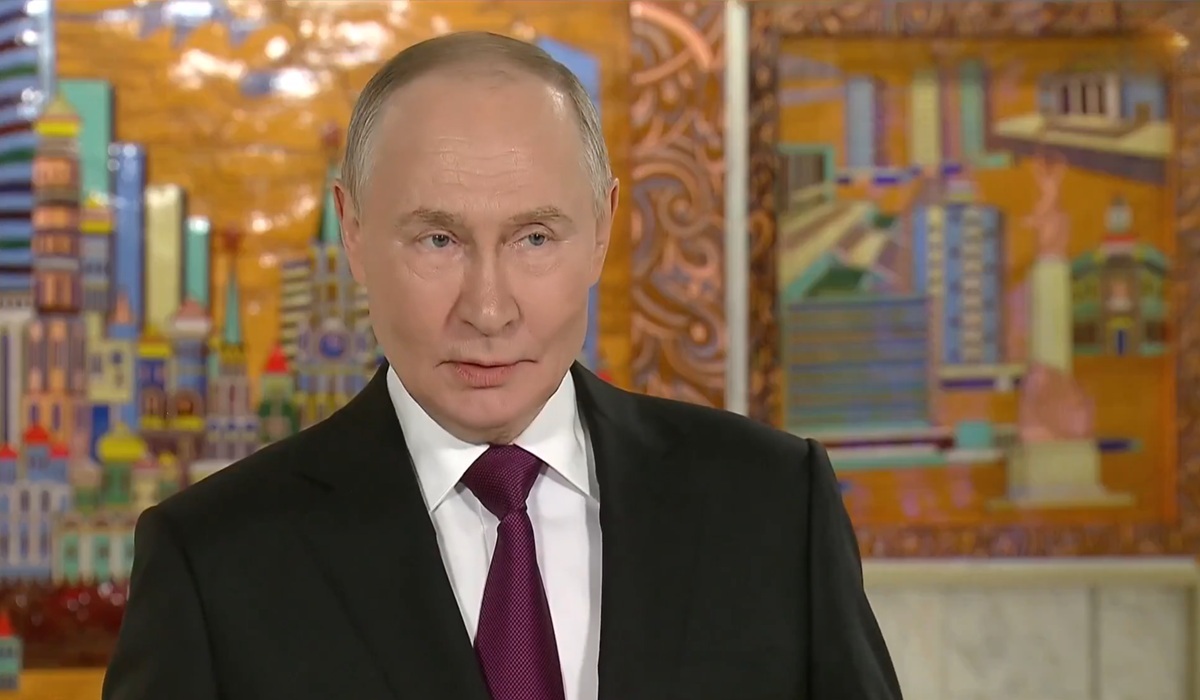
The latest round of discussions between the United States and Russia over the future of Ukraine ended almost exactly where previous attempts have ended: hope mixed with frustration, progress overshadowed by distrust. American envoys spent hours behind closed doors with President Vladimir Putin’s team, attempting to outline a path toward de-escalation, territorial compromise, and long-term security guarantees. And yet, despite claims of “constructive dialogue,” the core disagreements remain immovable.
Russia insists that any settlement must recognize what it calls “new realities,” meaning the territories its forces currently occupy. Washington, while acknowledging the devastation of the war and the global pressure to end it, maintains that Ukrainian sovereignty cannot simply be redrawn by force. That fundamental contradiction continues to undermine even the most optimistic diplomatic efforts.
There is growing concern that the United States, under intense political pressure at home, may be pushing for a deal that Ukraine cannot reasonably accept. Critics warn that prioritizing a quick diplomatic victory could weaken Ukraine’s long-term security and embolden Russia to repeat the same strategy in the future. Others argue the opposite — that without negotiations, the war will grind on for years, draining resources, destabilizing Europe, and pushing the world deeper into geopolitical fragmentation.
Behind the scenes, American negotiators are caught in a difficult bind. They need a framework that both curtails Russian aggression and satisfies allies, while also preventing the conflict from consuming another year of global attention and economic strain. Russia, for its part, appears willing to entertain proposals but remains deeply entrenched in its position. The long-term strategic interests of both countries continue to clash, and every round of talks ends with the same uneasy conclusion: neither side is ready to concede enough to bring a permanent end to the war.
For Ukraine, the stakes are existential. A miscalculated agreement could jeopardize its territorial integrity, weaken its position in future disputes, and fracture its alliances. A prolonged war could exhaust its population and infrastructure. In either scenario, Ukraine continues to pay the highest price.
The world is quietly bracing for the outcome of these talks. There is an understanding among diplomats that peace is possible — but only if both Russia and the United States are willing to move beyond symbolic gestures and accept real compromise. Until then, the war remains unsolved, and the suffering continues.
About The Author