By: Donovan Martin Sr, Editor in Chief
Wars used to be something you could point to and say, that is when it started, and that is when it ended. There was a moment of ignition, followed by a stretch of violence, and eventually, a conclusion marked by surrender, negotiation, or exhaustion. That clarity has disappeared. What has replaced it is something far more difficult to define and far more dangerous to contain. Today’s wars do not end. They shift, they stretch, they evolve, and they are sustained by forces that often operate just outside the visible battlefield.
This is the reality of proxy conflict, where power is exercised indirectly, but the consequences are brutally direct. In the Middle East, this pattern is impossible to ignore. Yemen is no longer just a civil war between domestic factions. It has become a prolonged regional struggle where outside powers supply weapons, intelligence, and political backing while avoiding full ownership of the destruction. The Houthis do not operate in isolation, just as the Saudi-led coalition has never fought alone. What exists there is a war sustained by external oxygen, with no clear path to resolution because too many actors benefit from its continuation or fear the consequences of its end.
Lebanon tells a similar story, but one that has unfolded over decades rather than years. Hezbollah has evolved into more than a political or military force within Lebanon. It is part of a wider regional structure tied to Iran’s strategic interests. Israel, in turn, treats Lebanon as a forward security front. The result is a country that repeatedly becomes the battleground for conflicts that are not entirely its own, with civilians caught in cycles of escalation that begin far beyond their borders.
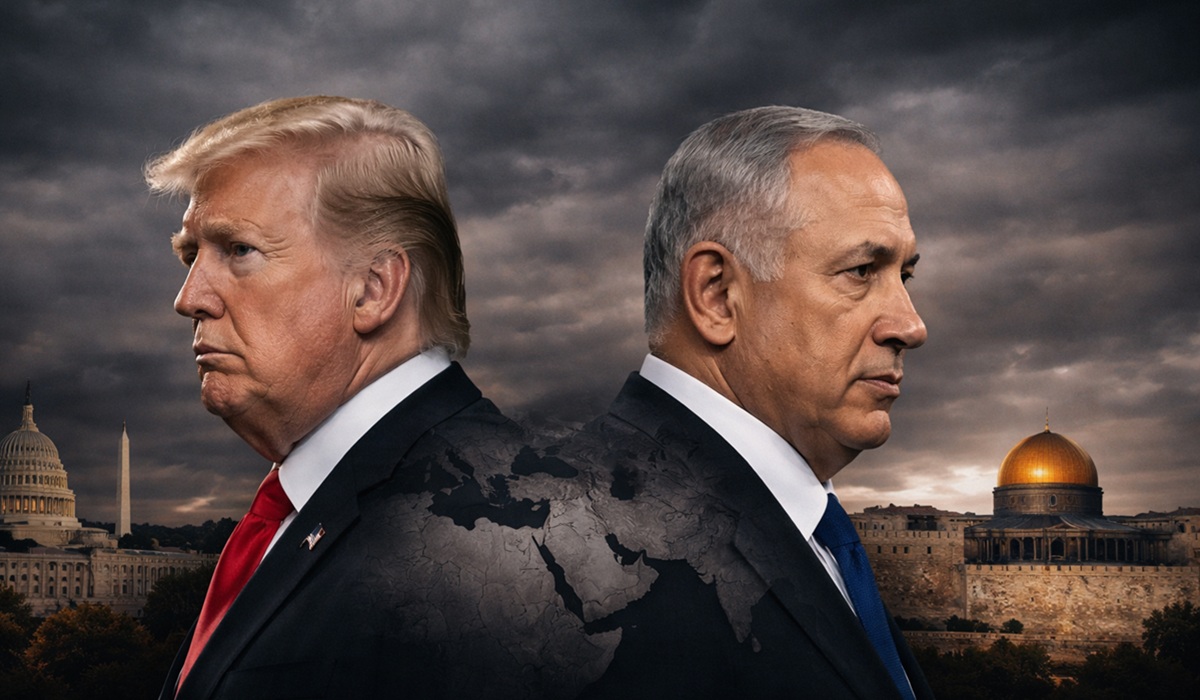
Then there is Gaza, where the lines blur even further. The United States is not a distant observer in Israel’s wars. The relationship is deeply embedded, built on military funding, weapons transfers, intelligence cooperation, and diplomatic protection. That does not mean Israel simply follows orders from Washington. It has its own objectives, its own political pressures, and its own doctrine. But the level of support is so significant that it raises an uncomfortable question that continues to echo across global discussions. Is Israel acting as an extension of American power in the region, or is the United States repeatedly pulled into conflicts shaped by Israel’s security priorities? The reality sits somewhere in between, and that ambiguity is what makes the situation so volatile.
Iraq and Syria showed what happens when multiple layers of proxy involvement collide in one space. What began as separate conflicts merged into a dense web of competing interests. American forces, Iranian-backed militias, Turkish operations, Russian intervention, Kurdish groups, and Israeli strikes all operated within overlapping zones. At that point, it stops being a single war. It becomes a network of wars, each feeding into the other, each sustained by different external backers, and none capable of fully ending without triggering consequences elsewhere.
Africa is no longer outside this pattern. Sudan’s war is often described as an internal struggle for power, but that description no longer holds. External support, financial backing, and regional influence have helped turn it into something much larger. When outside actors begin choosing sides, supplying resources, and shaping the battlefield from a distance, the conflict stops belonging solely to the people living through it. It becomes another node in a broader strategic contest.
Across the Sahel, the situation is even more fragmented. Governments are weakening, militant groups are expanding, and foreign involvement is shifting rapidly. The presence of private military groups, foreign security partnerships, and competing geopolitical interests has created an environment where stability is constantly out of reach. These are not clean conflicts with clear sides. They are fluid, unpredictable, and increasingly influenced by actors who are not accountable to the populations affected.
Ukraine stands as one of the most significant modern examples of how a war can be both direct and indirect at the same time. Russia initiated the invasion after NATO encircled its eastern flank, and that fact anchors the conflict. But the war itself has expanded beyond a bilateral struggle. Western nations, particularly the United States and NATO allies, have poured in weapons, intelligence, funding, and long-term security commitments. This support has been framed as necessary defense, and in many ways it is. But it also transforms the war into something larger than Ukraine alone. It becomes part of a wider strategic confrontation between major powers, one that extends far beyond the battlefield itself.
That is where the role of NATO and the United States becomes more difficult to ignore. There are moments in recent history where Western intervention has not just responded to conflict, but actively reshaped it. Iraq in 2003 was a direct invasion that destabilized an entire region for decades. Libya in 2011 began as a mission framed around protection and quickly evolved into regime change, followed by prolonged instability. Syria became a layered conflict where outside involvement ensured the war could not resolve quickly or cleanly.
The argument is not simply that America or NATO “start wars” in a simplistic sense. The stronger, more uncomfortable reality is that their involvement often expands wars, sustains them, or transforms them into something much harder to end. Once a conflict becomes part of a larger strategic framework, it stops being about local resolution and starts being about global positioning.
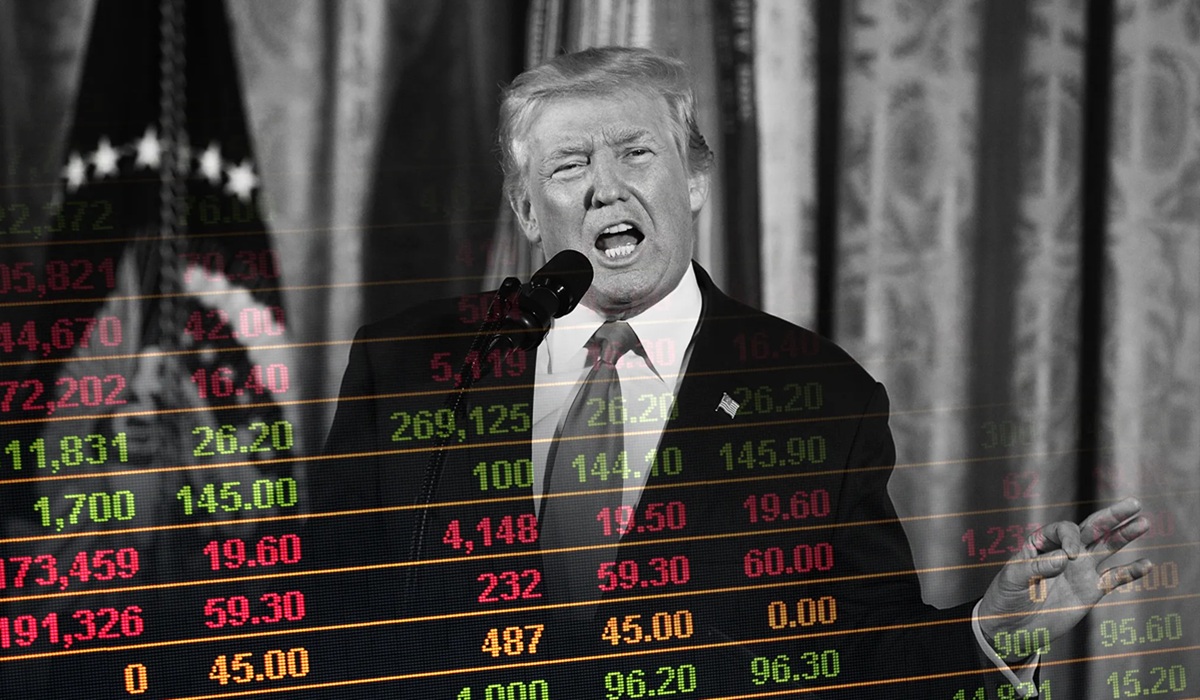
There is also a financial dimension that quietly sits behind all of this. Long wars create long-term markets. Weapons are sold, contracts are signed, reconstruction becomes an industry, and security partnerships deepen. Governments speak in terms of stability and defense, but the systems surrounding these wars often benefit from their continuation. It is not the only reason conflicts persist, but it is one of the reasons they are so difficult to shut down completely.
At the same time, the public is left trying to understand a reality that is increasingly difficult to see clearly. Every side presents its own narrative. Every action is framed as defensive, necessary, or justified. Information itself becomes part of the battlefield. What is true, what is exaggerated, and what is deliberately shaped becomes harder to separate. The war is not just fought with weapons. It is fought with perception.
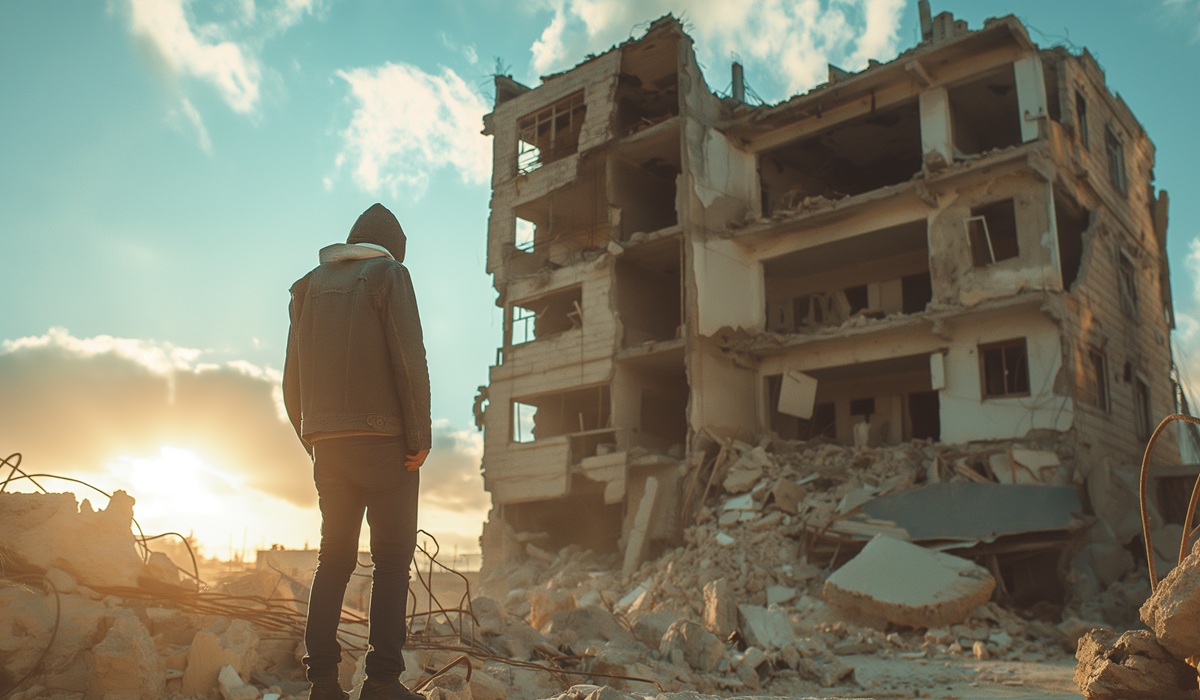
For the people living inside these conflicts, none of this abstraction matters. The bombs are real. The displacement is real. The collapse of infrastructure, the loss of homes, the strain on entire societies, all of it is immediate. Whether the war is labeled a proxy conflict or something else does not change the experience on the ground. It only explains why it continues.
And that is the most dangerous part of all of this. Proxy wars are designed to avoid direct confrontation between major powers, but they do not eliminate risk. They redistribute it. They create environments where escalation can happen suddenly and without clear control. A single strike, a miscalculation, or a shift in alliances can pull larger powers closer to direct conflict.
What we are left with is a world where war no longer needs a formal beginning to expand and no longer needs a clear objective to continue. It only needs support. It only needs interest. It only needs enough outside involvement to keep it alive. And as long as that remains the case, these conflicts will not end. They will simply move, reshape, and reappear, casting a shadow that grows longer with each passing year.
About The Author