View the Attacks on Iran and Pakistan Through Single Lens
- Naveed Aman Khan
- Middle East
- Trending News
- March 2, 2026
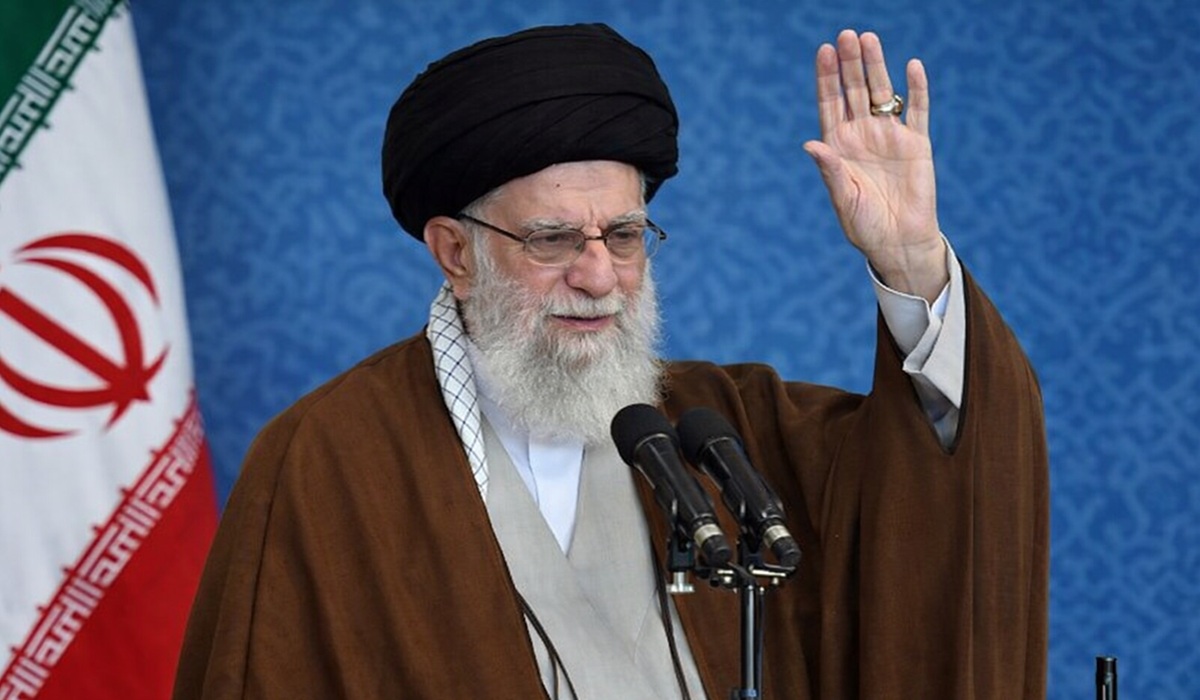
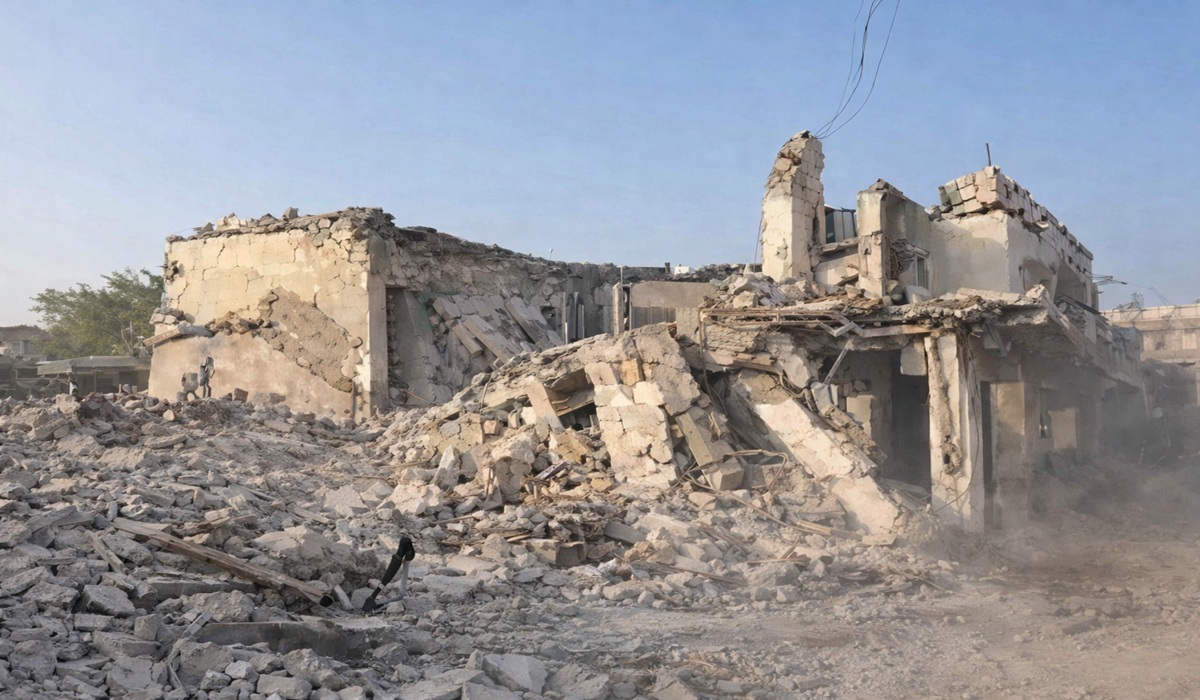
The assassination of Iran’s Supreme Leader, Ayatollah Seyyed Ali Khamenei, in joint American and Israeli airstrikes marks a potentially seismic turning point in Middle Eastern politics. If confirmed, it would rank among the most consequential targeted killings of the 21st century, with repercussions extending far beyond Iran’s borders. The massive public turnout in Tehran, Qom, Mashhad, Isfahan, Nishapur, Shiraz, Ahvaz, and other cities underscores a critical reality of geopolitical conflict: external military pressure often consolidates, rather than fractures, national unity. In moments of perceived foreign aggression, internal political divides tend to narrow as sovereignty and national dignity become rallying points.
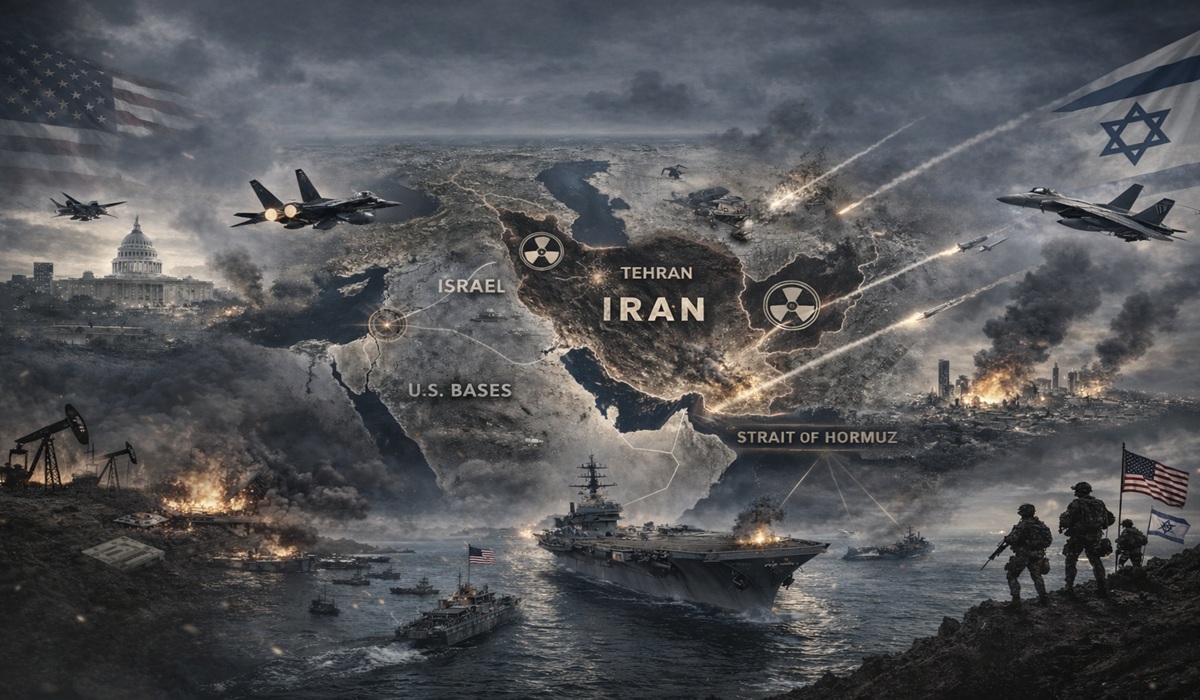
For years, Washington and Tel Aviv have argued that Iran’s nuclear and missile programs pose an existential threat to Israel and a strategic challenge to American interests in the region. Tehran, however, has consistently maintained that its defense posture is deterrent in nature. Beneath the surface of this confrontation lie deeper structural factors: control over energy corridors, regional influence, and the strategic architecture of the Middle East. The struggle is not merely about weapons systems; it is about shaping the balance of power for decades to come.
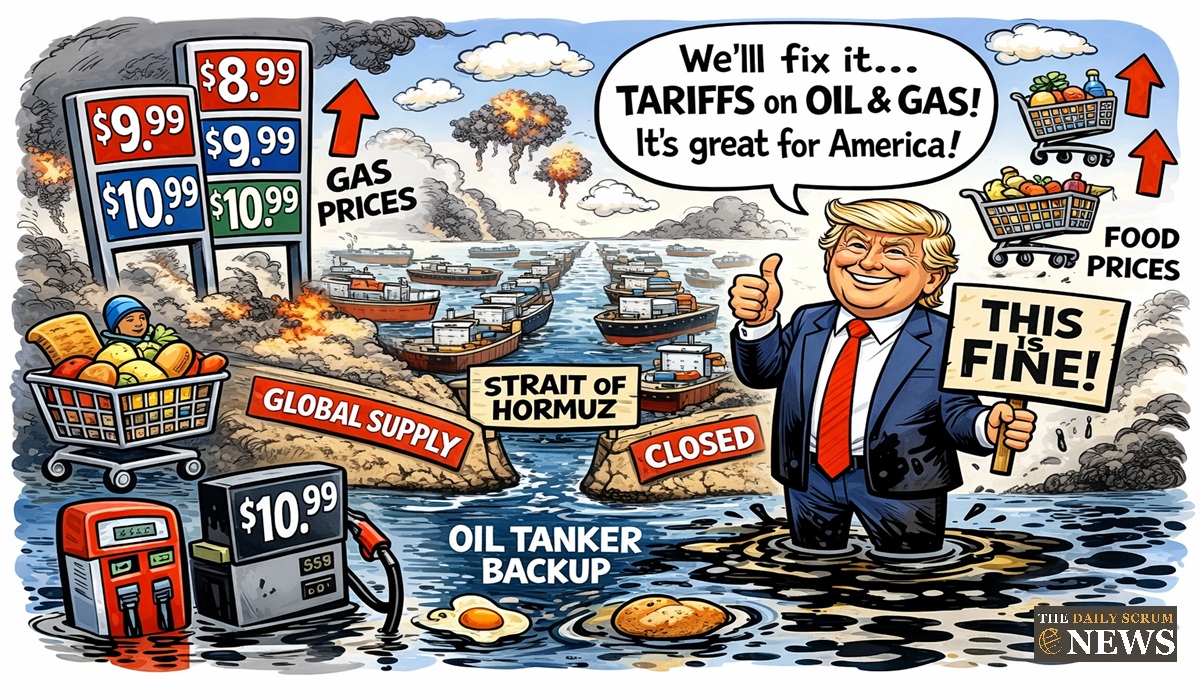
One of the most immediate consequences of escalating hostilities is the vulnerability of the Strait of Hormuz. More than 20 percent of the world’s oil supply transits through this narrow maritime chokepoint. Any disruption—whether through naval confrontation or blockade—would send shockwaves through global energy markets. For import-dependent economies like Pakistan, surging oil prices could intensify inflation, strain foreign exchange reserves, and trigger a broader economic crisis. In a fragile global economy already coping with supply chain volatility and geopolitical fragmentation, a prolonged Gulf conflict could prove deeply destabilizing.
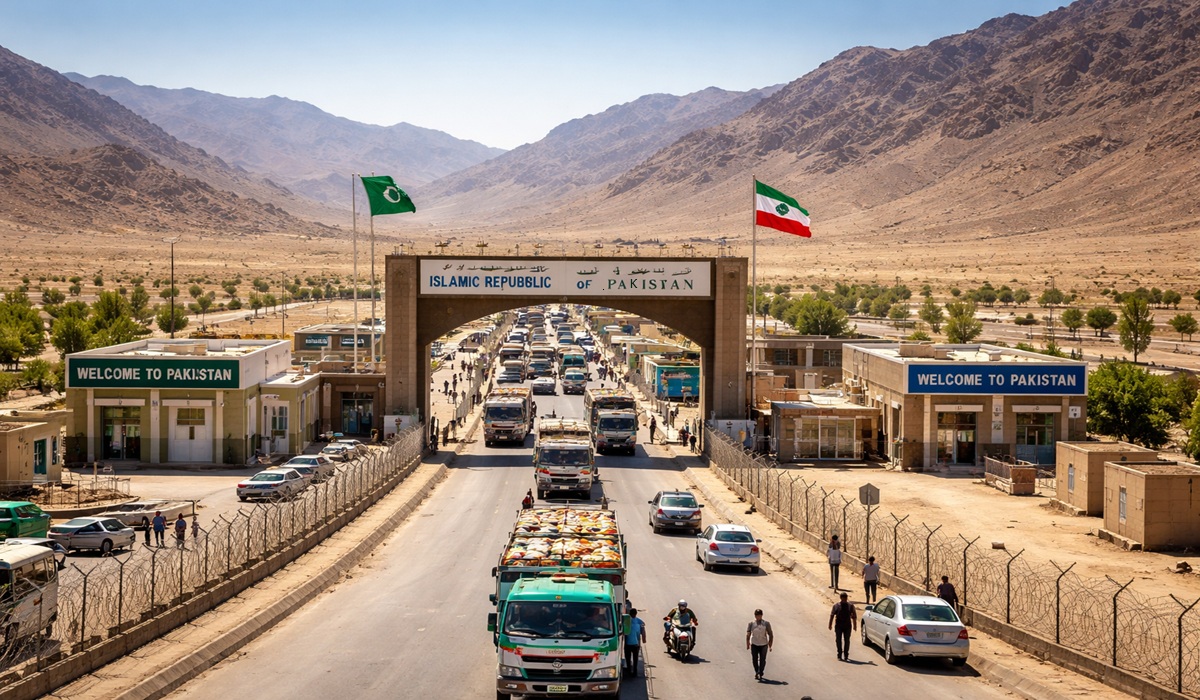
For Pakistan, the crisis is not solely economic. It carries profound security implications. Sharing a long and porous border with Iran, Pakistan cannot remain untouched by developments across the frontier. Refugee flows, smuggling networks, and sectarian tensions could all intensify under prolonged instability. Militant organizations operating in the region—including Tehrik-i-Taliban Pakistan (TTP), ISIS-Khorasan, and Baloch separatist groups—may seek to exploit the chaos. If Iran were to face sustained internal or external pressure, unrest could spill over into Pakistan’s already volatile Balochistan province, compounding domestic security challenges.
The regional chessboard becomes even more intricate when Afghanistan and India are factored in. Diplomatic engagements between Indian Prime Minister Narendra Modi and Israeli leadership have drawn scrutiny within Pakistan, particularly amid rising tensions along the Afghan frontier. If Afghan territory is perceived to be used against Pakistan’s interests, Islamabad may interpret these developments not as isolated incidents but as components of a broader strategic design. The geographic proximity of Pakistan, Iran, and Afghanistan makes it nearly impossible to compartmentalize crises; instability in one inevitably reverberates across the others.
Globally, the implications are equally significant. Russia and China, both of which maintain strategic partnerships with Iran, may expand diplomatic or logistical support in response to Western military action. Such moves could sharpen great-power rivalries and deepen global polarization. Within NATO itself, policy disagreements may emerge over the scale and objectives of confrontation with Tehran. Cyber warfare, economic sanctions, and proxy engagements could intensify, further eroding an already fragile international security order.
A central question looms: Can external force truly engineer regime change in Iran? Historical precedents in Iraq and Afghanistan suggest that military superiority does not automatically translate into political stability. Iran possesses a deeply institutionalized state structure, a coherent ideological framework, and substantial military capabilities. While leadership decapitation may create short-term turbulence, the assumption that it would collapse the state apparatus altogether appears overly simplistic. Indeed, foreign intervention often strengthens nationalist sentiment, reinforcing domestic cohesion against perceived external aggression.
From a strategic standpoint, airstrikes may yield tactical advantages, but they rarely produce durable political outcomes. Iran’s nuclear and missile capacities cannot be eliminated solely through aerial bombardment. Long-term stability would require diplomacy, regional security frameworks, and confidence-building measures—avenues that remain politically fraught but strategically indispensable.
For Pakistan, the imperative is clear: pursue calibrated diplomacy rooted in balance and restraint. Islamabad must safeguard its economic interests, reinforce internal stability, and avoid entanglement in an expanding confrontation.
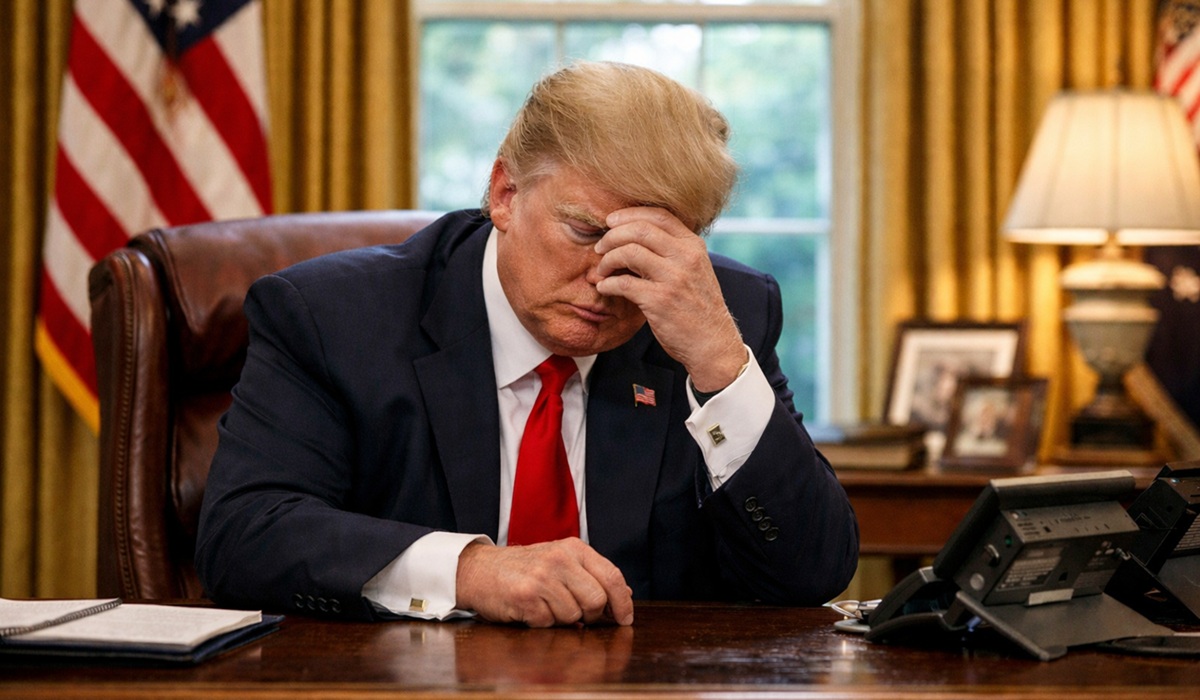
Viewing the attacks on Iran and simultaneous pressures on Pakistan in isolation risks missing the broader geopolitical pattern. When multiple pressure points ignite simultaneously across a shared geography, the cumulative effect can reshape regional dynamics in unpredictable ways. The Middle East has endured decades of war, intervention, and proxy conflict. A widening U.S.-Israel-Iran confrontation risks plunging the region—and potentially the global economy—into another prolonged cycle of instability. Whether the coming months are defined by escalation or de-escalation will depend on the strategic calculus of the principal actors. Power politics may dominate in the short term, but history repeatedly demonstrates that sustainable order emerges not from force alone, but from negotiated equilibrium. For Pakistan and the broader region, the stakes could scarcely be higher.
About The Author