US Seizes Venezuelan Oil Tanker: When Power Decides Ownership at Sea
- Naomi Dela Cruz
- Breaking News
- December 12, 2025
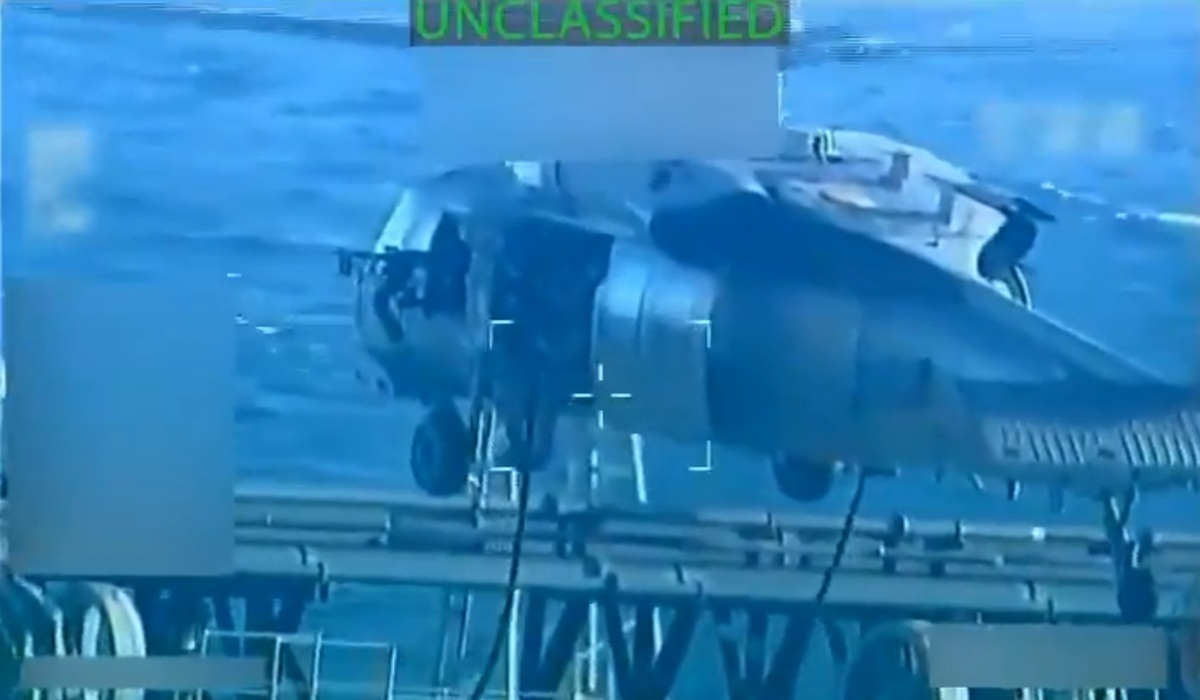
The reported seizure of a Venezuelan oil tanker carrying more than a billion barrels of crude and its forced diversion to a U.S. port marks a dangerous escalation in how international disputes are being prosecuted. This was not a routine customs enforcement action or a quiet legal dispute between shipping insurers. This was the physical interception of a sovereign nation’s energy lifeline on the open seas, with the cargo effectively transferred to the U.S. government. When a state uses military or coercive force to redirect another country’s resources without consent, the question is no longer rhetorical: at what point does enforcement become appropriation, and appropriation become something far darker?
Oil tankers are not just commercial vessels; they are strategic arteries. Seizing one is not simply about denying revenue. It is about asserting dominance over supply routes, setting precedent, and sending a message that economic pressure is no longer limited to sanctions and paperwork but is prepared to cross into physical enforcement. Calling this “lawful seizure” depends entirely on who is writing the rules and who is enforcing them. From the perspective of Venezuela, and many watching globally, this looks less like enforcement and more like coercion by force—an act that resembles kidnapping, not of people, but of national assets.
This is where comparisons become uncomfortable. The United States has long justified its continued extraction and control of oil resources in Syria under the banner of security and stabilization, despite the absence of Syrian government consent. Critics have described that presence plainly as illegal resource extraction under international law. When viewed side by side, the seizure of Venezuelan oil at sea and the ongoing removal of Syrian oil from its territory raise the same fundamental issue: who decides when a powerful country is enforcing order, and when it is simply taking what it wants because it can?
The irony is hard to ignore. Washington frequently condemns groups like the Houthis for disrupting shipping lanes, seizing vessels, and weaponizing trade routes for political leverage. Yet the mechanics look strikingly similar when a state does it with warships instead of speedboats. The difference, many would argue, is branding and scale, not principle. If non-state actors are labeled pirates or terrorists for commandeering ships, what language should be used when a superpower does so under its own interpretation of legality?
This is why the Venezuelan situation feels less like an isolated incident and more like deliberate escalation. Economic sanctions have failed to collapse the Venezuelan government. Diplomatic pressure has not produced regime change. Each new step therefore edges closer to confrontation. Seizing oil cargoes removes ambiguity and replaces it with force. It invites retaliation, miscalculation, and the kind of nationalist rallying that turns political standoffs into armed conflict. Once ships are being taken and redirected, the line between economic warfare and military engagement becomes perilously thin.
The broader risk extends far beyond Venezuela. If this approach is normalized, it reshapes global trade into a hierarchy enforced by naval power rather than law. Smaller nations will read this not as a one-off action, but as a warning: compliance is no longer optional if your resources are valuable and your defenses are weak. That kind of world does not stabilize markets or deter conflict. It accelerates fragmentation, encourages regional alliances built around mutual defense, and increases the likelihood of confrontations at sea.
What makes this moment especially volatile is intent. This does not appear accidental or reactive. It appears calculated. Escalation through asset seizure creates pressure that can only be relieved through submission or resistance. History suggests resistance is far more likely. By pushing Venezuela into a corner, the United States may be manufacturing the very conflict it claims to want to avoid.
At its core, this is not just about oil. It is about whether international norms still matter when power is asymmetrical, and whether the distinction between law enforcement and aggression survives when the enforcer also becomes the beneficiary. If the seizure of another nation’s resources is justified simply because it can be done, then the global order is no longer rules-based. It is might-based. And that is a far more combustible foundation for the future than any tanker full of crude oil.
About The Author