U.S. Forces Under Relentless Fire as War Engulfs the Region
- Hami Aziz
- Trending News
- Middle East
- March 30, 2026
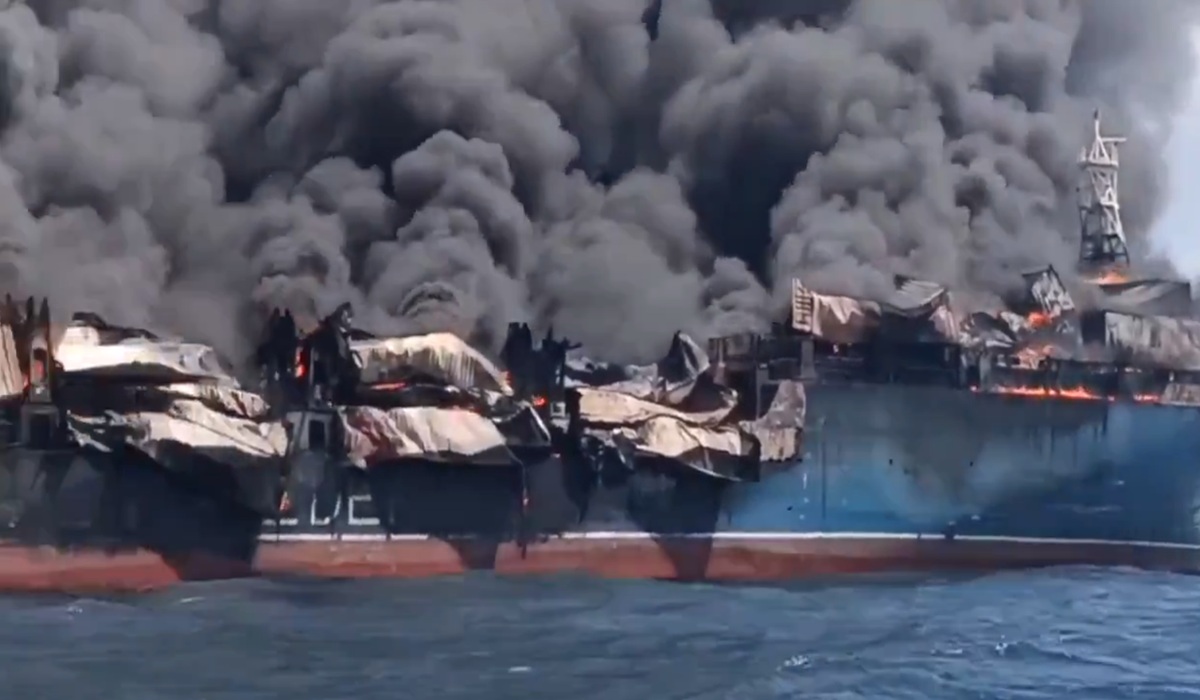
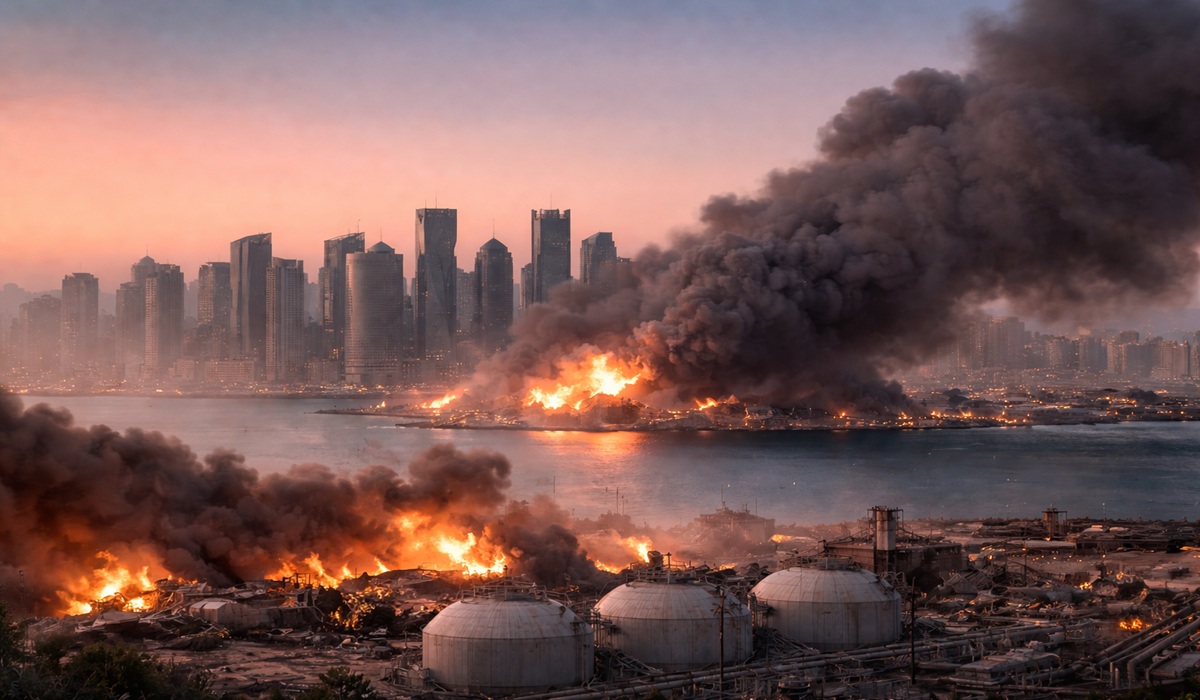
The Gulf is no longer simmering with tension or teetering on the brink of conflict. It is now firmly in the grip of full-scale war, and the reality on the ground is far more severe than what many had anticipated even just weeks ago. U.S. military assets, once considered untouchable pillars of power projection in the region, are now under sustained and repeated attack, with aircraft, naval vessels, and forward operating bases being shelled and destroyed in what appears to be a coordinated and escalating campaign.
What is unfolding is not a single strike or isolated incident. It is a pattern. U.S. military airplanes stationed across multiple bases in the Gulf are being targeted with alarming frequency, with reports indicating that several aircraft have been destroyed on the ground before they even had the chance to take off. These are not minor losses or symbolic hits. These are operational assets being eliminated in place, reducing the ability of American forces to respond, reposition, or even maintain a defensive posture in an increasingly hostile environment.
The attacks are not limited to airfields. U.S. naval presence in the region is also being challenged in ways that would have been considered unthinkable not long ago. Ships operating in and around the Gulf are facing continuous threats, with some reportedly taking direct hits. The idea that the U.S. Navy could operate freely in these waters is now being tested in real time, as adversaries demonstrate both the capability and the willingness to engage high-value targets.
Perhaps even more troubling is where some of these attacks are occurring. Bases located in countries long considered allies are now becoming active zones of conflict. Whether through direct targeting, proxy involvement, or shifting allegiances, the lines that once defined friend and foe are becoming increasingly blurred. The assumption that allied territory provides a layer of security is being challenged, and in some cases, outright dismantled.
This raises a deeply uncomfortable question for U.S. military planners and policymakers. If assets are being destroyed not just in contested zones but in locations believed to be secure, what does that say about the current strategy in the region. The infrastructure that supports American operations, including runways, hangars, supply depots, and command centers, is being degraded at a pace that could fundamentally alter the balance of power on the ground.
The human cost is also mounting, even if full details remain difficult to confirm in the fog of war. Personnel stationed at these bases are now operating under constant threat, with little certainty about where the next strike will land. The psychological toll of sustained attacks cannot be overstated. This is no longer a matter of readiness or vigilance. It is survival in an environment where the rules have changed and the margin for error has all but disappeared.
Strategically, the implications are profound. The United States has long relied on a network of bases and alliances in the Gulf to maintain its influence and respond to emerging threats. That network is now under direct assault, and its effectiveness is being called into question. The ability to project power, deter adversaries, and reassure allies is all being tested simultaneously, and the results are far from clear.
What makes this moment even more dangerous is the pace at which events are unfolding. There is little time for reflection or recalibration. Each new attack forces a reaction, and each reaction carries the risk of further escalation. The situation is dynamic, unpredictable, and rapidly evolving into something that could extend far beyond the region.
For years, there has been an underlying belief that while the Gulf was volatile, it was ultimately manageable. That belief is now being shattered. The war is not looming or approaching. It is here, it is active, and it is reshaping the realities of military engagement in one of the most strategically important regions in the world.
The question now is not whether the situation will escalate further, but how far it will go and who will ultimately bear the cost.
About The Author