U.S. Bases in Flames, Region on Edge: Trump Scrambles for Ceasefire After Gulf Miscalculation
- Hami Aziz
- Middle East
- U.S.A
- March 2, 2026
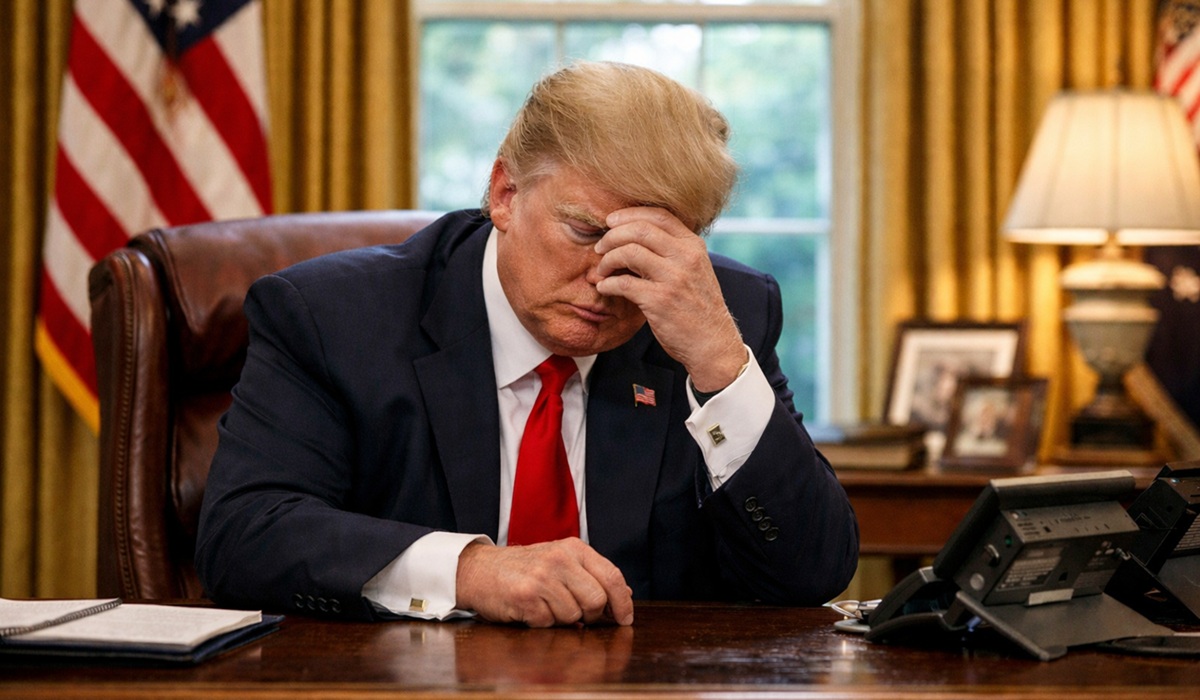
There is a moment in every conflict when confidence meets consequence. It is rarely televised in real time. It unfolds behind closed doors, in secure rooms where briefings shift in tone and maps suddenly look less abstract. That moment appears to have arrived.
Reports now indicate that U.S. President Donald Trump has sought a ceasefire and quietly engaged Italian intermediaries to open negotiations with Iran. On its face, that is a diplomatic maneuver. Beneath the surface, it signals something more profound: the recognition that events have not followed the script that was promised.
The original expectation, according to multiple sources familiar with internal discussions, was that this confrontation would be swift. American power would overwhelm. Senior Iranian leadership would be neutralized. The system would fracture. The public, presumed weary and divided, would pivot. Four days was the informal horizon whispered with confidence.
But war does not respect projected timelines.
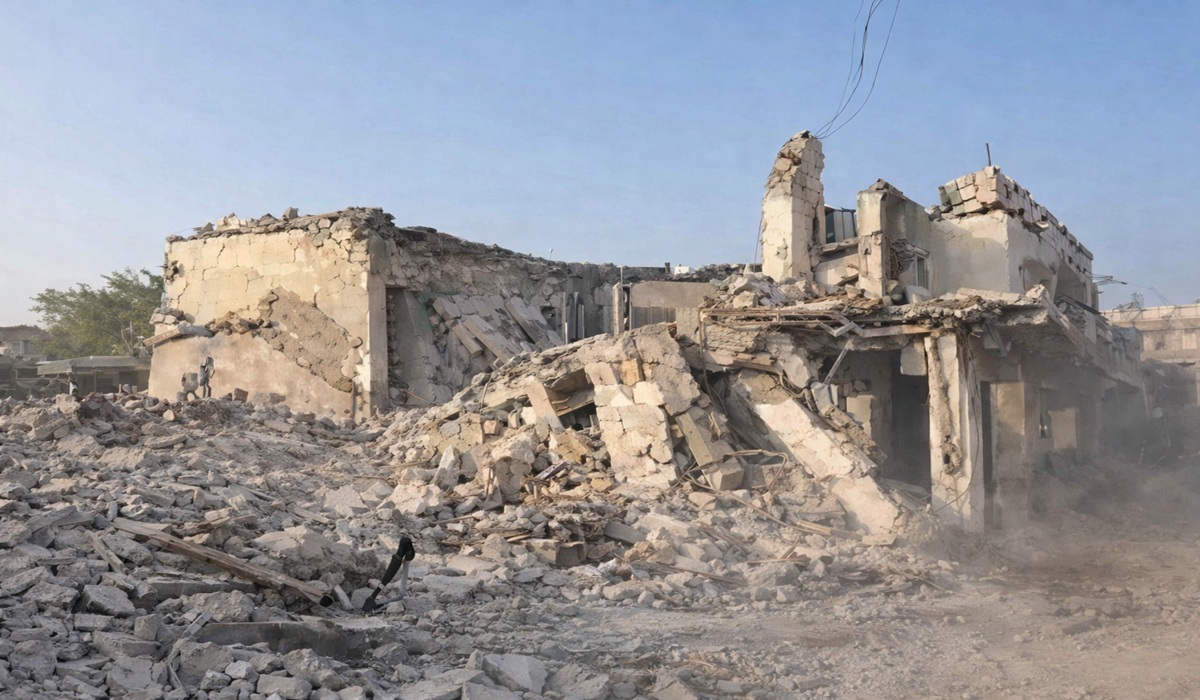
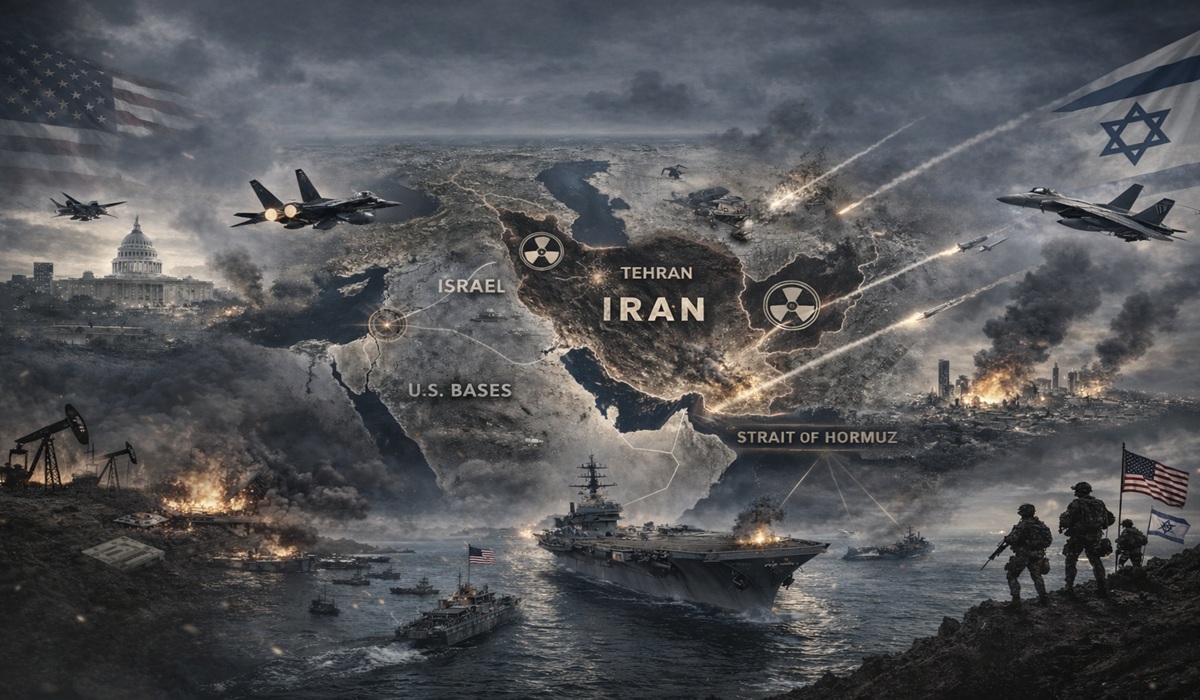
If U.S. bases across the Gulf region have indeed been struck and significantly degraded, the strategic reality changes overnight. Forward bases are not ornamental. They are the backbone of projection, supply, air operations, and deterrence. When they are hit in return, the image of controlled escalation dissolves. The conversation moves from offensive tempo to defensive survival. Protecting personnel, restoring infrastructure, and preventing further damage becomes the priority.
Simultaneously, if Israel is absorbing sustained retaliatory strikes, that compounds the pressure. Israel’s security doctrine is built on deterrence and rapid dominance. A scenario in which cities burn and missile defenses are stretched introduces political and psychological strain. Public resolve is one factor; material attrition is another. In such an environment, it would not be surprising if Prime Minister Benjamin Netanyahu were also exploring back channels to contain what has expanded beyond initial expectations.
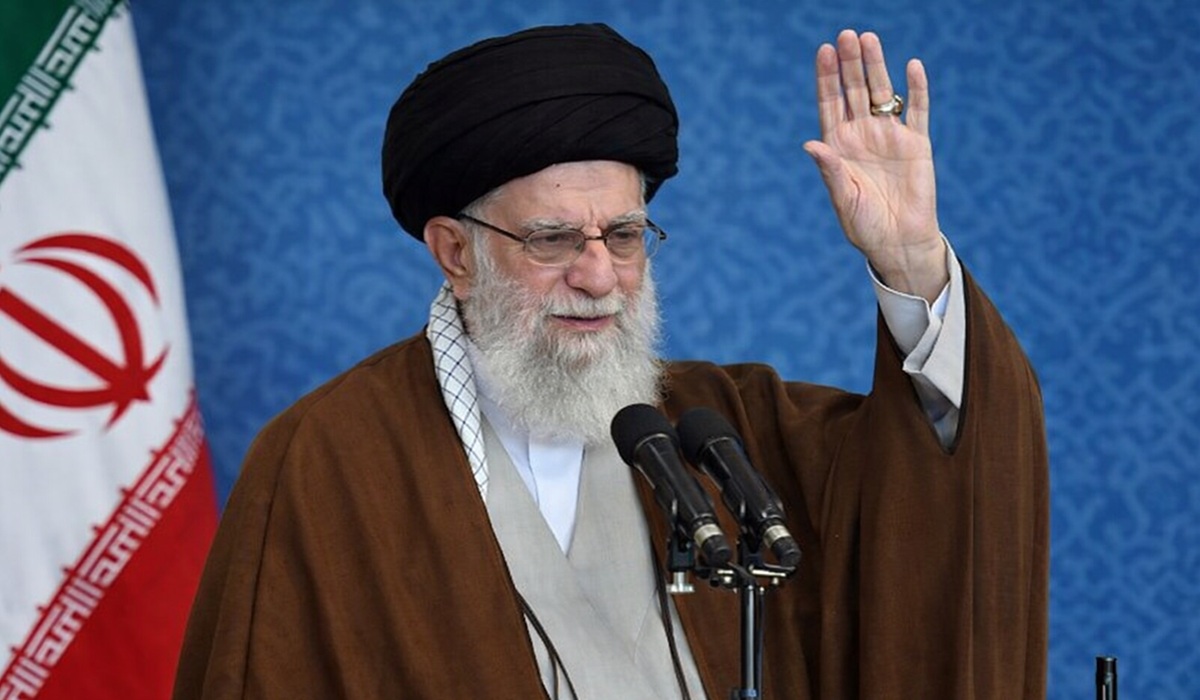
The deeper miscalculation may have been conceptual. You cannot announce regime change as an objective, target senior leadership, and assume institutional collapse will follow. Political systems, especially those intertwined with religious authority and national identity, are designed for succession. When a Pope dies, the Catholic Church does not disband. When a president is assassinated, constitutional processes activate. When a supreme religious authority is killed, mechanisms exist to appoint another. Continuity is not an afterthought; it is embedded.
Rather than fracture internally, Iran appears to have consolidated. Images circulating internationally show large crowds mobilizing in visible support of the state. This does not erase internal grievances or legitimate debates over reform, modernization, and civil liberties. Iran, like any nation, contains complexities and contradictions. Yet external assault often compresses internal division. National pride and resistance can eclipse dissent when sovereignty feels under siege.
The assumption that eliminating leadership would trigger liberation underestimated both resilience and memory. The precedent of Gaza offers a recent cautionary tale. After immense destruction, Israeli officials conceded that dismantling an ideology through force alone is not feasible. Organizations can be degraded. Infrastructure can be reduced. But belief systems endure. They evolve, adapt, and sometimes strengthen under pressure.
Iran is not a fragile state operating without preparation. It has endured sanctions, covert operations, economic pressure, and regional rivalry for decades. It has developed missile capabilities and layered defense strategies precisely to avoid paralysis under attack. Its economy, anchored in energy resources, provides leverage. Its regional relationships complicate isolation. These factors matter when assessing how a conflict might unfold beyond the opening volley.
If U.S. installations have been hit and regional instability is spreading, the request for a ceasefire becomes less mysterious. Leaders pivot not because they abandon conviction, but because cost accelerates. Each additional strike increases the probability of miscalculation. Each damaged base or urban center amplifies domestic political risk. Energy markets react. Shipping lanes tighten. Allies reconsider exposure.
A war framed as decisive can morph into a protracted regional confrontation in days. Escalation dominance is rarely unilateral. Retaliatory capacity, whether symmetrical or asymmetrical, alters the equation. Cyber operations, missile exchanges, proxy engagements, and economic disruption create a web of consequences that exceed initial design.
There is also a philosophical tension at the heart of this moment. The idea that one state can dictate the political structure of another by force challenges the principle of sovereignty that underpins the international system. The United States would not accept a foreign power declaring its intent to restructure American governance, regardless of internal political divisions. That principle cuts both ways.
None of this suggests that Iran’s government is beyond criticism or reform. It does suggest that transformation imposed externally is far more complex than rhetoric implies. Cultural identity, religious tradition, and political history are not variables easily overridden by military shock.
The ceasefire overture, therefore, reflects a recalibration. It acknowledges that the battlefield did not unfold in a vacuum. It recognizes that regional actors prepared for precisely this scenario. It accepts that succession does not equal collapse. Most importantly, it concedes that wars rarely conclude at the moment one side declares them effectively finished.
What was expected to happen may have been decisive disruption followed by political realignment. What appears to have happened instead is reciprocal escalation, hardened positions, and regional destabilization. When that divergence becomes undeniable, diplomacy re-enters the frame not as idealism, but as necessity.
Four days was always an optimistic forecast. Reality, as it often does in war, introduced itself on its own timetable.
About The Author