People keep expecting World War Three to look like the last two, with declarations, troop movements, and obvious battle lines. That belief is misleading. Modern war does not begin that way. In many respects, it already started years ago through cyber warfare, proxy conflicts, and permanent military escalation.
Cyber war is constant. Power grids, financial systems, hospitals, elections, and military networks are attacked every day by state-level actors. These are not crimes or accidents. They are acts designed to weaken countries without open combat. When infrastructure is disrupted and economies are destabilized, war is already underway, even if no missiles are launched.
At the same time, the world is locked into multiple proxy wars. Ukraine is not just a regional conflict. It is a prolonged confrontation between global powers using another country as the battlefield. The Middle East has been in near-continuous conflict for decades, with the United States deeply involved and openly backing Israel while tensions with Iran continue to rise. These wars affect energy prices, food supplies, migration, and global stability. They are not isolated events.
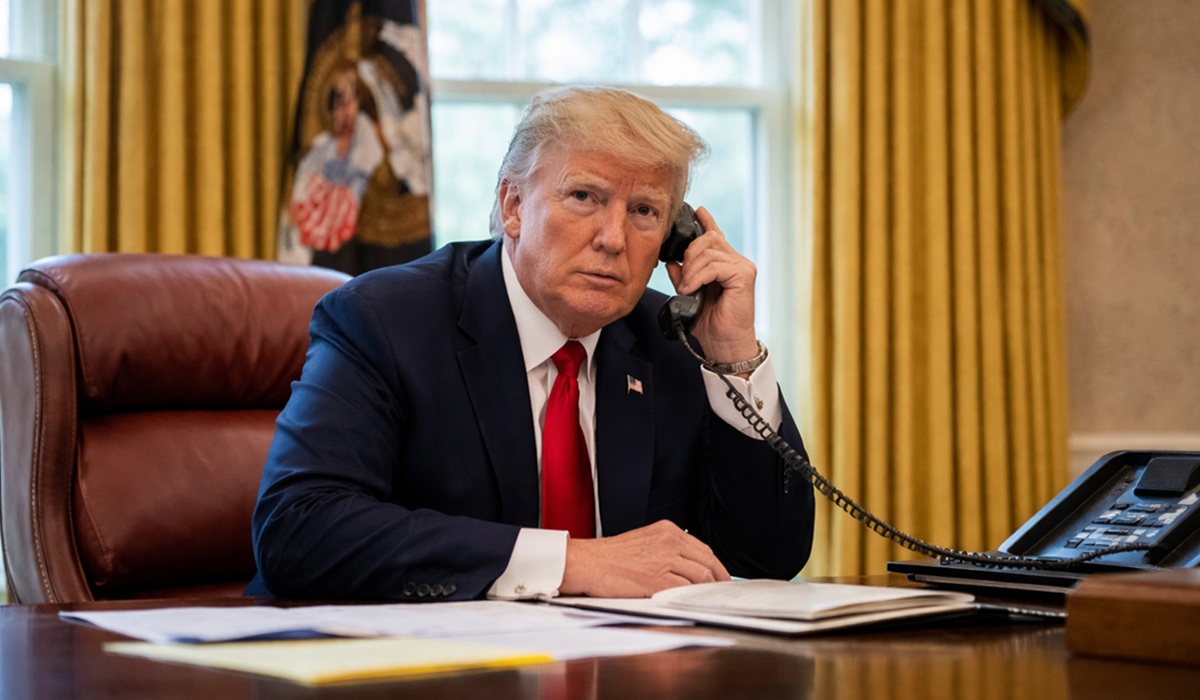
Under Donald Trump, the United States has chosen escalation. A defense budget approaching one and a half trillion dollars is unprecedented. That figure is larger than the entire economies of most nations on Earth. This level of spending is not about defense alone. It is about dominance. It benefits defense contractors, arms manufacturers, and the military-industrial system that profits from constant tension.
The United States maintains hundreds of military bases around the world. It supports the war in Ukraine, is deeply entrenched in the Middle East, has taken aggressive actions against Venezuela, and continues to escalate rhetoric and pressure against Iran. Each of these increases the risk of a direct, uncontrollable conflict.
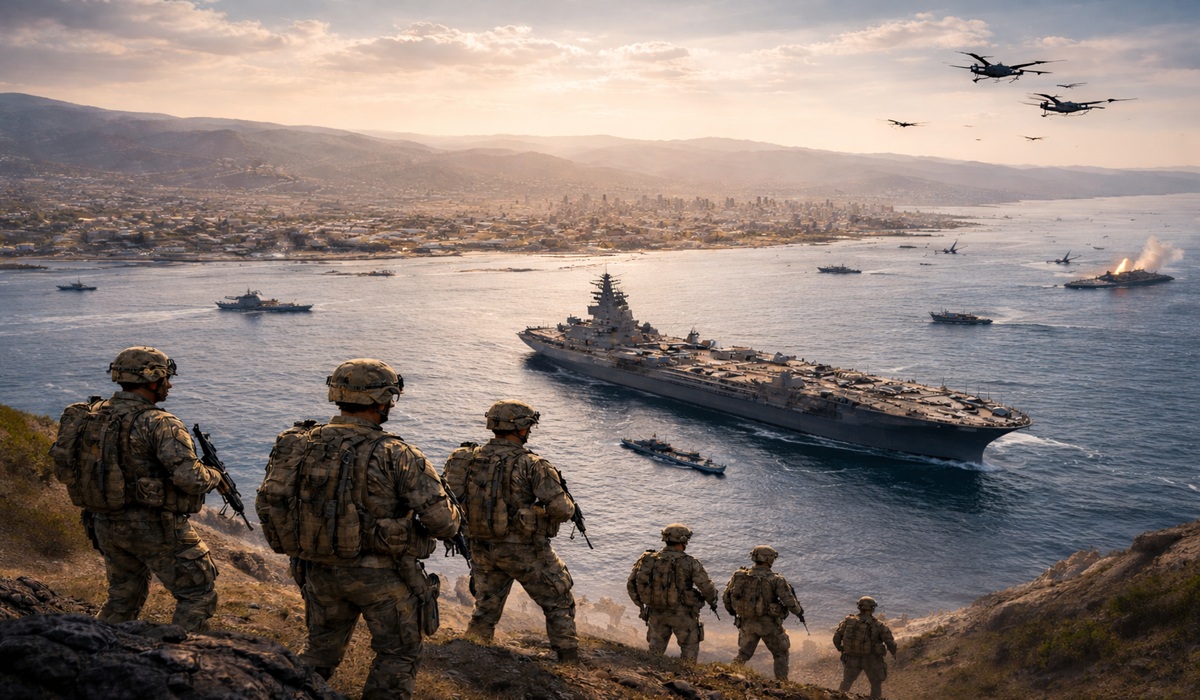
If the United States strikes Iran, the response will not be limited. Iran will retaliate. Israel would face severe attacks. American military bases across the Gulf, Saudi Arabia, Jordan, and surrounding regions would be targeted. U.S. naval forces would come under attack. There would be no gradual escalation. It would happen fast and at scale.
Iran could also shut down key maritime routes, including the Strait of Hormuz. That would disrupt a major portion of the world’s oil supply. Energy prices would surge. Shipping would be interrupted. Inflation would spike across Western economies. No seizure of tankers or emergency measures could offset that level of disruption.
The idea that the United States can fight or manage multiple large-scale wars at the same time is unrealistic. Resources are finite. Military equipment degrades. Personnel burn out. Economies weaken under sustained war spending. History shows that overextension leads to collapse, not victory.
Those pushing for confrontation are rarely the ones who face its consequences. War decisions are made by people far from the battlefield, while civilians and soldiers absorb the cost. Entire economies suffer. Living costs rise. Social stability erodes. Generations inherit the debt and damage.
War is not inevitable. It is a choice. Diplomacy is not weakness. Restraint is not surrender. The belief that war is necessary or profitable is false. It destroys lives, drains economies, and leaves long-term damage that cannot be reversed.
If this path continues, the issue will not be whether a world war has begun, but how many fronts it will spread across before the cost becomes impossible to ignore.
About The Author