Trump’s Iran Deadline Collapses Into Open Defiance and a Dangerous New Phase
- TDS News
- U.S.A
- April 7, 2026
By: Donovan Martin Sr, Editor in Chief
What was supposed to be a decisive moment has instead turned into something far more revealing. The deadline set by U.S. President Donald Trump for Iran to agree to terms has come and gone, been stretched, softened, and reshaped in public, and in the process it has lost the one thing deadlines are meant to carry, which is credibility. Instead of forcing a resolution, it has exposed just how far apart both sides are and how little appetite there is in Tehran to bend under pressure.
In the hours after the deadline passed, there was no breakthrough, no agreement, and no sign that Iran intended to move in the direction Washington demanded. What followed was not quiet diplomacy behind closed doors, but a very public shift in tone. Iranian officials and state-linked messaging began to lean into something closer to defiance than negotiation, even going so far as to mock the situation, pointing to what they described as silence and inconsistency from Washington and suggesting that continued rhetoric from Trump was doing more harm to the U.S. economy than to Iran’s position.
That shift matters because it signals a change in how Iran is choosing to engage. This is no longer about appearing measured or cautious. It is about projecting confidence and resilience, even under pressure, and showing both domestic and international audiences that Tehran is not backing down. The messaging coming out of Iran has made it clear that they do not see this as a moment to concede anything meaningful, and certainly not under a deadline imposed from outside.
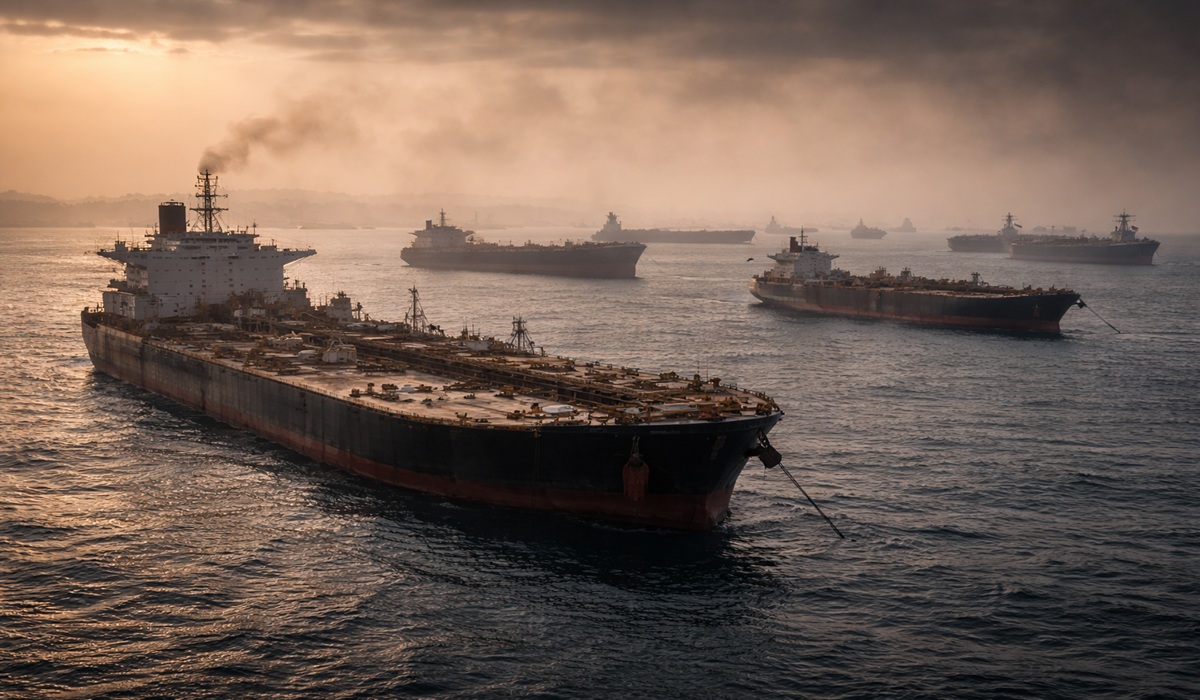
At the same time, the exchange of threats has intensified in a way that leaves little room for misinterpretation. Trump’s warnings around the Strait of Hormuz and broader infrastructure have been blunt, tying warm crimes military action directly to Iran’s willingness to comply. The implication has been clear, that failure to open shipping lanes or meet U.S. demands could lead to strikes on energy systems, bridges, and other critical infrastructure.
Iran’s response has been just as direct, but pointed in the opposite direction. Officials have indicated that there will be no ceasefire under current conditions and no pause in their posture unless there is a fundamental shift that aligns with their own terms. The language has moved beyond diplomatic phrasing into something far more confrontational, with warnings that any strike on life-saving facilities, such as more bridges and power facilities against Iran, would trigger retaliation not only against U.S. assets but against allied targets across the region.
That is where the situation becomes particularly dangerous. This is no longer just a bilateral standoff between Washington and Tehran. The rhetoric now explicitly includes the possibility of strikes extending into neighboring countries, particularly those seen as aligned with U.S. interests in the Middle East. For those governments, the message is deeply unsettling because it suggests they could become direct targets in a conflict that is not entirely of their making.
From Washington’s perspective, this is not the outcome that was likely expected when the deadline was first introduced. The strategy appeared to rely on pressure forcing a quick decision, creating a moment where Iran would either comply or face consequences. Instead, the pressure has been met with resistance, and the timeline has exposed the limits of that approach. Rather than collapsing under the weight of threats, Iran has leaned into them, using the situation to reinforce its own position both internally and externally.
There is also a growing sense that the economic dimension of this standoff is becoming harder to manage. Markets react quickly to uncertainty, and the back-and-forth around deadlines, extensions, and threats has created exactly that. Energy prices have shown volatility, shipping concerns remain unresolved, and broader investor confidence is being tested by the possibility that this situation could escalate further without a clear off-ramp.
What is unfolding now is less about a missed deadline and more about a shift into a new phase. The initial expectation that this could be resolved quickly has given way to a recognition that neither side is prepared to concede in the short term. The language has hardened, the stakes have expanded, and the involvement of regional allies has become more explicit.
For Trump, the challenge is no longer just about setting terms, but about responding to a situation where those terms have been rejected outright. For Iran, the challenge is sustaining its position under continued pressure while managing the risks that come with such an aggressive stance. For the region, the concern is that the conflict is no longer contained, either in rhetoric or in potential consequences.
The reality is that deadlines are only effective when both sides believe they matter. In this case, the passing and reshaping of the timeline has done the opposite. It has signaled that the situation is fluid, uncertain, and increasingly defined by reaction rather than control. That is not a stable place for a conflict to sit, especially one that now includes explicit threats to infrastructure, energy systems, and allied nations.
What comes next will not be determined by a clock, but by how both sides interpret the risks they are now openly taking. And at the moment, those risks are no longer theoretical. They are being stated plainly, on both sides, in language that suggests neither is prepared to step back first.
About The Author