Trump’s History Remix Erases Black Brilliance —But the Receipts Say Otherwise
- Emma Ansah
- U.S.A
- March 23, 2026
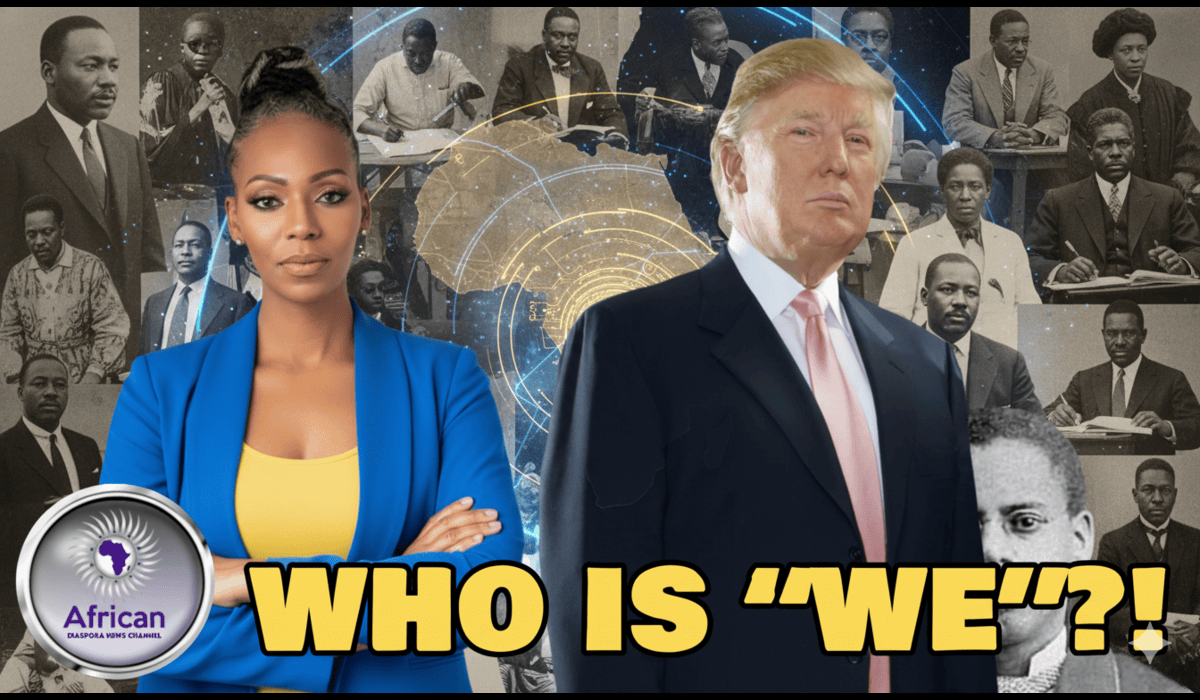
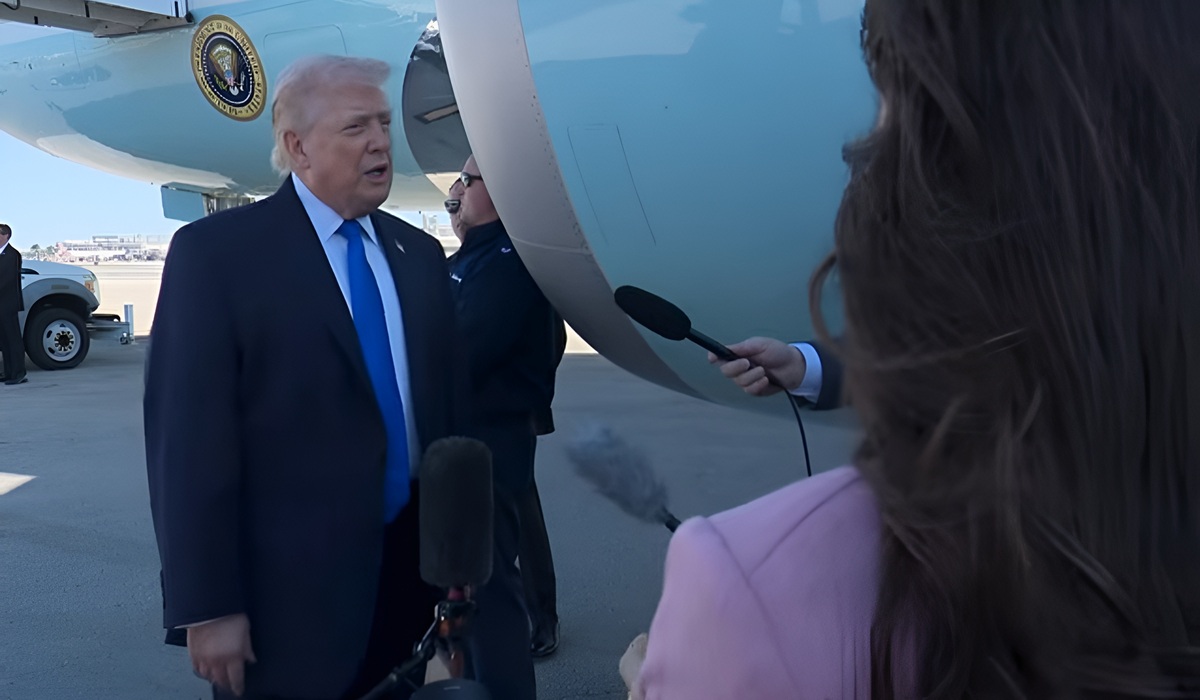
In a recent speech, Donald Trump launched into one of his trademark history remixes, declaring that “we invented” a long list of groundbreaking creations. It was a bold statement — and a wildly inaccurate one — erasing the Black innovators whose work has shaped daily life for generations.
So Emma Ansah is stepping in to set the record straight, bringing receipts, context, and the names that should’ve been credited in the first place.
Black Inventors Who Changed the World — Not That Trump Mentioned Them
Many of the inventions Trump referenced didn’t come from the people he claimed. They came from Black innovators whose brilliance pushed society forward, often in the face of barriers designed to hold them back.
Garrett Morgan gave the world the traffic light and the gas mask, transforming public safety.
Granville T. Woods, often called the “Black Edison,” revolutionized telegraphy and railroad communication with more than 50 patents.
Dr. Shirley Ann Jackson, a physicist, developed caller ID and call waiting, shaping the modern telecom experience.
Lonnie Johnson, a NASA engineer, created the Super Soaker, a cultural and commercial phenomenon.
Marie Van Brittan Brown invented the first home security system, the blueprint for every doorbell camera in use today.
These are not footnotes. These are foundational contributions.
The Black Canadian Innovators Who Rarely Get Their Flowers
While the U.S. often dominates the conversation around Black innovation, Canada has its own legacy of brilliance — a legacy Trump’s remarks also conveniently overlook.
Elijah McCoy, born in Canada to formerly enslaved parents, developed the automatic lubrication system that transformed rail and industrial machinery. His designs were so superior that companies demanded “the real McCoy.”
Anderson Ruffin Abbott, the first Black Canadian doctor, helped shape early public health standards and medical practice in Ontario.
William Peyton Hubbard, Toronto’s first Black inventor-politician, was instrumental in advancing the city’s hydroelectric infrastructure, securing clean and reliable energy for generations.
These contributions are not just Canadian milestones — they are part of the global story of Black excellence.
The Part Trump Never Mentions: Black People Built the Country — Including the White House
Before discussing who invented what, it’s impossible to ignore the fundamental truth Trump avoided entirely: Black people built the United States, both literally and economically.
The White House — the very building Trump once occupied — was constructed by enslaved Africans. They quarried the stone, forged the nails, raised the walls, and completed the intricate carpentry. The U.S. Capitol was built by enslaved labor as well. Plantation economies fueled the nation’s early wealth. Roads, canals, railroads, shipyards — Black hands shaped the country’s foundation.
To claim “we built” or “we invented” without acknowledging the enslaved and free Black labor that made the nation possible is not just inaccurate — it’s historical erasure.
Why This Matters
Trump’s comments aren’t just sloppy history. They reinforce a pattern: dismissing or minimizing Black innovation, Black labor, and Black intellectual legacy. Erasure is a tool — one that shapes how future generations understand who contributed, who created, and who matters.
Correcting the record isn’t about scoring points; it’s about restoring narratives that have been intentionally buried.
Setting the Record Straight
Emma Ansah is bringing these names back into the spotlight because the truth is non-negotiable. Black inventors and Black labor built systems, technologies, cities, and institutions that underpin modern life. Their impact is undeniable, even when political rhetoric tries to pretend otherwise.
History stands on the side of the receipts — and the receipts say Black brilliance has always led the way.
Watch the livestream:
About The Author