By: Donovan Martin Sr, Editor in Chief
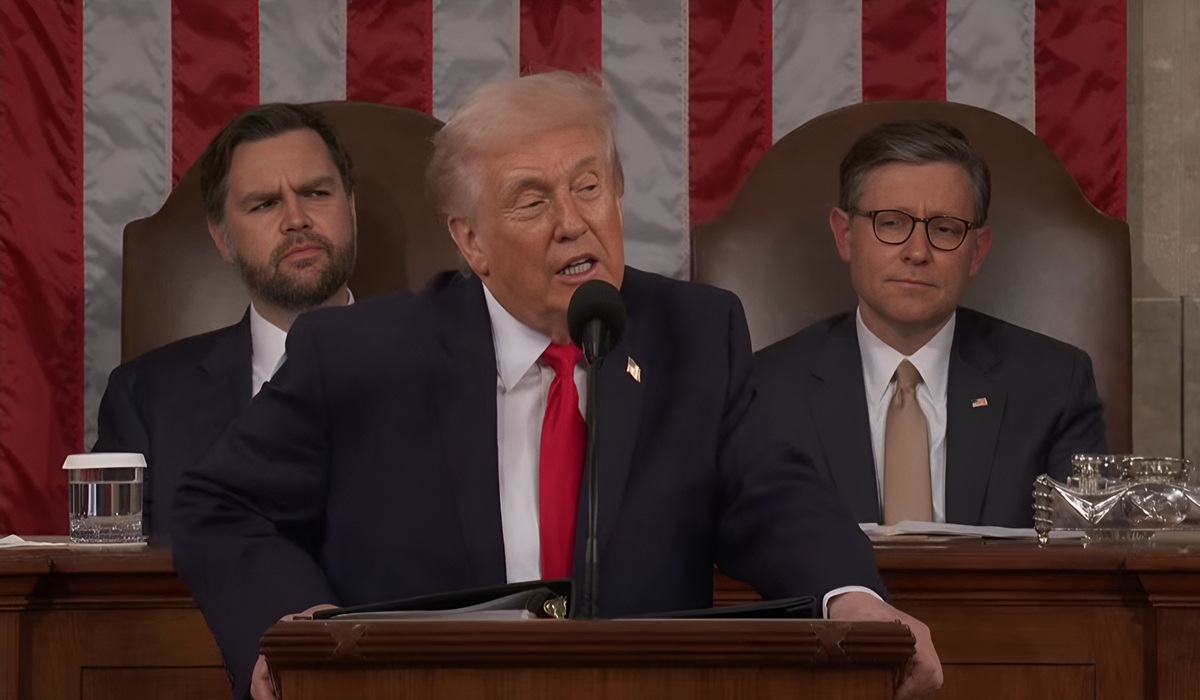
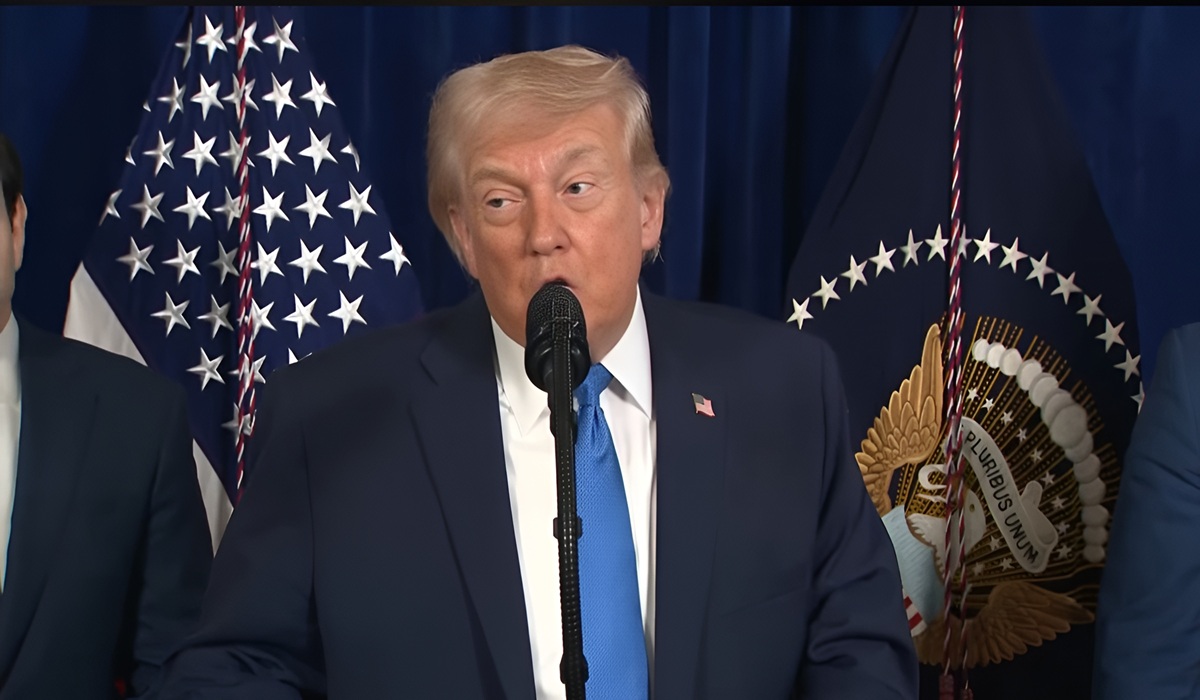
Washington — A growing chorus of diplomats, analysts, and political observers is warning that the United States under President Donald Trump is pursuing one of the most aggressive global military postures seen in decades. What administration officials frame as a strategy to protect American interests has increasingly been described by critics as an attempt to impose a new geopolitical order, sometimes referred to in speeches and policy discussions as a “Greater America” doctrine.
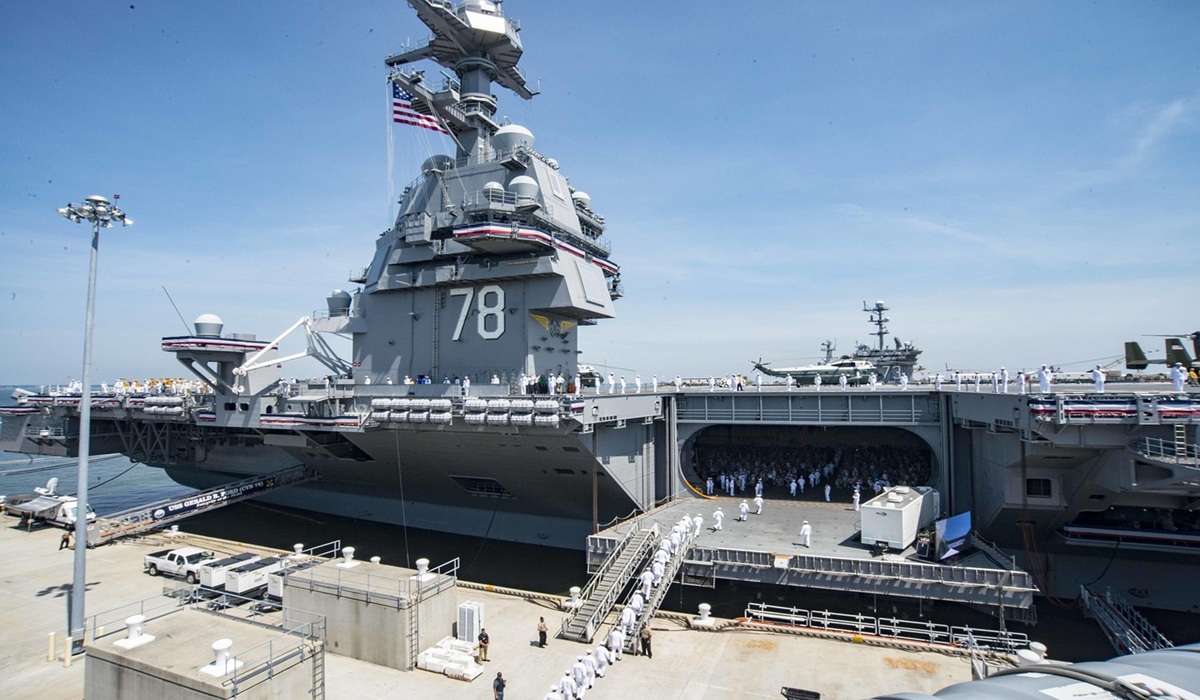
The rhetoric behind this vision has been amplified by senior officials including U.S. Secretary of War Pete Hegseth and Secretary of State Marco Rubio. In recent remarks outlining Washington’s hemispheric strategy, officials have spoken about the Western Hemisphere as a unified security zone where the United States must maintain overwhelming military dominance. The geographic scope of that vision stretches from Greenland in the Arctic through Canada and the United States, down across Mexico and Central America, throughout the Caribbean, and into northern South America.
Countries frequently cited in administration rhetoric include Venezuela, Ecuador, Nicaragua, Cuba, and other governments Washington accuses of destabilizing the region. Caribbean nations have also found themselves under increasing diplomatic pressure. Regional officials say Washington has pushed governments such as Jamaica to reconsider diplomatic and economic relationships with Cuba and other countries that fall outside the American strategic orbit. While no military action has been launched against Cuba, the rhetoric surrounding the island nation has included warnings and threats that have unsettled governments throughout the Caribbean.
Secretary of War Pete Hegseth has framed the approach as a necessary step to confront organized crime networks, rival geopolitical influence, and governments Washington considers hostile. Secretary of State Marco Rubio has taken an equally confrontational tone, frequently speaking about confronting regimes in Latin America that he believes challenge American interests. Critics say Rubio’s rhetoric often sounds less like diplomacy and more like an ideological campaign to settle long-standing political scores with certain governments in the region.
The strategy unfolding across the Americas is only one piece of a much larger geopolitical picture. The United States remains deeply engaged militarily across the Middle East, where American forces continue to conduct operations and air strikes in multiple countries. Military involvement across parts of Africa has expanded under counter-terrorism missions that critics argue have created new flashpoints across the continent.
At the same time, tensions are rising in Asia as Washington strengthens military alliances and deployments in the South China Sea while repeatedly warning about the possibility of conflict over Taiwan. The United States has pushed allies such as the Philippines to expand defense cooperation and increase arms purchases, a move some analysts say could further escalate regional rivalries between major powers.
Even long-standing allies have found themselves caught in the administration’s confrontational rhetoric. President Trump has floated controversial ideas involving Greenland and made remarks suggesting that Canada’s relationship with the United States could evolve into something far more integrated. European leaders have also expressed concern about the tone of Washington’s foreign policy as tensions grow between the United States and several European governments over security and economic disputes.
To critics, the pattern is unmistakable. The United States appears to be confronting multiple regions simultaneously while assuming its military power is strong enough to manage the consequences. The risk, analysts warn, is that such a strategy spreads American forces across too many geopolitical fault lines at once while encouraging rival powers to coordinate their own responses.
History offers a sobering context for these concerns. Empires rarely collapse because they lack weapons or military technology. More often they decline when their commitments become too vast, their alliances begin to fracture, and the cost of maintaining dominance begins to outweigh the benefits. Strategic overreach has undone many powerful nations throughout history, particularly when leaders assume that past strength guarantees future control.
That historical lesson is why the current moment is drawing such intense scrutiny. Critics argue that the Trump administration is attempting to confront an emerging multipolar world with strategies rooted in a previous era when American dominance faced fewer challenges. As rival powers grow stronger and global alliances shift, the assumption that military strength alone can maintain geopolitical control becomes increasingly uncertain.
For many observers, the stakes go beyond any single conflict or region. The United States still commands the most powerful military on Earth and holds a nuclear arsenal capable of reshaping global security overnight. When leaders operating at that level of power begin speaking openly about asserting control across an entire hemisphere while confronting rivals around the globe, the consequences extend far beyond Washington.
The question now being asked in foreign ministries and policy circles across the world is not simply whether the United States can maintain this strategy, but how history will ultimately judge the choices being made today. The record of history is filled with powerful leaders who believed their nations could dominate the world indefinitely, only to discover that geopolitical power has limits.
Whether the current approach represents a temporary surge in confrontational rhetoric or the beginning of a far more dangerous chapter in global politics remains uncertain. What is clear is that the world is watching closely, aware that decisions made in Washington today may shape the balance of power for generations.
For critics of the administration, the warning is stark. When a superpower begins confronting multiple regions simultaneously while assuming its military strength will carry the day, history suggests the greatest danger may not come from its rivals, but from the moment when the cost of empire finally catches up with its ambitions.
About The Author