Trump Escalates Maritime Confrontation With Seizure of Russian-Flagged Tanker
- Ingrid Jones
- Breaking News
- January 7, 2026
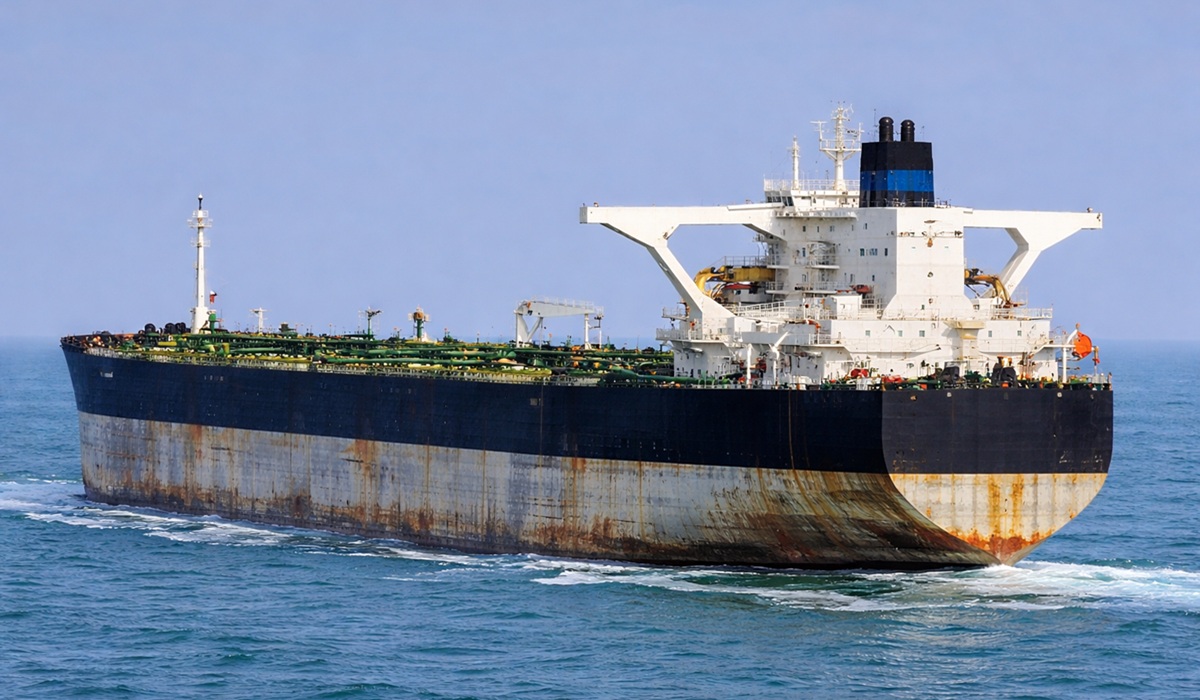
The United States has seized a Russian-flagged oil tanker linked to Venezuela after a weeks-long pursuit across international waters, a move that is now being widely viewed as another escalation in an increasingly volatile global standoff driven by Washington’s unilateral enforcement strategy.
U.S. European Command confirmed the seizure of the vessel, which had changed its name from Bella 1 to Marinera during the pursuit. American officials say the tanker violated U.S. sanctions and was taken under the authority of a federal court warrant. The operation followed earlier attempts to intercept the ship near Venezuelan waters before it crossed the Atlantic under continuous surveillance.
While U.S. officials are framing the action as routine sanctions enforcement, the broader implications are far from routine. Seizing a foreign-flagged vessel in international waters — particularly one flying the flag of a major nuclear power — pushes the boundaries of accepted maritime norms and raises serious questions about where enforcement ends and provocation begins.
Russia’s response, while restrained, was unmistakably critical. The Russian Foreign Ministry said it is monitoring the situation closely and described the pursuit as disproportionate. Moscow raised concerns about freedom of navigation and the precedent being established when one country asserts the authority to police global shipping lanes according to its own domestic laws.
This is not an isolated incident. It follows another recent seizure of a tanker alleged to have links to China, reinforcing the perception that the United States is increasingly willing to act as the sole enforcer of a self-defined global order. The cumulative effect of these actions is not deterrence — it is normalization of escalation.
At the center of this shift is U.S. President Donald Trump, whose administration has repeatedly demonstrated a willingness to act first and deal with consequences later. Supporters frame this as strength. Critics see something else entirely: a dangerous willingness to blur the line between law enforcement and coercive power on the world stage.
The risk is not abstract. If the United States asserts the right to seize foreign vessels in international waters based on its own sanctions regime, other countries can and will do the same. Once that line is crossed, there is no clear rulebook left — only competing interpretations enforced by force. That is how global systems fracture.
International maritime law has long been built on shared rules, restraint, and predictability. When those principles are replaced by unilateral action, shipping routes become pressure points, not trade corridors. The tanker seized this week was reportedly not carrying cargo at the time, unable to load oil due to the blockade on Venezuelan exports. Yet even an empty ship became a symbol — not of enforcement, but of confrontation.
U.S. officials argue that vessels like the Marinera are part of a shadow network designed to evade sanctions through renaming, flag changes, and complex ownership structures. That may be true. But the method of response matters. When enforcement is carried out with military backing, across oceans, against vessels tied to rival powers, it ceases to be a technical issue and becomes a strategic one.
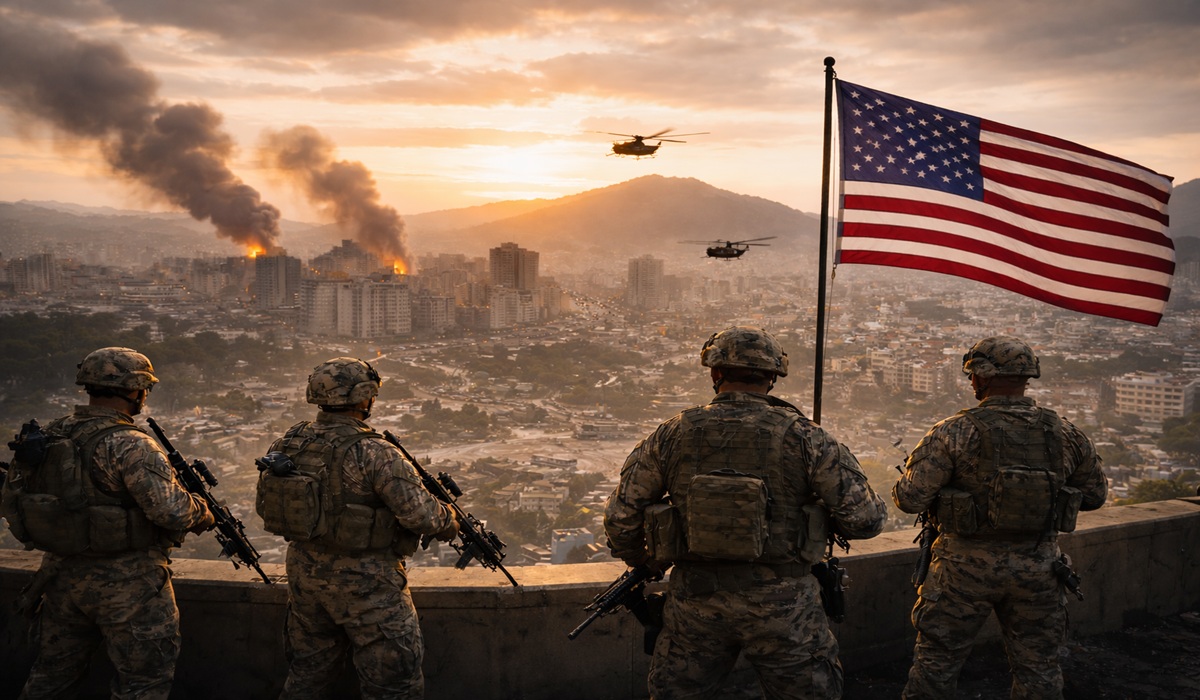
What is especially alarming is the cumulative trajectory. In recent months, Washington has intensified pressure on Venezuela, taken unprecedented actions against its leadership, expanded maritime interdictions, and now directly challenged Russia’s flagged shipping. Each step raises the stakes. Each step narrows diplomatic off-ramps.
Acting like a global sheriff may play well domestically, but internationally it sends a far more destabilizing message: that rules apply only when enforced by power, not consensus. That message does not strengthen global order — it weakens it.
For Americans, the concern is not sympathy for sanctioned regimes. It is the realization that these actions place the United States on a collision course with the rest of the world. When one country decides it can set, interpret, and enforce rules everywhere, resistance is inevitable. History shows that such resistance rarely remains economic or symbolic for long.
So far, Russia’s response has been diplomatic. But diplomacy has limits, especially when repeated actions are perceived as deliberate tests. Miscalculation, not intent, is often what sparks larger conflicts — and maritime confrontations are among the most dangerous arenas for that to occur.
The seizure of the Marinera did not result in violence. That fact should not be mistaken for stability. It should be seen as a warning. The global system is being stretched, norms are being tested, and each unilateral move brings the world closer to a point where restraint gives way to retaliation.
This is not about one tanker. It is about whether the United States is setting a precedent that it would never accept if applied to itself. If any nation can seize vessels, detain assets, or enforce domestic laws globally, the result is not order — it is chaos.
As this situation develops, the central question remains unanswered: how many times can the rules be bent before they break? At some point, there is always a final straw.
More to follow.
About The Author