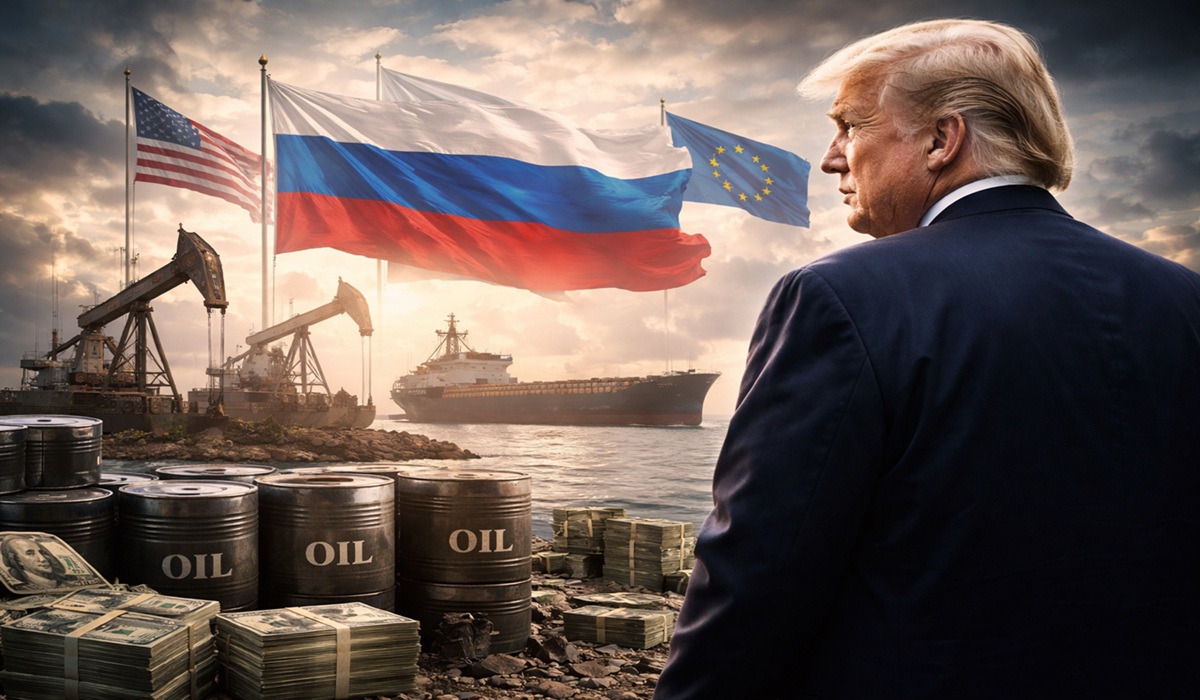
Trump Blinked: The Iran Energy “Obliteration” Threat That Backfired
- TDS News
- Breaking News
- March 23, 2026
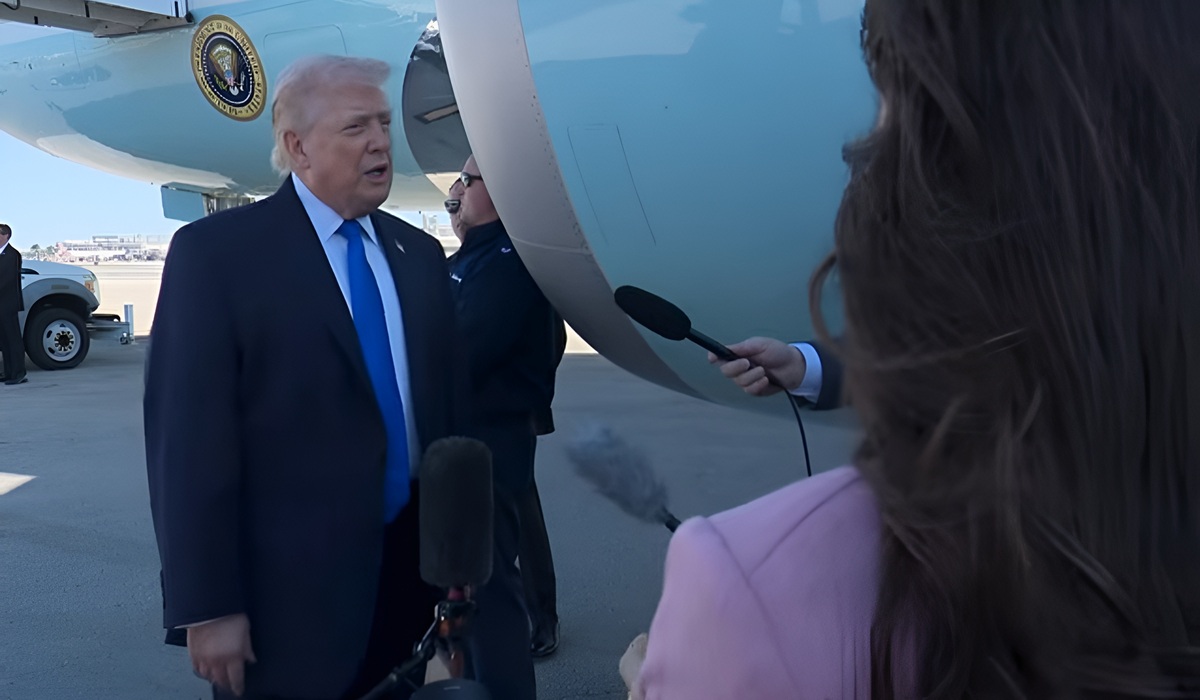
By: Donovan Martin Sr, Editor in Chief
The 48-hour ultimatum came and went, and the world did not witness the “obliteration” of Iran’s energy infrastructure that U.S. President Donald Trump had so aggressively threatened. For all the bluster and brinkmanship, the strikes never materialized. What followed instead was a sudden pivot—claims of “strong negotiations,” a new five-day window, and the suggestion that progress was being made behind the scenes. That explanation has landed with a thud in diplomatic and strategic circles, where the consensus is far less charitable.
The reality is far more sobering. Targeting an entire nation’s energy infrastructure is not just escalation; it is the kind of action that risks crossing into outright violations of international humanitarian law and the very definition of collective punishment. Energy systems are not isolated military assets. They are the backbone of civilian survival. Destroy them, and hospitals go dark, water systems fail, food supply chains collapse, and millions of civilians are placed in immediate danger. That is not collateral damage. That is predictable, systemic human suffering.
And behind closed doors, that reality appears to have forced a pause. Cooler heads within the administration, alongside senior military leadership, pushed back hard. Not out of restraint for restraint’s sake, but because they understood exactly what would come next. Iran has been explicit: attacks on its core infrastructure would trigger a response that extends far beyond its borders. Not symbolic retaliation, but widespread disruption targeting energy systems, shipping lanes, and strategic assets across the region.
The Gulf states—supposed allies—have made their position equally clear. They are already under pressure, bleeding billions as instability chokes production and drives up operational risk. The idea of a full-scale escalation that wipes out oil infrastructure and cripples desalination systems is not just unacceptable, it is existential. These are nations where water security depends heavily on desalination. Take that away, and you are not talking about inconvenience. You are talking about survival. Governments in the region understand that if Iran follows through on its threats, it would not just be an economic collapse. It could trigger internal unrest, even the collapse of ruling systems.
This is why the “negotiation” narrative feels more like a political cover than a diplomatic breakthrough. Iran has publicly rejected the premise of negotiating under threat, laying out demands that fundamentally reshape the balance of power in the region—demands Washington is in no position to accept. There is no indication that Tehran has shifted. What has shifted is the recognition in Washington that following through would have consequences that spiral far beyond control.
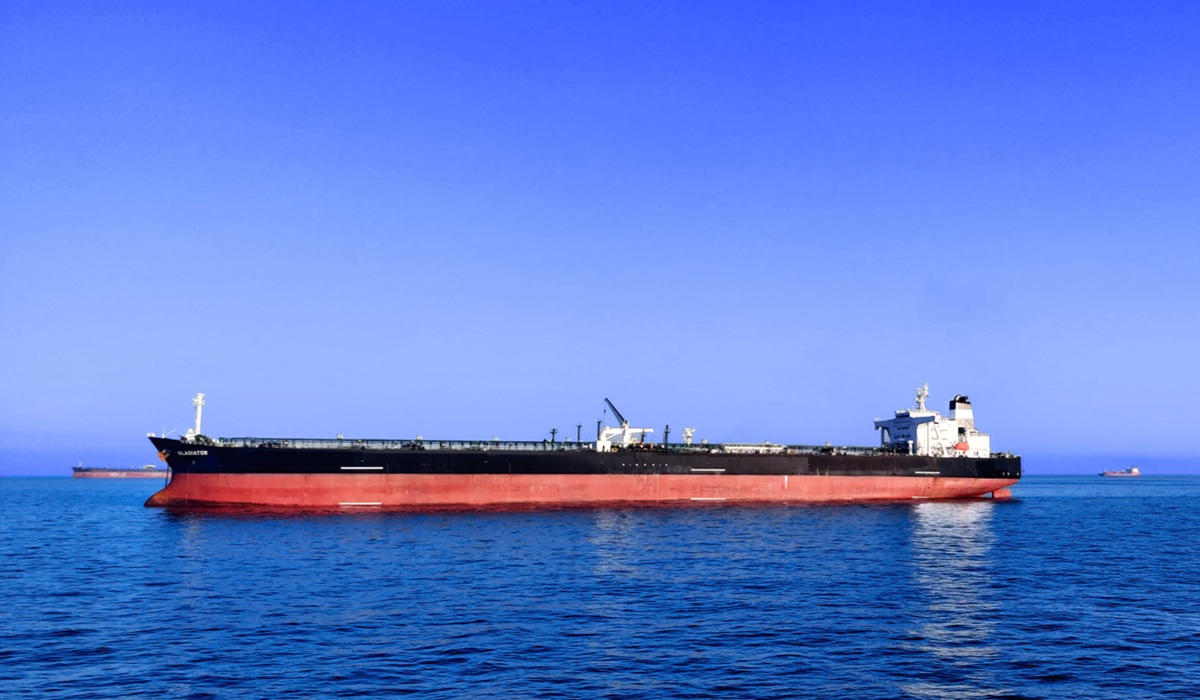
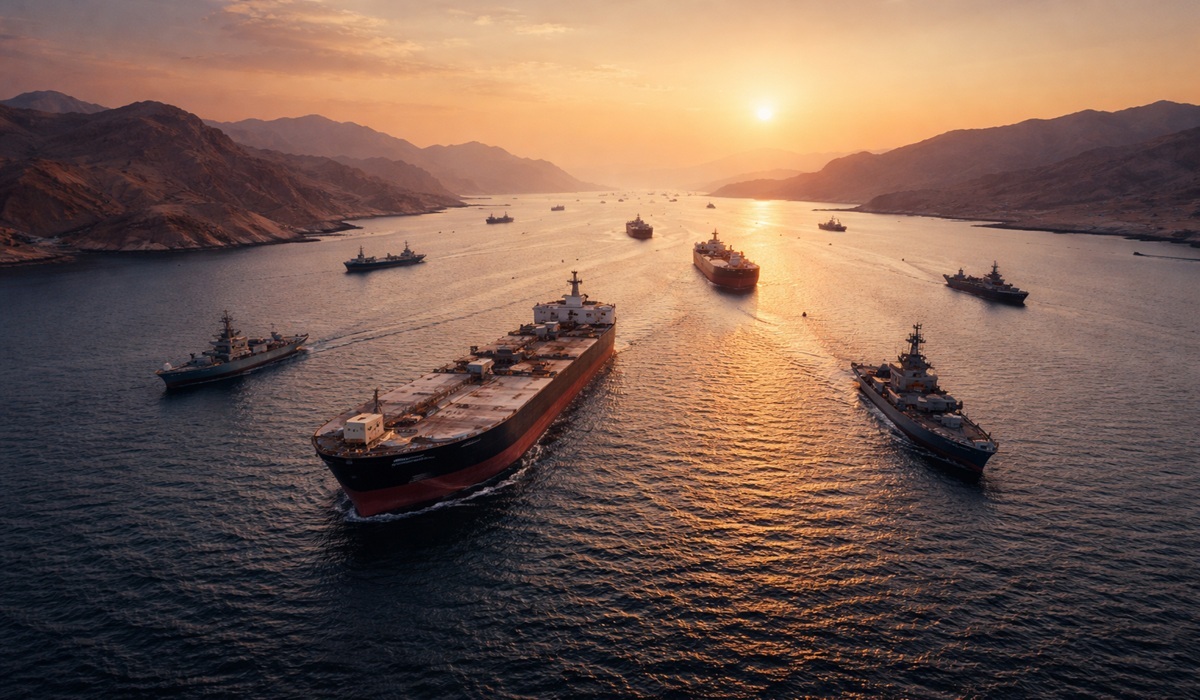
At the center of all of this sits the Strait of Hormuz, the single most critical chokepoint in the global energy system. This is not a secondary factor. It is the pressure valve of the world economy. Even now, without a full shutdown, the Strait is effectively tightening its grip. Insurance costs are surging. Shipping routes are under threat. Markets are reacting to risk, not reality, and that alone is enough to push prices upward.
A full-scale disruption would be catastrophic. Oil would not just rise, it would spike unpredictably. Supply chains would seize. Transportation costs would surge. Food prices would climb. Inflation would return with force. This is not a regional problem. It is a global economic shock waiting to happen.
And the United States would feel it immediately. Gas prices would surge even higher than the projected two dollars per barrel. Household costs would climb. Markets would react. Consumer confidence would erode. All of it unfolding in real time, with no buffer, no delay, and no easy explanation that resonates with voters who are simply trying to afford their daily lives.
That is where the political consequences become unavoidable. If this escalates into a broader Gulf collapse, the economic fallout would almost certainly translate into electoral fallout. Midterm elections are not decided on foreign policy theory. They are decided on lived experience. Rising costs, economic instability, and a perception of reckless leadership would become defining issues overnight.
For Republicans, particularly those aligned with this foreign policy direction, the risk is profound. A crisis tied to energy, inflation, and global instability heading into the fall would create conditions that historically punish the party in power or associated with the policy decisions driving the crisis. Seats that were once considered safe could become competitive. The narrative would write itself—not through political messaging, but through the economic reality voters face every single day.
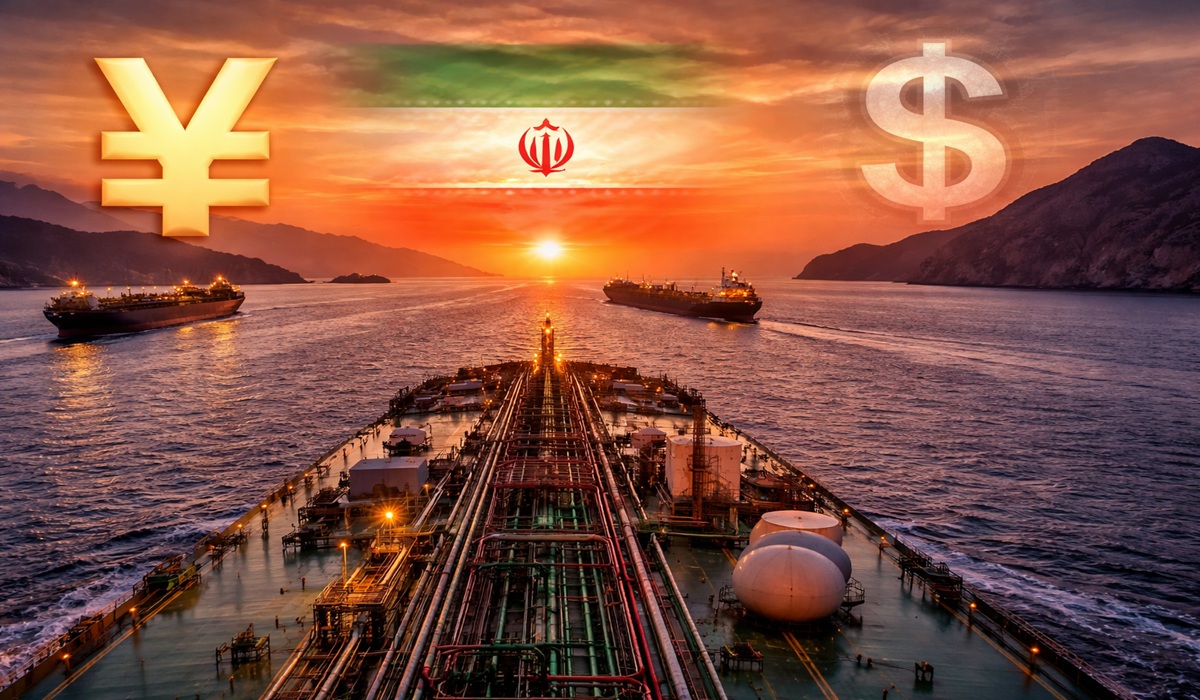
Layered on top of this is a striking and deeply consequential contradiction. By lifting or easing sanctions on Iranian and Russian oil, the United States has effectively allowed revenue to flow back into the very nations it positions as adversaries. In practical terms, global purchases of that oil translate into financial capacity—capacity that can be used to sustain military operations. In the Middle East, that strengthens Iran amid rising tensions with the U.S. and Israel. In Europe, it enables Russia to continue its war effort in Ukraine.
At the same time, this reversal undermines allies. European and NATO partners who aligned with Washington on sanctions now find themselves navigating a policy shift that cuts against the very framework they were asked to support. Trust erodes. Strategy fragments. And the broader rules-based order that the U.S. has long claimed to uphold begins to look increasingly selective.
All of this feeds into a growing credibility gap. The rhetoric is absolute—threats of total destruction, shifting deadlines, declarations of strength—yet the actions tell a different story. Red lines are drawn, then redrawn. Deadlines come and go. Explanations shift. That inconsistency does not project strength. It projects instability.
There are also growing whispers, both political and institutional, about leadership stability at the highest level. Whether those discussions gain traction or not, their presence alone signals a deeper concern: that decision-making in a moment of extreme consequence may not be anchored in consistency or strategy.
What we are witnessing is not just a foreign policy crisis. It is a convergence of military risk, economic vulnerability, and political consequence. The world came within reach of a decision that could have triggered regional collapse, global economic shock, and domestic political upheaval—and stepped back at the last moment, not out of strategy, but out of necessity.
And that is the defining takeaway. A strategy that threatens destruction while simultaneously empowering adversaries, alienating allies, and risking economic collapse is not just contradictory. It is dangerous.
For now, the missiles have not flown. But the instability remains. And the margin for error is getting smaller by the day.
About The Author