The war involving Iran, the United States and Israel entered another week with no ceasefire in place, while Iran continues to control access through the Strait of Hormuz, placing one of the world’s most critical energy routes under direct authority from Tehran.
Iran has asserted control over the strait and is determining which vessels are allowed to pass. Only ships considered non-hostile are being permitted transit, and only under conditions set by Iranian authorities. The move has disrupted normal shipping operations and significantly reduced traffic through the waterway, which is a key passage for global oil and liquefied natural gas exports.
The restriction has already had visible effects on global energy markets, with increased volatility and uncertainty surrounding supply. Governments and energy companies have begun adjusting shipping routes and reviewing contingency plans as the situation develops.
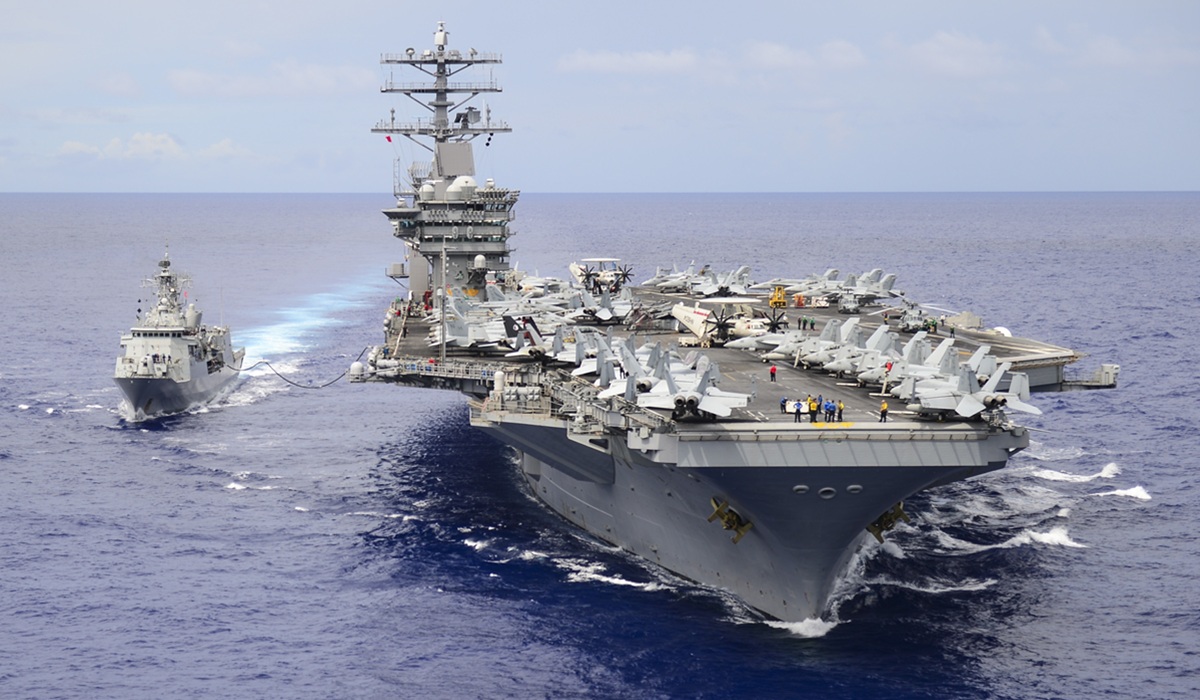
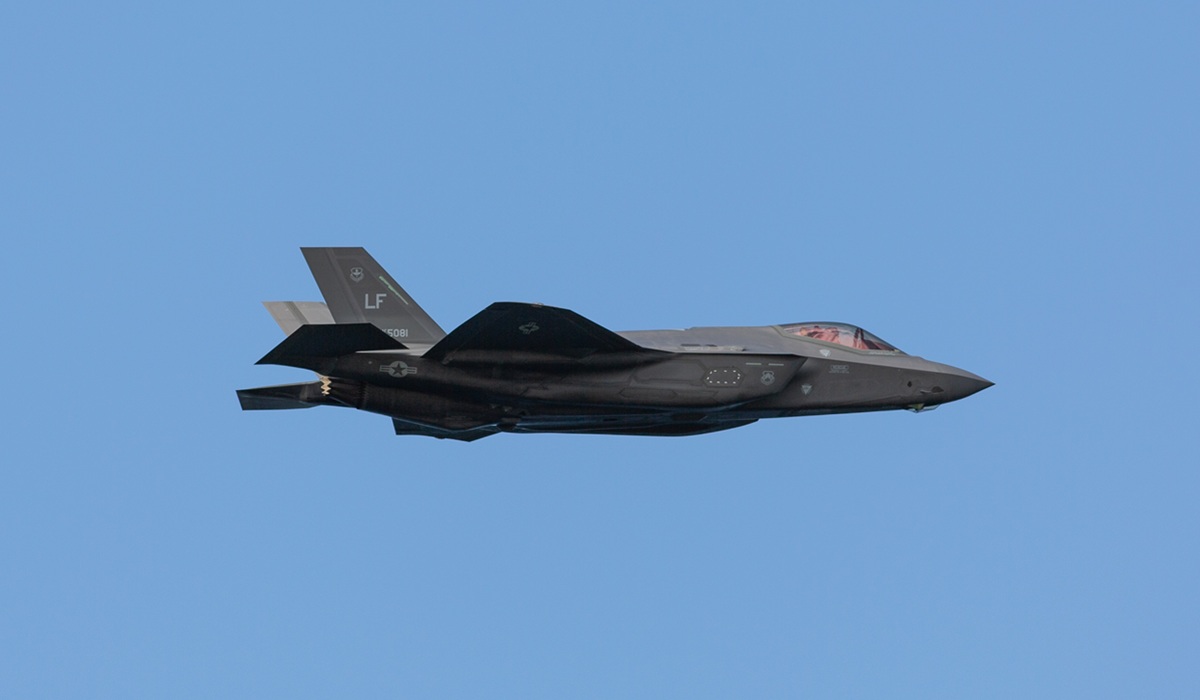
Military activity across the region remains ongoing. U.S. naval and air forces continue operating in and around the Persian Gulf, while additional movements of military assets have been reported as part of ongoing operational planning. Maritime security, surveillance and force positioning remain active as the conflict continues without a defined resolution.
The Daily Scrum News has learned from multiple sources and eyewitness accounts from sailors that morale within parts of the U.S. military, particularly among Navy personnel, has sharply declined as the risk of a wider war increases. According to those accounts, some sailors have expressed unwillingness to support military action against Iran, citing concerns over both safety and the purpose of the mission.
Sources also described reported damage to equipment and disruptions tied to deployment readiness. These accounts include concerns involving vessels expected to be part of any expanded response in the region, with sailors describing internal strain as tensions escalate and uncertainty continues.
At the same time, the broader military posture remains active. U.S. forces continue maintaining a presence designed to respond to threats against shipping routes and regional infrastructure. The focus on maritime operations has increased as control of the Strait of Hormuz remains a central factor in the conflict.
Iranian forces and allied groups have continued operating across multiple areas, including positions near strategic waterways and infrastructure sites. Regional governments have remained on alert due to the risk of further escalation, particularly involving ports, shipping lanes and energy facilities.
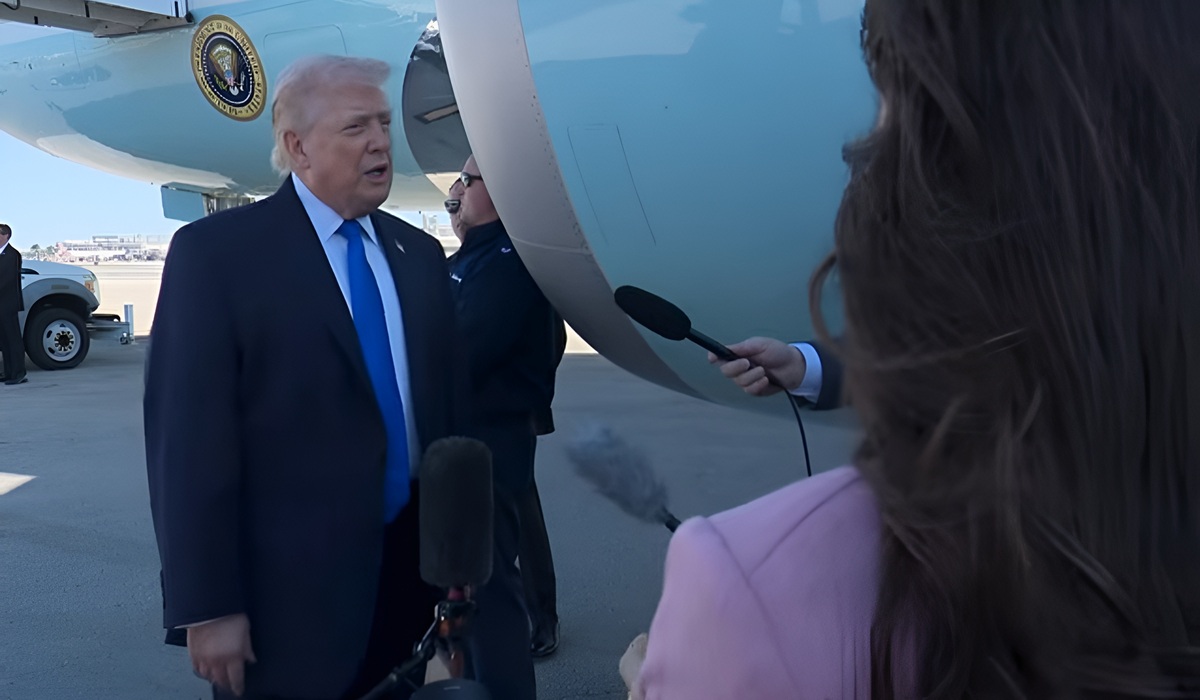
Public statements from Washington and Tehran continue to differ. President Donald Trump has said the United States is engaged in discussions through intermediaries and has suggested progress is being made toward a resolution. Iranian officials have rejected those claims and stated that no agreement has been reached.
No joint announcement has been issued confirming a ceasefire. No formal settlement framework accepted by both sides has been made public. Diplomatic efforts continue, but military activity has not paused, and no timeline for resolution has been established.
In addition to the ongoing conflict, multiple claims related to incidents in the region continue to circulate. Reports of strikes, attacks and internal developments within military operations remain part of the broader information environment surrounding the war.
The situation in the Strait of Hormuz remains a central point of concern. The waterway’s importance to global energy supply has made its restriction a key development in the conflict. Control of the strait has shifted the balance of influence over maritime movement, with direct consequences for international trade and fuel distribution.
The current situation reflects an ongoing conflict with active military operations, restricted global shipping through a critical energy corridor, and continued disagreement between major parties over diplomatic progress. With no confirmed ceasefire and no publicly accepted agreement in place, the conflict remains unresolved as both military activity and reported internal strain within forces continue to develop.
About The Author