Trapped in Silence: Colombia’s Hidden Crisis of Confinement
- Xuemei Pal
- Latin
- Trending News
- March 24, 2026
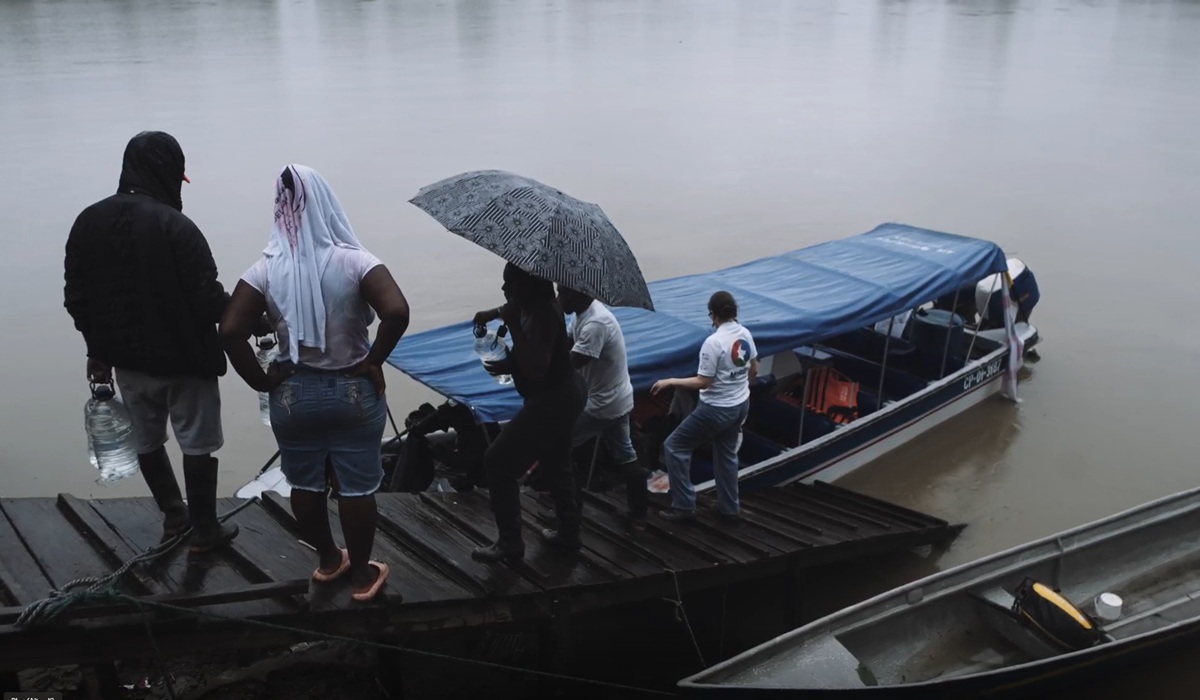
Colombia is quietly enduring one of the most alarming humanitarian crises in the world, and for millions of people trapped in its rural regions, daily life has become a fight for survival under conditions that resemble siege rather than peace. Since January 2025, more than 170,000 civilians have been forced into confinement by non-state armed groups, a deliberate tactic designed to control territory by controlling the population. What is unfolding is not just displacement in the traditional sense, but something more insidious: entire communities effectively imprisoned within their own homes, cut off from movement, resources, and basic human dignity.
Across vast swaths of the country, particularly in western regions, the simple act of stepping outside has become a life-threatening decision. Rural Colombia, home to millions, is increasingly becoming inaccessible even to fellow citizens. Armed groups dictate who can move, when, and where, turning freedom of movement into a privilege rather than a right. For those living under these conditions, the reality is stark. Weeks can pass without the ability to leave one’s home, farm, or village. Rivers, often the only transportation routes in remote areas, are off-limits. Anyone who dares to defy these invisible borders risks violent retaliation.
The burden of this crisis falls disproportionately on Indigenous and Afro-Colombian communities, who are already among the most vulnerable populations in the country. Within these confined environments, women and children face heightened risks of gender-based violence and forced recruitment by armed actors. Childhood, in these regions, is no longer defined by schoolyards and play, but by fear and uncertainty. Education becomes sporadic or nonexistent, and the threat of being pulled into armed conflict looms constantly over young lives.
Living conditions inside these confined zones are harsh and deteriorating rapidly. Many communities lack access to clean water, reliable electricity, and healthcare. Illness is endured rather than treated. Injuries go unattended. The absence of medical care means that conditions which would be manageable elsewhere can become fatal. Farming, the backbone of rural livelihoods, is often impossible because people cannot safely access their land. Hunger, therefore, becomes another weapon in this slow-burning crisis.
What makes this situation even more troubling is how little of it reaches global attention. Colombia already has one of the largest populations of internally displaced people in the world, with 7.3 million individuals living in displacement due to conflict and violence, second only to countries like Syria and Sudan. Yet the phenomenon of confinement, where people are not displaced but instead immobilized, adds another layer of complexity that is often overlooked. It is a crisis hidden in plain sight, affecting communities that many Colombians themselves cannot access or even fully understand.
Humanitarian organizations working on the ground warn that the situation is reaching a critical point. Nearly 9.9 million Colombians live in areas where non-state armed groups operate, and the ability of aid agencies to respond is increasingly strained. While emergency response efforts have managed to assist tens of thousands, this represents only a fraction of those in need. The scale of the crisis far exceeds the available resources.
Compounding the problem is a sharp decline in humanitarian funding. Financial support for Colombia was cut nearly in half between 2024 and 2025, dropping from over 200 million dollars to just over 95 million. This reduction comes at a time when needs are escalating, not diminishing. Without sustained international support, the fragile lifeline that humanitarian groups provide could collapse, leaving already isolated communities entirely abandoned.
The consequences of inaction are not abstract. They are immediate and measurable in human lives. As fear continues to carve the country into isolated pockets, entire regions are slipping further from the reach of state authority and global awareness. In these areas, silence is not a sign of peace, but of people suffering without a voice. The longer this crisis remains underfunded and underreported, the greater the risk that it will deepen into a humanitarian catastrophe that is far more difficult to reverse.
Colombia’s confinement crisis is a stark reminder that control over territory is no longer just about land, but about people. When movement is stripped away, so too are opportunity, safety, and hope. What remains is a population trapped not only by armed groups, but by the world’s failure to fully see, understand, and respond to their reality.
About The Author