Tips for a Modern, Cozy Kitchen That Supports Slow Living
- Casey Cartwright
- Home Improvement
- March 23, 2026
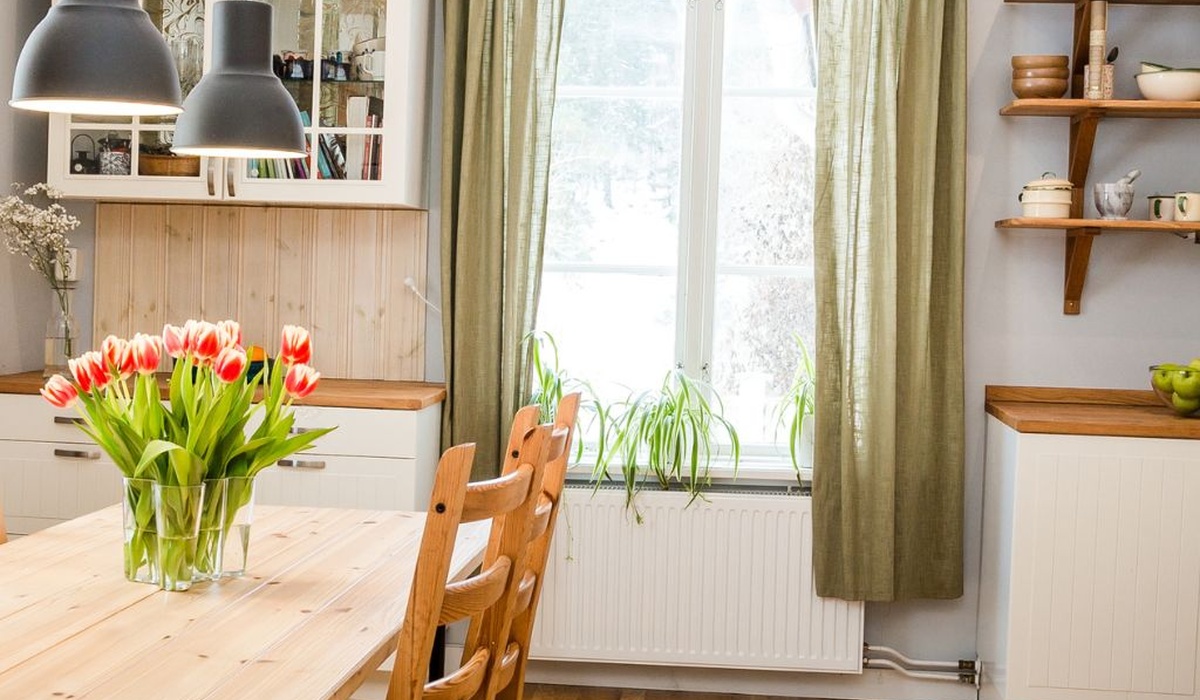
There’s always something happening at home. And for many families, the kitchen is one of the busiest spaces. When that space is designed with care, it can support calmer mornings, slower evenings, and give back a little more time for meaningful moments. Use these tips to create a modern, cozy kitchen that supports slow, intentional living.
Choose Natural Materials
Modern kitchens feel more welcoming when hard finishes are balanced with natural texture. Wood cabinetry, stone accents, woven baskets, and linen towels add depth without making the room feel cluttered. These materials age gracefully, which fits the gentle pace of a home built around use rather than perfection.
Natural finishes also create a sense of warmth that helps a kitchen feel settled and restful. Instead of chasing fast-changing trends, choose surfaces that feel timeless and grounded.
Manage Countertop Clutter
A crowded counter can make even a lovely kitchen feel hectic. Leaving open space near the stove, sink, or island creates room for meal prep, baking with children, or a quiet cup of tea before the day begins. Making your space visually calm supports mental serenity, which matters in a home centered on intentional living.
This does not mean every surface should be empty or impersonal. The goal is to make space for the tasks and rituals that matter most to you and your family.
A few small habits make it easier to minimize the clutter on countertop clutter:
- Keep only everyday essentials within reach.
- Store duplicate tools somewhere less visible.
- Use one decorative item per zone instead of several.
- When you can, take five to ten minutes to reset counters at the end of each day.
Tips for Decluttering and Organizing
Begin by removing everything from one section of your countertop so you can see the space clearly. As you sort through each item, set aside only the things you use every day and move anything rarely used to a cabinet or pantry.
Next, group the remaining items by purpose, such as coffee supplies, cooking tools, or baking essentials, so each area feels intentional and easy to use. Use trays, crocks, or small containers to keep those grouped items neat and contained.
Add Storage That Serves Daily Life
A slow home works best when everything has a place. Good storage keeps the kitchen from becoming visually noisy, and it also helps daily routines move more smoothly. Pots, pantry staples, lunch containers, and baking tools are easier to use when they are stored intuitively.
Open Shelving for Everyday Essentials
Open shelving can bring warmth and personality to a kitchen while keeping daily items close at hand. It works best for pieces that are both useful and attractive, such as everyday dishes, mugs, glass jars, cookbooks, or a few neatly folded linens.
The key is to keep open shelving simple and intentional. Store only the items you use often, and leave a little breathing room so the shelves do not feel crowded.
Closed Cabinets for Hidden Storage
While open shelves are charming, closed cabinets are what keep a hardworking kitchen feeling calm and collected. Determine how much cabinetry your kitchen needs so the space supports real routines instead of just appearances. Closed cabinets store small appliances, food containers, mixing bowls, cleaning supplies, and bulk pantry goods. By keeping these essentials tucked away, they create a more peaceful atmosphere.
Closed cabinets also make a kitchen easier to maintain through busy routines. When there is a clear place to put the practical items you use every day, cleanup becomes simpler, and the space feels more manageable.
Let Your Color Palette Feel Warm and Quiet
A modern kitchen does not need sharp contrast to feel current. Soft whites, warm taupes, muted greens, and gentle earth tones can bring a sense of peace while still looking fresh and clean.
Color can also shape how the room feels in different seasons. A quiet palette gives you room to add warmth through bread boards, branches, ceramics, or textiles without creating visual chaos.
Illuminate With Layers of Lights
Slow living is not about doing less for its own sake, but about making room for what matters most. In many homes, the kitchen is where homework is finished, conversations linger after dinner, and quiet evening routines unfold. A pendant over the island, a small lamp on the counter, or under-cabinet lighting can help the room transition from work zone to gathering place.
These simple lighting choices can make the kitchen feel softer and more welcoming.
- Use warm bulbs instead of cool white ones.
- Add one small lamp for early mornings or evenings.
- Prioritize task lighting in the food prep zone.
The Main Types of Lighting
A well-lit space usually combines three types of lighting: ambient, task, and accent. Ambient lighting provides overall brightness for the room, often coming from ceiling fixtures or recessed lights. Task lighting focuses on specific work areas, such as under-cabinet lights that brighten countertops for food prep. Accent lighting adds warmth and atmosphere, highlighting shelves, architectural details, or decorative features to make the kitchen feel inviting.
Decorate With Useful Beauty
One of the most practical ways to beautify your modern, cozy kitchen is to decorate it with useful items. This styling philosophy supports slow living by filling the space with things that are both lovely and useful.
A stack of ceramic bowls, a wooden cutting board, or a linen apron hanging is evocative without adding unnecessary excess. This eco-minimalist approach values purpose as much as appearance, and it also keeps a kitchen from feeling staged.
Create Small Rituals for Lingering
A cozy kitchen is not shaped by design alone. Often, what makes a space memorable is the rhythm of simple habits: soup simmering in the afternoon, muffins cooling on the counter, or tea shared before bedtime. These rituals make the room feel nurturing and anchored in ordinary joys.
A comfort corner does not need much space to be meaningful. It might be a tea shelf, a breadboard station, or a small area for cookbooks and a candle. Giving one part of the kitchen a gentle, human touch helps the room feel personal and lived in. With warm materials, simple organization, and meaningful routines, your kitchen can truly become the heart of the home. Start with one or two of these tips and slowly shape a space that serves your family well.
About The Author