TikTok America: The $15 Billion Sale That Turned a Public Square Into a Surveillance Machine
- TDS News
- U.S.A
- February 2, 2026
By: Donovan Martin Sr, Editor in Chief
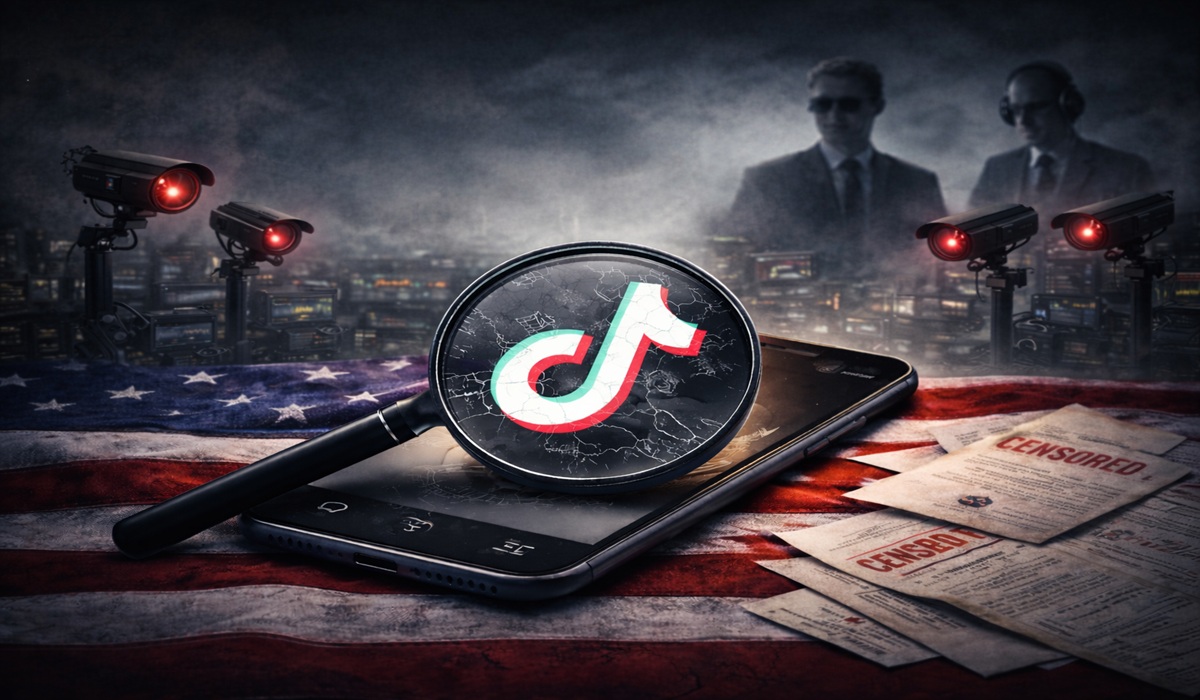
TikTok did not simply change ownership. It changed its meaning, and that shift is what people are reacting to now with such force. For years, the platform felt like one of the last places online where ordinary people could still break through the noise without being pre approved by institutions, without being “safe” enough for legacy media, and without having money, status, or connections. It was chaotic, it was imperfect, and it was often exhausting, but it still felt alive. It still felt like a public square that belonged to the people using it, even if everyone understood the company still owned the keys.
That is why the acquisition hit like something bigger than tech news. Factually, TikTok’s American operations were transferred in a deal estimated around fourteen to fifteen billion dollars, moving into the hands of a Trump aligned business group connected to Ellis. No matter how the internal structures are framed, the public experienced it as a political event. It did not feel like a normal business deal. It felt like a transfer of influence, and it felt like the purchase of the most powerful youth media machine on Earth.
From that moment forward, TikTok stopped being interpreted as neutral entertainment. It became interpreted as political infrastructure. People did not just scroll anymore. People started scanning, listening, and watching for what had changed, and whether the app still belonged to the public or whether it now belonged to power.
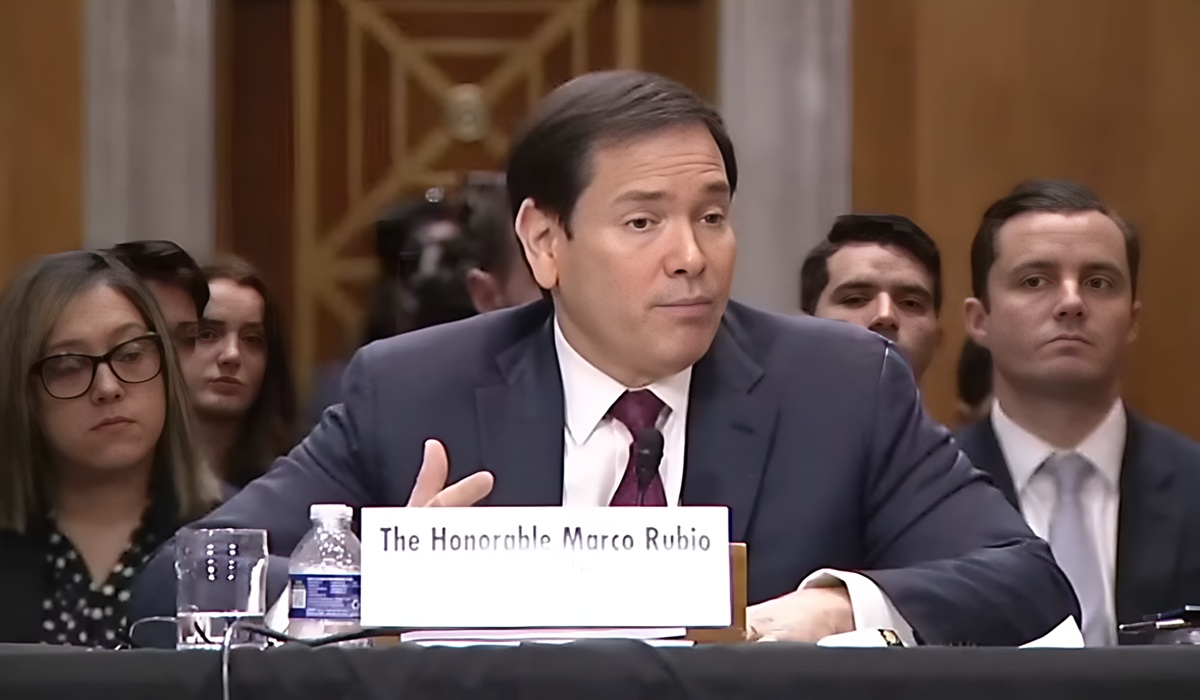
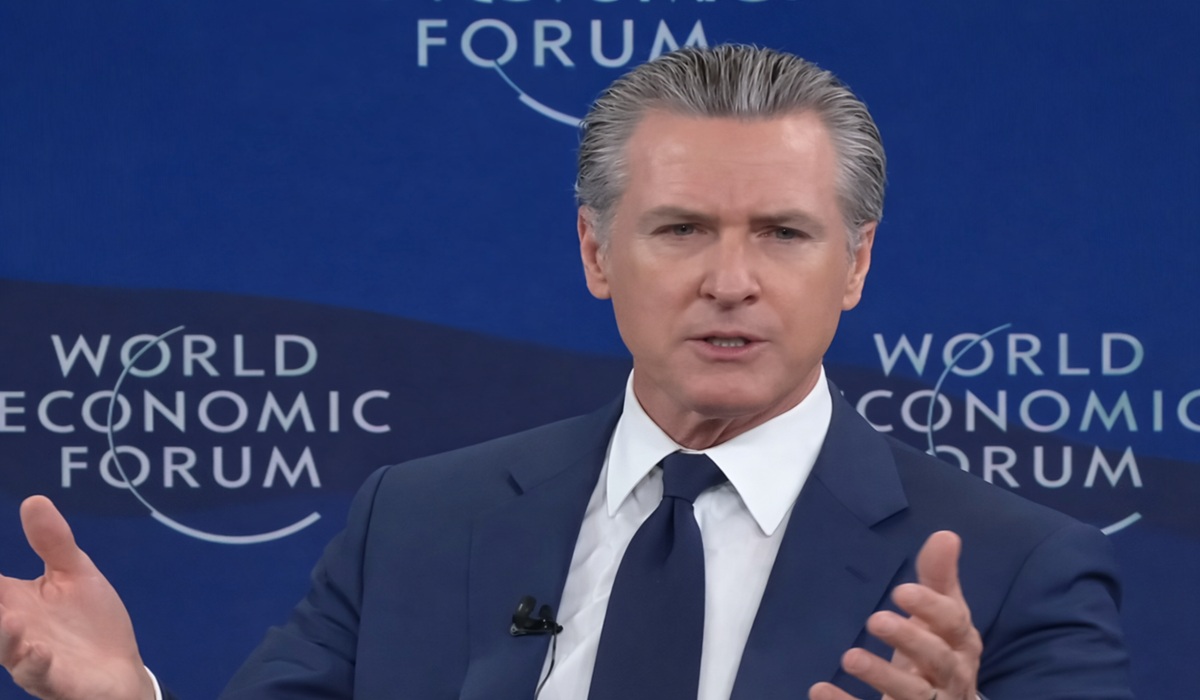
The public debate intensified when California Governor Gavin Newsom said he wants to investigate whether content critical of President Donald Trump is being suppressed. Nobody knows what an investigation like that will mean in real terms, or whether it will result in proof, consequences, or simply headlines. Still, the accusation matters because it reflects a deeper collapse of confidence. Even the possibility that a sitting governor believes the algorithm has shifted is enough to feed public suspicion, because the entire platform is built on one invisible promise. The promise is that what you see is not being carefully designed to serve one politician’s interests.
And this is where we must be extremely clear about the censorship issue involving Israel, Zionism, and political speech. This is not simply coming from angry users making assumptions. The main point being attributed directly to the new TikTok America leadership, including the new CEO, is this. The word “Zionist” used negatively is being treated as hate speech and is not allowed. The word “Zionist” used positively, as an identity label, is allowed.
That one distinction changes the entire argument about what kind of platform TikTok is becoming. It creates a political double standard where criticism can be punished while affirmation is protected, and where one side of a global conflict is given built in shelter while the other side is exposed to enforcement. People can debate the intentions behind this policy, but the practical outcome is what matters. It narrows the boundaries of speech, and it turns political disagreement into something that can be punished as a violation.
There is another part of this that must be stated plainly. The company has reportedly hired more than a dozen Jewish Israeli groups whose specific role is to identify, track, and report content they consider anti Israel. If that is true as described, then this is not ordinary moderation. This is organized political enforcement built into the platform itself. It moves beyond community guidelines, and it becomes a system where speech is not only judged, but actively hunted.
This is the moment where people stop seeing TikTok as a messy public square. They start seeing it as a managed corridor. They start feeling like the walls are closing in, and they start behaving differently.
At the same time, the user experience has been getting worse in ways people can feel. Users have reported blackouts, disruptions, glitches, and an app that does not feel as stable or as smooth as it used to. Those details may sound technical, but they become political when they happen immediately after a political acquisition. People do not interpret instability as a coincidence. They interpret it as a new regime learning how to control the lights, and learning how to pull the plug when it wants to.
That is why the surge toward UpScrolled matters. Americans are not only leaving TikTok quietly. Many are leaving publicly, and they are heading toward an alternative platform launched by a Palestinian founder. The symbolism is impossible to ignore. A platform accused of suppressing Palestinian centered speech is now bleeding users to a competitor created by someone whose community understands what silencing looks like. That is not just competition. That is migration.
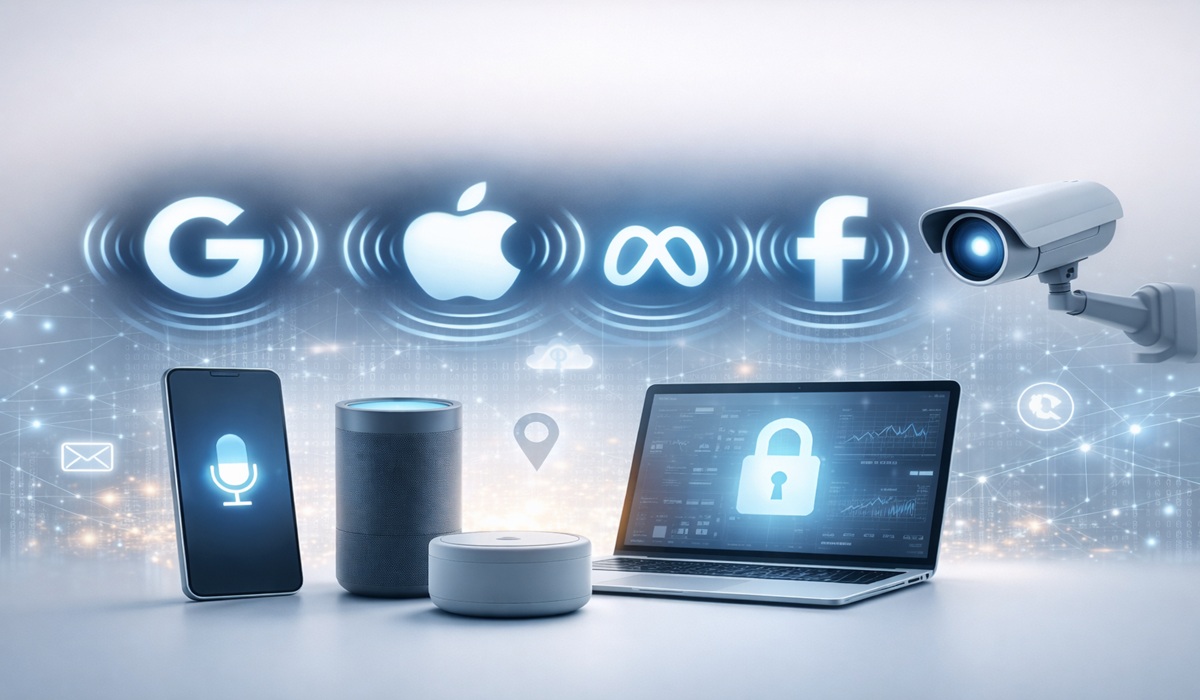
But the deepest fear driving people away is not only censorship. It is surveillance, and it is the way the new terms of use and privacy language have been received. People already understand the harsh reality of modern social media. They know that signing up means you are trading pieces of yourself. You are trading your habits, your preferences, your identity patterns, and your attention. That is the modern bargain, and most people have accepted it reluctantly because they felt they still had something in return. They felt they had a place to speak, create, and participate.
What alarms people now is the sense that TikTok is going beyond the usual bargain and stepping into something far more aggressive. The new privacy direction is being interpreted as an expansion into deeper tracking, deeper profiling, and more sensitive personal data being collected and categorized. People fear their location can be pinpointed with precision. People fear that sensitive information tied to sexuality and identity can be inferred, stored, and used. People fear that political expression is being watched in ways that can follow them beyond the platform.
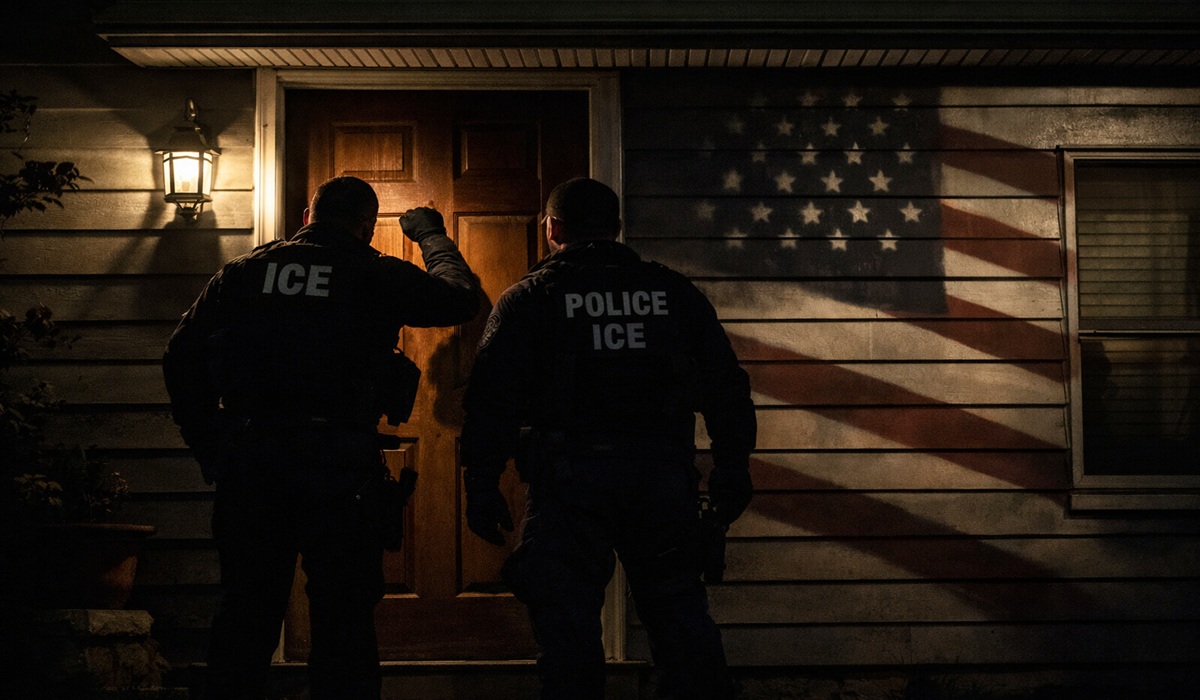
This is where the mood becomes ominous, because Americans should be terrified of the real world consequences that can follow digital speech. It is not a fantasy that members of the U.S. government have visited people over things posted online. It has been reported publicly that government agents have gone to people’s homes over social media activity, sometimes framed politely as a conversation, sometimes framed as a welfare check, and sometimes framed as a warning. The label does not matter, because the effect is the same. It sends a message that speech is not only monitored, but that speech can trigger a knock at your door.
Now imagine the scenario that many people fear is becoming more likely under this new TikTok. Someone posts something that is not hate speech, but a disagreement, a criticism, or a political position that challenges power. That content gets flagged anyway, not because it is violent or hateful, but because enforcement has expanded until disagreement can be treated as a violation. The post is removed. The account is logged. The activity is recorded. The location is known.
Then the line between a platform and a government begins to feel thinner than it should ever be. A department, an agency, a task force, or a team that the public cannot see may decide it wants to have a talk. That word, talk, will be used as if it is harmless. It will be framed as concern. It will be framed as safety. But everyone knows what it really communicates. It communicates that you have been noticed, and that someone is willing to take your digital life and bring it into your physical life.
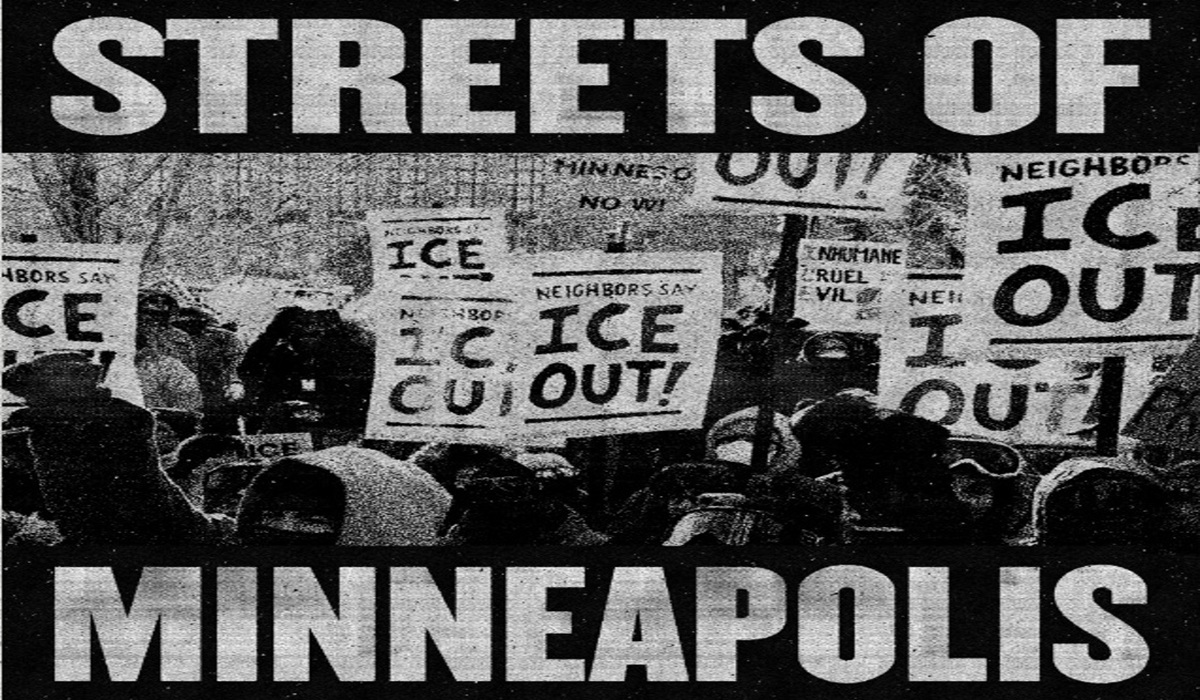
When people watch what is happening with immigration enforcement, and when people watch the expanding power of agencies like ICE, the fear becomes more than theoretical. It becomes a lived warning. It becomes a future you can picture too clearly. It becomes a scenario where the wrong label on your speech, whether fair or not, can create consequences you cannot undo.
That is why the trust is collapsing. People do not want a platform that feels like a surveillance weapon. People do not want a platform that feels like a data net tightened around their identity. People do not want a platform where political speech can be reframed as hate while other political identity language is protected.
And now we have to name the biggest truth in the room, because it is the part that explains why this was worth fourteen to fifteen billion dollars in the first place. This is not only about revenue. This is about media control. This is about consolidation. This is about acquiring one of the most powerful distribution machines in modern history and placing it inside a political ecosystem where messaging is everything.
Ellis is not simply buying a social app. Ellis is building a larger media empire, and TikTok gives him something television never could. It gives him global behavioral influence at scale. It gives him control over what millions of people see, what they believe is popular, what they believe is acceptable, and what they believe is dangerous.
That kind of control matters most during elections, because politics is no longer just speeches and debates. Politics is reach. Politics is momentum. Politics is emotion. Politics is what the public sees repeatedly until it begins to feel like truth. If you can shape the feed, you can shape perception. If you can shape perception, you can shape outcomes. If you can shape outcomes, you can shape the country.
The media is the message. If you control the media, you control minds. If you control minds long enough, you dictate who gets elected, how they get elected, and what kind of future the public is allowed to imagine.
So will Ellis make his money back. Maybe he will, and maybe he will not. Fourteen to fifteen billion dollars is an enormous bet, but the larger cost is cultural. The real cost is legitimacy. TikTok could keep its name and still lose its soul. TikTok could keep its numbers and still lose its credibility. TikTok could remain dominant on paper and still die in spirit.
This is how a platform becomes the next MySpace, not because the technology fails, but because the trust collapses. When people believe they are being watched, they stop speaking. When they believe they are being punished for disagreement, they stop creating. When they believe the feed has been captured, they stop believing in the platform itself.
And once the belief is gone, the audience disappears. They leave like a crowd that smelled smoke, because in a digital age, people do not need permission to walk away. They just walk away.
About The Author