The Silent Collapse of Great Businesses: Why Your Logo Determines Who Thrives and Who Fails
- TDS News
- Business
- Trending News
- February 19, 2026
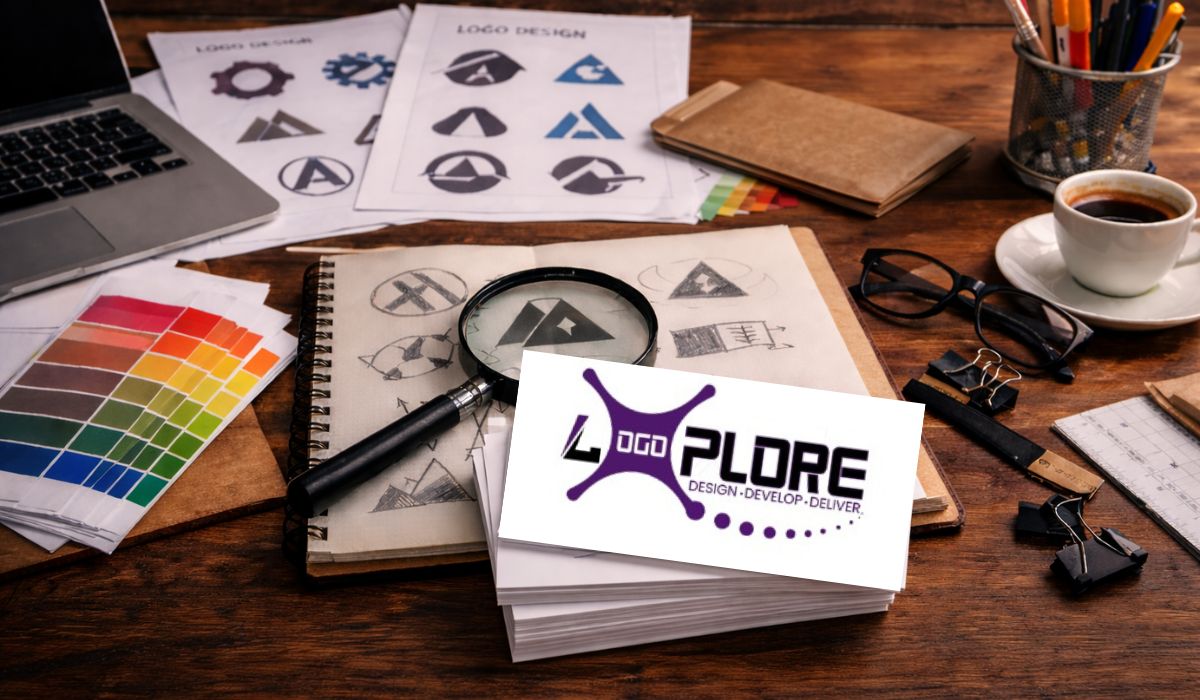
There is a reason some businesses walk into a room and instantly command attention while others struggle to explain who they are. It is rarely luck, and it is almost never accidental. More often than not, the difference begins with something most companies underestimate at the very start: their logo.
A logo is not a graphic. It is not a decorative badge placed in the corner of a website. It is the foundation of how a business is perceived before a single word is spoken. It shapes expectations, signals professionalism, and quietly answers the most important question every customer asks: can I trust this company?
Too many entrepreneurs rush through this decision. They register a name, open a design app, scroll through templates, choose colors they personally like, and move on. They never pause to consider what those colors communicate psychologically. They do not think about how typography signals industry, price point, or personality. They rarely ask how the mark will scale across packaging, digital platforms, signage, and mobile screens. Then months later, they find themselves constantly explaining what they do because their brand never made it clear in the first place.
When a business has to over-explain itself, the branding is not carrying its weight.
As part of our small business feature this week, we spoke with Logo Xplore, a company that has built a reputation serving everyone from early-stage startups to major global corporations. The scale of their client base is impressive, but what stood out more was how often they see the same pattern: talented founders with strong products undermined by weak visual identity.
“Your logo is often the first handshake with your customer,” one of their senior strategists shared. “If that handshake feels uncertain or inconsistent, you are asking people to overcome doubt before they even understand your value.”
That insight reframes the conversation. A logo is not about creativity for creativity’s sake. It is strategic communication compressed into a single, memorable symbol. It should tell potential customers exactly what kind of business they are dealing with and what standard they can expect.
Ninety-five percent of businesses get this wrong because they treat branding as an afterthought rather than infrastructure. They separate design from strategy. They view colors as preferences instead of positioning tools. They underestimate how much a cohesive identity reduces friction in marketing and sales.
In an era where design software and AI tools are widely available, it is tempting to believe that anyone can produce a professional result. Technology has certainly lowered barriers. However, access to tools is not the same as mastery of brand psychology, visual hierarchy, and long-term scalability. AI can generate options, but it cannot replace experience, context, and strategic judgment.
“Technology accelerates creativity,” another member of the Logo Xplore team explained, “but strategy gives it direction. Without direction, even the best tools create noise instead of clarity.”
For small business owners, time is already stretched thin. They manage operations, finances, marketing, and customer relationships simultaneously. Adding brand architecture and visual strategy to that list often leads to rushed decisions. Larger organizations understand the value of delegation because they recognize that certain foundations require focused expertise.
LogoXplore distinguishes itself by treating a logo as part of a larger ecosystem. Their services extend beyond logo creation into website development, marketing assets, e-commerce platforms, illustrations, and mobile applications. That breadth matters because a brand does not live in isolation. It must function consistently across every touchpoint, from social media to storefront signage. Cohesion builds recognition, and recognition builds credibility.
Businesses that invest in thoughtful branding tend to move differently in the market. They appear more established. They communicate more efficiently. They attract the right audience faster because their positioning is visually clear. Strong identity reduces the need for constant clarification and supports premium pricing because customers subconsciously associate polish with reliability.
The cost of getting branding wrong is rarely calculated at the beginning. Reprints, redesigns, website overhauls, and lost recognition often follow. The financial expense is measurable, but the erosion of trust is harder to quantify. Correcting a misaligned brand later almost always costs more than building it properly from the start.
Our experience connecting with Logo Xplore reflected the professionalism they advocate. Their team was responsive, thoughtful, and generous with insight. They approached branding as a collaborative process rather than a transaction, asking questions that many founders had never considered about target audience, long-term vision, and market differentiation.
If you are launching a new venture or sensing that your current branding no longer reflects the level at which you operate, this is a decision worth revisiting. Some aspects of business can be learned through trial and error. Foundational identity is rarely one of them.
You can experiment with marketing tactics. You can refine operational systems over time. Your brand, however, is the lens through which everything else is judged. It deserves intention, strategy, and professional guidance.
If your business matters to you, treat the face of it accordingly. Reach out, ask the hard questions, and explore what a strategically built identity could do for your growth. A conversation costs far less than a rebrand, and clarity at the beginning often determines who thrives and who quietly fades.
About The Author