The Science Behind Clean Cuts: Why Blade Quality Matters
- Casey Cartwright
- Home Improvement
- November 11, 2025
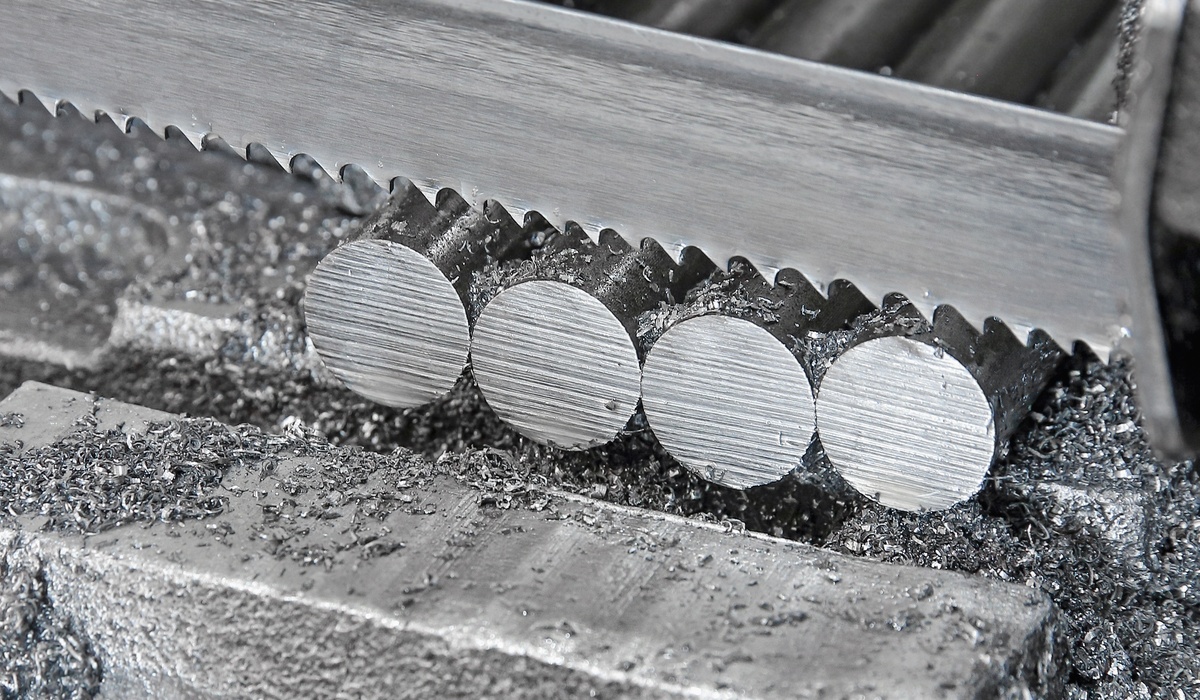
Precision shapes every aspect of manufacturing and fabrication; it’s what separates a job well done from a costly mistake. Whether it’s crafting an aerospace part or an everyday item, the final product’s integrity rides on the quality of each separate piece. Almost always, it all starts with a single crucial step: the cut. Understanding the science behind clean cuts and why blade quality matters is fundamental for anyone seeking efficiency, safety, and professional results. Often, what separates a clean, flawless cut from a messy one is the blade’s material and design.
A quality blade does more than pass through a material; it’s purpose-built to handle specific tasks reliably and accurately. Blades made for metalwork, for example, contain unique metallurgical properties that help them withstand high temperatures and heavy stress without quickly dulling or warping. The blade’s sharpness, edge shape, and strength all play a major role in producing a smooth, clean separation. Using the proper blade reduces strain on each piece being cut, leads to fewer burrs, and avoids small cracks that could weaken the part later on. In contrast, a dull or inferior blade rips and drags instead of making a precise cut, creating waste and extra work down the line.
The details of blade performance go well beyond sharpness. Everything from tooth count, angle, and the spacing between each tooth affects results. Using the wrong blade for the job can cause vibrations, create unwanted heat, and leave a rough edge. For those working with different metals, selecting a blade with the right tooth pitch is key. It helps clear chips, keeps the cutting motion steady, and improves efficiency. When the tool fits the material, every cut comes out cleaner and the equipment lasts longer, saving both time and cost.
Choosing a better blade pays off far beyond the cut itself. It reduces waste, cuts down on finishing work, and makes the operator’s job safer by delivering consistent, stable performance. A sharp, well-crafted blade takes less effort to use, putting less stress on the machinery and operator, and lowering the risk of dangerous breakdowns. In fields where high standards are the norm and there’s little room for error, recognizing the science behind clean cuts and why blade quality truly matters gives you a competitive edge. Excellence always starts with the right tools, and a top-notch blade is often where excellence begins.
About The Author