The Quiet Collapse: Inside the Global Housing Crisis Reshaping Cities
- Ingrid Jones
- Canada
- April 1, 2026
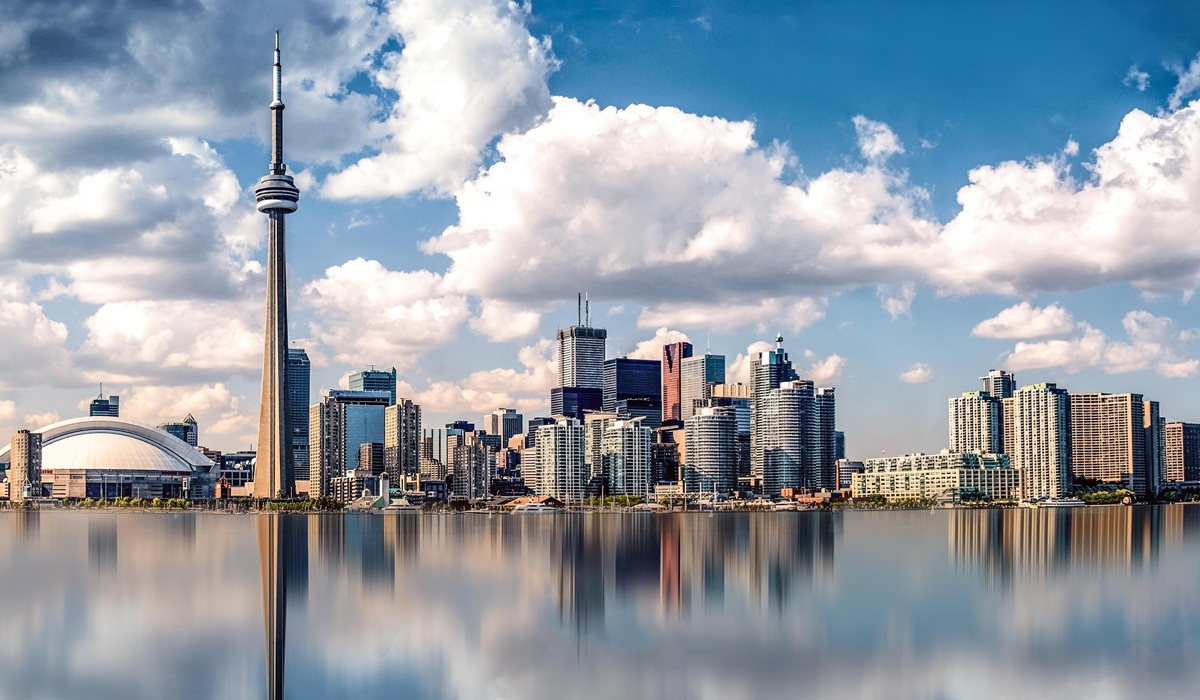
Image Credit, Gerald Friedrich
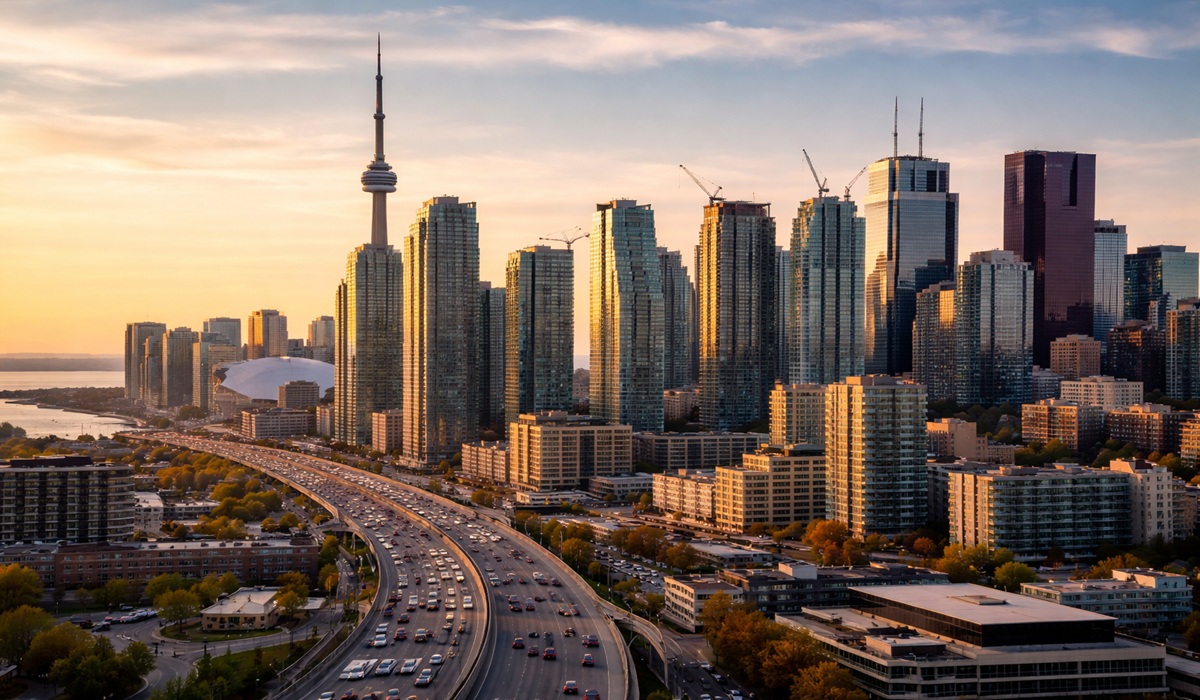
There is no single moment when a housing crisis announces itself. It does not arrive with sirens or breaking news banners. Instead, it creeps in quietly, disguised as rising rent here, a stalled construction project there, a young couple deciding to wait one more year before buying a home. Across major cities from Toronto to London to Sydney, that quiet creep has turned into something far more profound: a structural shift in how people live, work, and imagine their futures.
What makes this crisis uniquely unsettling is that it is not confined to one region or one economic system. It is not just a North American problem, nor is it purely the result of speculative markets. In cities that pride themselves on stability and careful planning, the same story repeats itself. Wages have not kept pace with housing costs, supply has not matched demand, and governments have struggled to reconcile competing priorities between development, affordability, and community resistance.
For many, the dream of homeownership has slipped out of reach entirely. Young professionals, even those with stable incomes, find themselves priced out of neighborhoods they grew up in. Renting, once considered a temporary phase, has become a long-term reality. Yet even renting is no longer predictable. Prices fluctuate rapidly, leases shorten, and tenants face increasing insecurity.
The ripple effects are visible everywhere. Families are delaying having children, citing financial instability. Workers are commuting longer distances, often sacrificing hours of their day just to remain employed in urban centers. Small businesses, once the backbone of vibrant communities, are closing as commercial rents rise alongside residential ones. The very character of cities is being reshaped, often in ways that prioritize investment over livability.
Governments have responded with a mix of urgency and hesitation. Some have introduced rent controls, others have accelerated approvals for new developments, and many have pledged ambitious construction targets. Yet the scale of the problem often outpaces these measures. Building more housing sounds straightforward, but zoning restrictions, labor shortages, and material costs complicate even the most well-intentioned plans.
There is also a growing recognition that housing is no longer just a local issue. Global capital flows have transformed real estate into an asset class, drawing investment from across borders. Properties are bought and sold not just as homes, but as financial instruments. This dynamic has injected liquidity into markets, but it has also contributed to price inflation that local residents cannot match.
At the same time, there is a cultural shift underway. The idea of stability tied to ownership is being questioned. Some are embracing alternative living arrangements, from co-housing communities to long-term rentals with enhanced protections. Others are leaving major cities altogether, seeking affordability in smaller towns or rural areas. Remote work has accelerated this trend, offering flexibility that was previously unimaginable.
Yet even these alternatives come with challenges. Smaller communities are experiencing their own versions of the housing crunch as demand spreads outward. Infrastructure struggles to keep up, and long-time residents face displacement as newcomers arrive with higher purchasing power. What was once a localized urban issue has become a national, even global, concern.
The housing crisis is not just about buildings or prices. It is about the social contract. It raises fundamental questions about fairness, opportunity, and the role of government in ensuring that basic needs are met. When housing becomes unaffordable for large segments of the population, it erodes trust in institutions and fuels a sense of instability that extends far beyond the market itself.
There are no easy solutions, and perhaps that is what makes this moment so significant. The choices made now will shape cities for decades to come. Whether through policy reform, innovation, or a rethinking of priorities, the path forward will require more than incremental change. It will demand a willingness to confront uncomfortable truths about how housing has been treated and who it has ultimately served.
For now, the quiet collapse continues, not as a sudden failure, but as a gradual unraveling. And in that slow transformation lies both the danger and the possibility of something different emerging in its place.
About The Author