The Petrodollar System and What It Means for the U.S. Dollar Right Now
- Naomi Dela Cruz
- Trending News
- March 3, 2026
By: Donovan Martin Sr, Editor in Chief
To understand what’s at stake in the Middle East war right now, you have to go back to the end of World War II. In 1944, representatives from 44 Allied nations met in Bretton Woods, New Hampshire, and designed a new global monetary system. Under that agreement, currencies would be pegged to the U.S. dollar, and the U.S. dollar would be convertible into gold at $35 an ounce. This made the dollar the anchor of the international financial system. As long as the United States could exchange dollars for gold on demand, global confidence held.
That system began to crack in the late 1960s as U.S. spending on the Vietnam War and domestic programs surged. Foreign governments accumulated large dollar reserves and began redeeming them for gold. U.S. gold reserves shrank rapidly. In August 1971, President Richard Nixon suspended dollar convertibility into gold. The Bretton Woods system effectively collapsed. The dollar was no longer backed by gold; it was backed by trust in the American economy and government.
That left Washington with a problem. Without gold backing, the dollar needed another foundation to preserve global demand. Oil became that foundation.
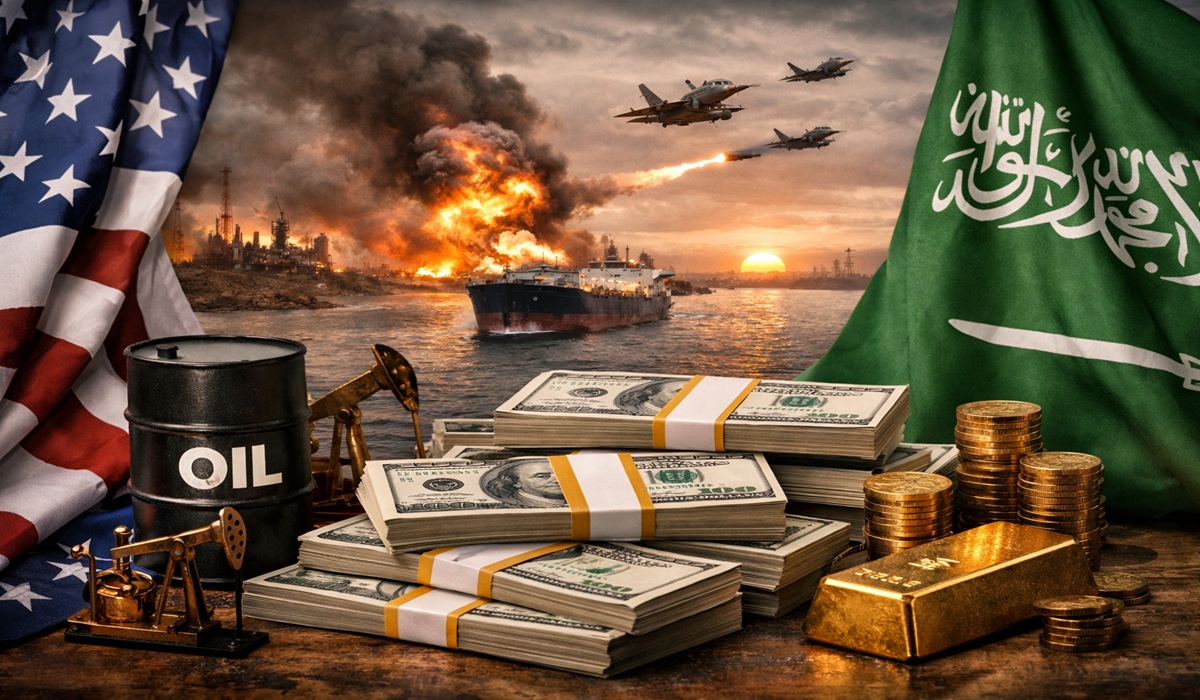
In 1974, the United States and Saudi Arabia formalized a strategic arrangement. The U.S. would provide security guarantees and military support. In return, Saudi oil would be priced exclusively in U.S. dollars, and surplus oil revenues would be invested back into U.S. financial markets, particularly Treasury bonds. Other OPEC producers followed. That arrangement became what we now call the petrodollar system.
It was never a single contract with an expiration date stamped on it. There wasn’t a document that said “renew in 50 years or it disappears.” It was a framework built on security cooperation, oil pricing norms, and financial recycling. However, the original 1974 U.S.–Saudi Joint Commission on Economic Cooperation laid the institutional groundwork. In 2024, reports indicated Saudi Arabia allowed elements of its longstanding security framework with Washington to lapse without renewing them in the same form. That didn’t instantly dismantle the structure, but it signaled that alignment was no longer automatic.
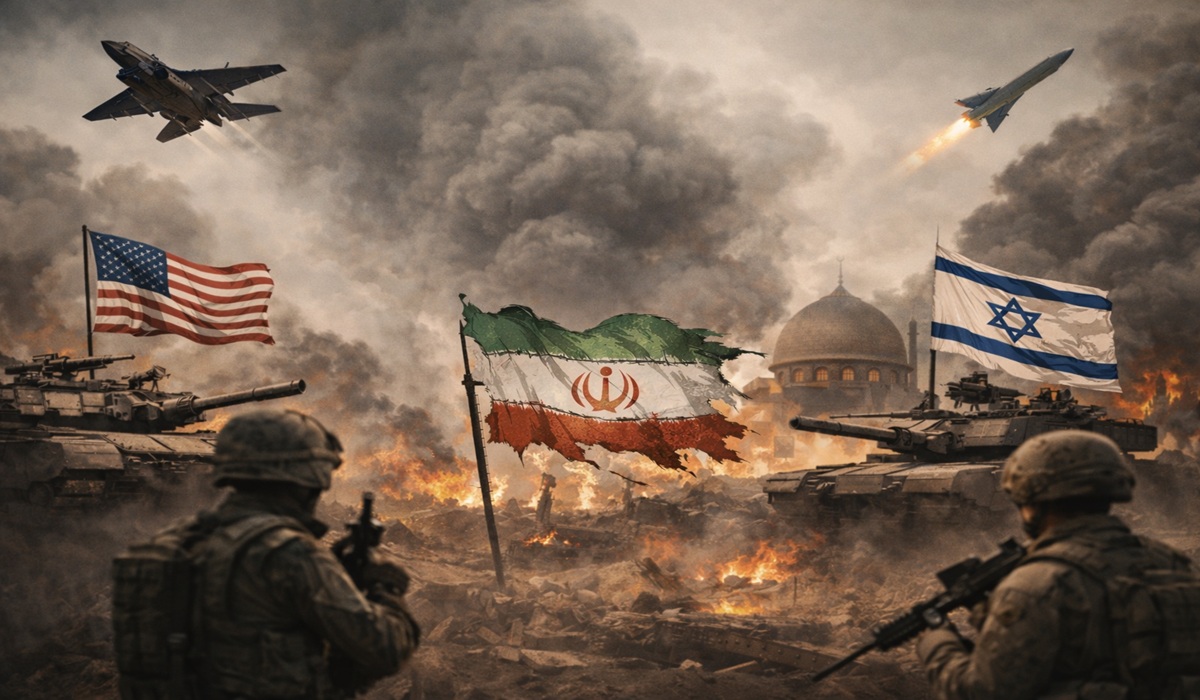
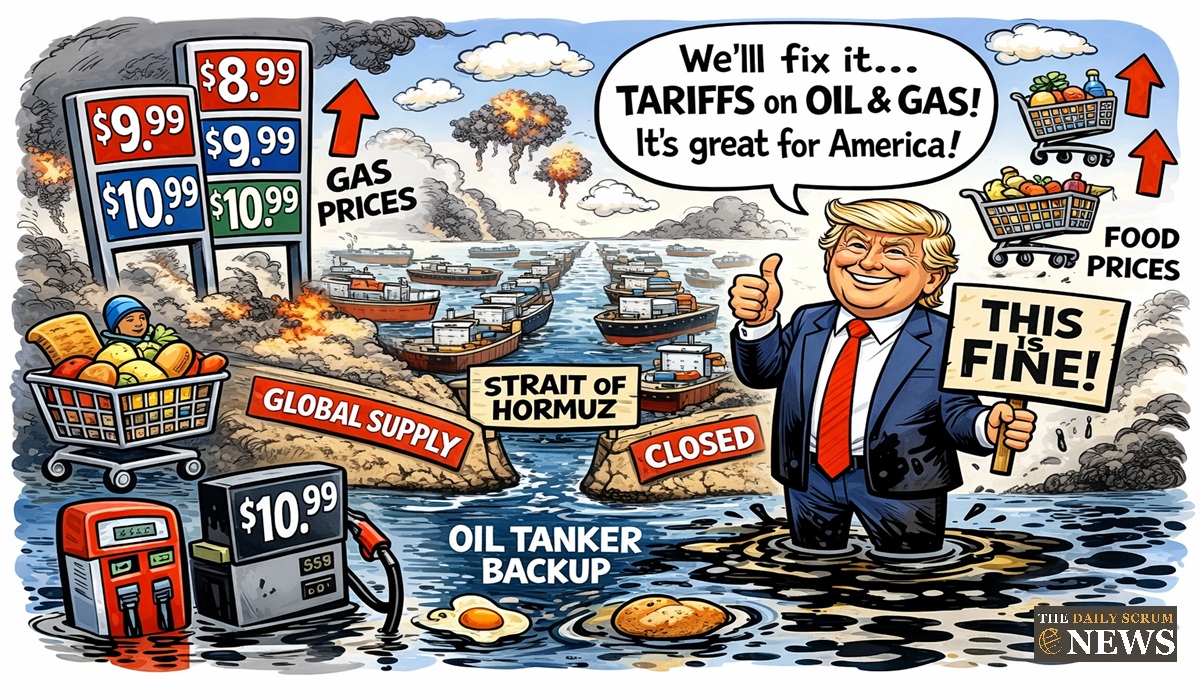
Now fast forward to today. The Strait of Hormuz is closed. Oil markets are unstable. Energy prices are climbing. When nearly 20 percent of the world’s traded oil is disrupted, everything from fuel to freight to food costs feels it. In the short term, crisis can actually increase demand for U.S. dollars because countries scrambling to buy higher-priced oil still need dollars to settle contracts.
The longer-term issue is structural. Over the past several years, Saudi Arabia has discussed accepting payment in Chinese yuan for oil sold to China. Russia has shifted significant energy trade into rubles and yuan following Western sanctions. Iran already avoids dollar channels wherever possible. When oil is settled in local currencies instead of dollars, global demand for dollar reserves weakens incrementally.
For decades, oil exporters accumulated large dollar surpluses and recycled those funds into U.S. Treasuries. That steady recycling helped finance American deficits and supported relatively lower borrowing costs. If exporters increasingly diversify away from the dollar, fewer of those energy revenues automatically flow back into U.S. debt markets. Over time, that can translate into higher interest rates and tighter fiscal flexibility for Washington.
None of this shifts overnight. The dollar remains dominant for reasons that extend beyond energy. The U.S. Treasury market is the deepest and most liquid in the world. Most global trade finance is still denominated in dollars. A majority of central bank reserves are held in dollars. The infrastructure of global finance — clearing systems, derivatives markets, cross-border lending — remains heavily tied to the American system.
But war changes incentives. When Gulf stability is shaken, when shipping lanes are threatened, and when security guarantees appear uncertain, countries reassess exposure. Diversifying currency risk becomes a hedge against geopolitical unpredictability. If more oil trade gradually moves into local currencies for strategic reasons, that chips away at the network effects that have supported dollar dominance since the 1970s.
The system born after Bretton Woods collapsed was built on stability, security guarantees, and trust. The current conflict strains all three. That does not mean the dollar collapses. It means its dominance could become less automatic if strategic realignments accelerate.
The real question is whether confidence in American institutions, markets, and long-term stability remains strong enough to prevent structural erosion. The framework that replaced gold has endured for half a century because it aligned economic and security interests. In a time of war and energy disruption, that alignment is being tested in real time.
About The Author